Airlines Optimistic for Fast Recovery Post-Thanksgiving as US Shutdown Ends
Impact of Flight Cuts on US Air Travel
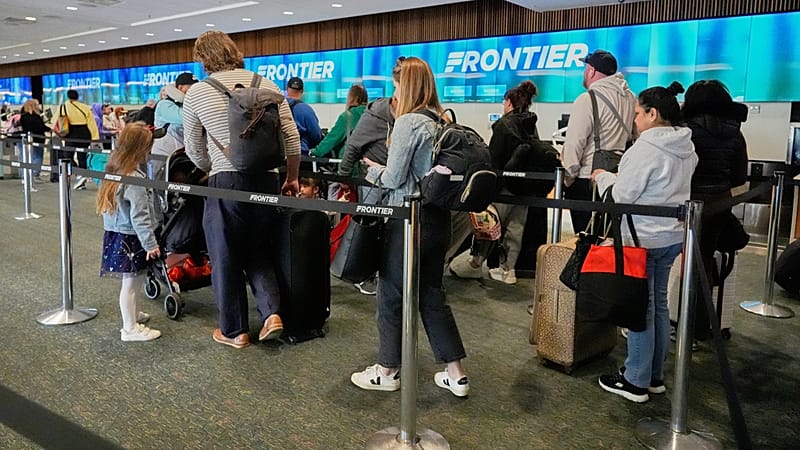
Airlines have cancelled over 10,000 flights across the United States since the Federal Aviation Administration (FAA) issued a directive to reduce flights last week. This decision was made to alleviate the pressure on control towers that were experiencing staffing shortages during the federal government shutdown. While airlines remain hopeful that they can return to normal operations within a few days after the government lifts its flight reduction order at 40 major airports, the timeline for this remains uncertain.
The disruptions caused by the flight cuts, along with cancellations and economic losses, are not expected to vanish immediately. The air travel network continues to face challenges as it adjusts to the changes.
Flight Cuts Limited to 6 Percent
On Wednesday night, the FAA announced that airlines will not be required to cut more than 6 percent of flights at affected airports. This decision came after significant improvements in air traffic controller staffing over the past few days. Initially, the order that took effect last Friday called for an increase in flight cuts to 8 percent on Thursday and up to 10 percent on Friday.
During the government shutdown, many air traffic controllers missed work due to unpaid leave, leading to a spike in understaffing at airport towers and regional control centers. This shortage raised safety concerns, prompting the flight cut order. Even a small number of absences in certain locations created significant problems due to the existing shortage of several thousand air traffic controllers.
Continued Uncertainty and Delays
Despite the end of the federal shutdown, officials from the FAA and the Transportation Department have not provided updates on when they might lift the flight reduction order. Transportation Secretary Sean Duffy has stated that the decision will depend on safety data monitored closely by FAA experts.
According to Airlines for America, an industry trade group, approximately 5.2 million passengers have been affected by delays or cancellations since the government shutdown began on October 1.
Airlines Ready to Resume Normal Operations
Airlines have expressed their eagerness to return to normal operations once the FAA lifts the order. They anticipate resuming regular schedules within three to four days after the directive is lifted. By late Thursday afternoon, only slightly over 1,000 flights had been cancelled nationwide. Aviation analytics firm Cirium reported that nearly 95 percent of all flights on Thursday were on time.
“We are eager to resume normal operations over the next few days once the FAA gives clearance,” said the Airlines for America trade group. “We look forward to welcoming 31 million passengers—a new record—to our flights during the upcoming Thanksgiving travel period, beginning next Friday.”
Challenges in Recovery
However, some experts suggest that the effects of the flight cuts may persist longer than anticipated, potentially impacting Thanksgiving travel. It is challenging to predict whether airlines will recover as quickly as they do after major snowstorms that disrupt operations and leave planes and crews out of position.
The flight restrictions have significantly disrupted airline operations in a short period. Many planes have been rerouted and are not where they should be. Eric Chaffee, a professor at Case Western Reserve who studies risk management, warned that the disruptions could last weeks as airlines face complex operational hurdles and winter weather complicates recovery before Thanksgiving.
“It’s similar to if you start pulling threads out of a tapestry,” Chaffee said. “What you may find is that lots unravels in addition to what you are trying to remove.”
Passenger Response and Ticket Sales
Travellers seem to be taking note of these developments. The pace of airline ticket sales for Thanksgiving travel has slowed as holidaymakers reconsider their plans. Despite this, aviation analytics firm Cirium noted that ticket sales during the busy late November season are still expected to be higher than last year, though only slightly.
