Reeves' 'Sums of Anarchy' in 'Most Chaotic Budget Ever' Could Cost You £800 More
The Unexpected Shift in Tax Policy
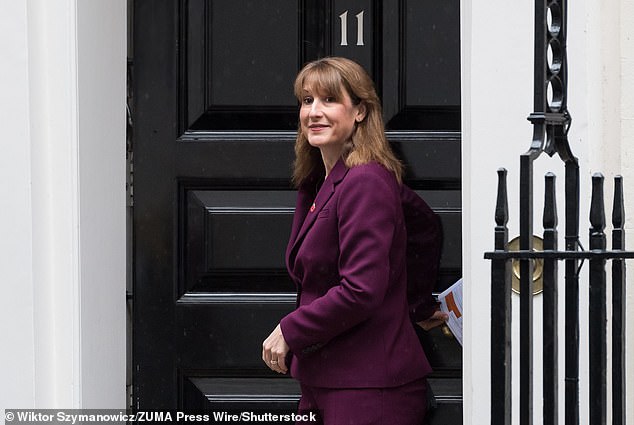
Workers across the UK have been warned that they may still face significant increases in the amount of money they pay to the government, despite a dramatic shift in policy by Chancellor Rachel Reeves. Initially, there were strong indications that income tax rates would be raised for the first time in 50 years. However, this plan was abruptly abandoned, causing confusion and concern among both the public and financial markets.
The Treasury clarified that the main rate of income tax will not be increased on November 26, despite weeks of speculation about a potential rise. This decision came after a growing rebellion within the Labour Party against breaking their election manifesto. The unexpected change led to market instability, with investors increasing the risk premium on UK debt.
Government sources explained that the decision was based on more optimistic forecasts from the Office for Budget Responsibility (OBR), which showed stronger wage revenues. However, this still leaves a fiscal gap of up to £40 billion that needs to be addressed. Ms. Reeves has committed to rebuilding "headroom" that has been eroded by policy reversals, such as changes to winter fuel and benefits cuts.
Possible Tax Adjustments
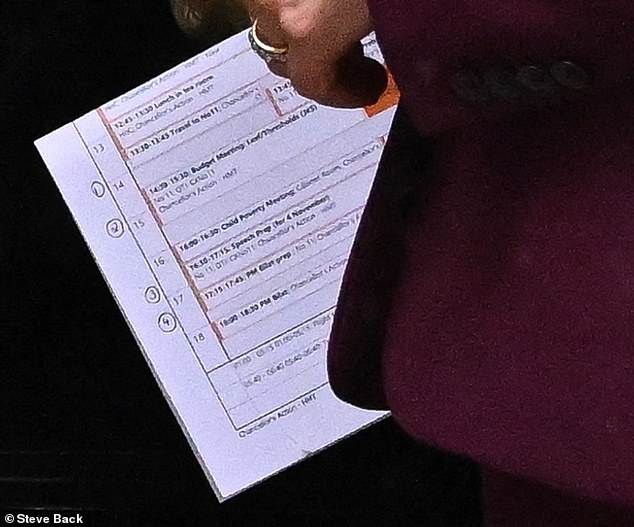
The Financial Times reported that Ms. Reeves is considering reducing tax thresholds to bring more people into the tax system. This move could represent an expansion of the controversial "stealth raid" that has been in place for years. While the Treasury has not confirmed these plans, officials have acknowledged that she will need to use "big levers" to raise funds, with final decisions still pending.
Julian Jessop of the Institute of Economic Affairs (IEA) suggested that significant reductions in tax thresholds would be needed to generate the same amount of revenue as a 1p increase in the basic rate of tax, which would raise £8 billion. For instance, the higher rate threshold could fall from £50,270 to around £46,000, while the top rate threshold might drop from £125,000 to £100,000. According to estimates by the Mail, someone earning £50,000 could end up paying an additional £750 in taxes annually.
Internal Turmoil and Market Reactions
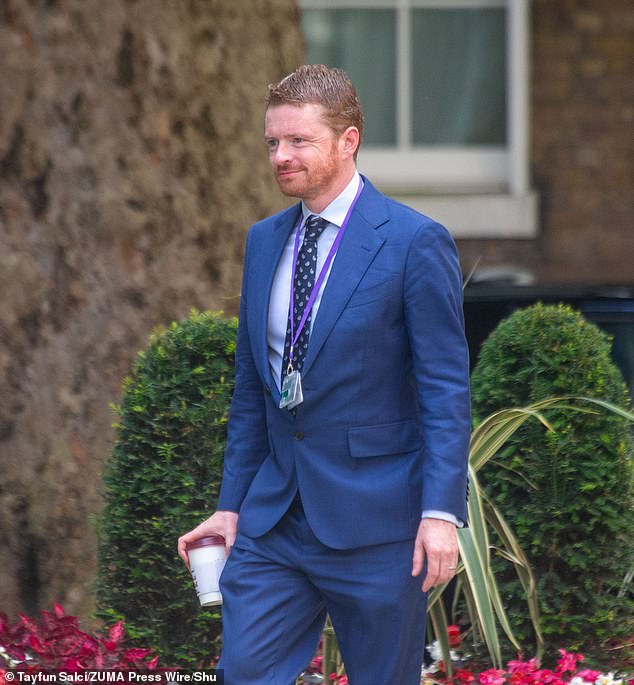
Labour insiders are frustrated with the chaotic briefing process ahead of the critical budget announcement. Blame has been directed at Treasury minister Torsten Bell and No10 chief of staff Morgan McSweeney. The pound has suffered following the latest U-turn, with interest rates on gilts spiking briefly before easing slightly after the Treasury issued a statement emphasizing the Chancellor's commitment to stabilizing public finances.
Analysts warn that the UK could be facing a "credibility shock" due to the infighting and contradictory statements. Even Labour's favored think-tank, the Resolution Foundation, described the situation as "not normal." The shift in Ms. Reeves' approach appears to coincide with concerns in Downing Street over the threat to Sir Keir Starmer.
Mixed Signals and Investor Concerns
Ms. Reeves previously delivered a pre-Budget speech warning that "everyone" would have to "contribute" to stabilizing the government's finances. She also stated that cutting capital spending would be the only way to abide by the manifesto promises. This was widely interpreted as a sign of broad-based tax increases.
Nigel Green, CEO of deVere Group, warned that "mixed signals" are unsettling the markets. He noted that bond traders are signaling that they will not tolerate indecision disguised as strategy. "The reaction is unmistakable," he said. "Bond traders are telling the Treasury that they will not tolerate mixed signals."
Even the Resolution Foundation, often aligned with Labour ministers, warned that the briefing risks damaging the country. Chief executive Ruth Curtice emphasized that while economic forecasts and policies can change, it is unusual for so much to be made public. She called for a serious review of how market-sensitive forecast information is handled.
Political Tensions and Public Perception
Labour insiders are concerned about the turbulent process within the Treasury. One official remarked ironically that this is the one where the idea of a Budget Board was introduced, with Torsten Bell in charge to make the process more orderly and consultative. The Office for Budget Responsibility was reportedly informed of Ms. Reeves' change of heart on Wednesday, though some insiders suggest it happened earlier.
This occurred on the same day that Sir Keir faced criticism during Prime Minister's Questions over a No10 pre-emptive strike against Cabinet ministers challenging his leadership. Mr. Streeting, the main target, publicly demanded the sacking of aides responsible for briefings and accused Downing Street of "self-destruction."
Sir Keir has refused to fire his chief of staff, Morgan McSweeney, insisting that the specific briefing against Mr. Streeting did not come from No10 aides. However, the incident highlighted the weakness of his position following a significant drop in poll numbers.
Future Outlook
Mr. Streeting welcomed the U-turn, stating that he is not in favor of breaking manifesto pledges. He emphasized the importance of rebuilding trust in politics and the economy. However, he also acknowledged the challenges Ms. Reeves faces, noting that the public finances are under real pressure.
Despite the uncertainty, the Chancellor is expected to take a "smorgasbord" approach, making small adjustments to the tax code to raise more money from workers and the better-off. Potential measures include a new gambling levy, higher taxes on expensive properties, and per-mile charges for electric vehicles.
