Barclays Lets Buyers Borrow Up to Six Times Their Income
Barclays Allows Home Buyers to Borrow Six Times Their Salary
Barclays has recently updated its lending policies, allowing home buyers to borrow up to six times their salary on a mortgage. This change marks the latest in a series of adjustments by banks to make it easier for potential homeowners to access larger loans.
For many borrowers, this development could be a game-changer, enabling them to purchase homes in more desirable locations or with additional features such as extra bedrooms. However, financial experts are cautioning against overextending, especially given the current economic climate.
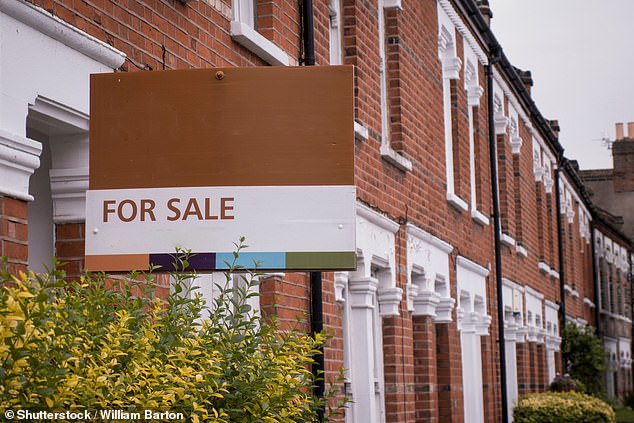
The bank has increased its maximum loan-to-income ratio from 5.5 times household income to six. To qualify for this higher limit, borrowers must meet several conditions. These include having a combined joint income of at least £75,000, a maximum loan-to-value ratio of 85%, and opting for a repayment mortgage.
This move by Barclays follows similar actions by other lenders who have also raised borrowing limits in recent months. The changes come after regulatory adjustments that previously restricted banks' lending capabilities.
Despite these developments, property prices remain high, averaging around £273,000 according to the Office for National Statistics. This makes saving for a substantial deposit increasingly challenging for many aspiring homeowners.
Shaun Sturgess of Sturgess Mortgage Solutions expressed cautious optimism about the new policy. He noted that while it may seem beneficial for struggling borrowers, it is important not to stretch budgets further during a time of heightened costs and economic uncertainty.
Sturgess warned that mortgages that appear affordable initially can become unmanageable if circumstances change. He emphasized the importance of sustainable lending practices that protect households from financial instability.
Inflation remains a significant concern, with the rate staying at 3.8% last month. High mortgage rates further complicate the situation, making it essential for borrowers to carefully consider the long-term implications of increasing their debt.
Patricia McGirr of Reposession Rescue Network echoed these concerns, stating that stretching borrowers further in a fragile economic environment risks creating vulnerability rather than security. She stressed the need for prudence in lending practices to ensure long-term stability for households.
Dariusz Karpowicz of Albion Financial Advice recommended that monthly mortgage payments should not exceed 30% of a borrower's take-home pay. He highlighted the importance of considering additional expenses such as council tax, utilities, insurance, and maintenance when planning for homeownership.
Aaron Strutt of Trinity Financial believes the change is positive for borrowers. He suggested that banks are responding to customer needs by offering larger mortgages, particularly for higher earners looking to buy their next home.
Strutt also predicted that other lenders may follow Barclays' lead as competition among financial institutions intensifies. He argued that allowing buyers to borrow more could help revive the currently stagnant property market.
However, Sturgess cautioned that while the higher loan-to-income ratio might stimulate short-term activity, it could also contribute to price inflation and increase financial vulnerability for buyers in the long run.
The property market is currently experiencing a period of stagnation, with both buyers and sellers waiting for clarity on the upcoming Autumn Budget. Rumors about potential changes to property taxes, including stamp duty and council tax, are prompting many to delay their decisions.
Despite these uncertainties, the ability to borrow more could encourage some buyers to re-enter the market. Emma Jones of When The Bank Says No advised that while lenders are working to stimulate activity, borrowers should always seek professional advice before making significant financial commitments.
