Eurozone surplus surges on US trade boost
Eurozone Trade Surplus Sees Sharp Rise in September 2025
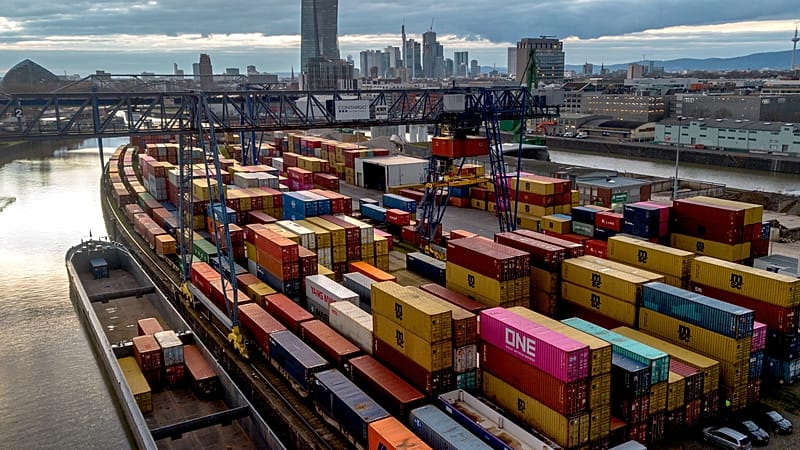
The eurozone experienced a significant increase in its trade surplus for goods in September 2025. This surge was primarily driven by a rise in exports to the United States following the implementation of a new transatlantic trade agreement, which helped ease tensions that had been caused by months of tariff-related disruptions.
According to data released by Eurostat on Friday, the euro area recorded a trade surplus of €19.4 billion in September. This is a marked improvement from the €1.9 billion surplus in August and significantly higher than the €12.9 billion recorded in September 2024. The rebound was mainly attributed to stronger shipments to the US and a surge in the chemicals sector.
EU-US Trade Deal Boosts Exports
Exports from the euro area to the rest of the world increased to €256.6 billion in September, representing a 7.7% year-on-year growth. Imports also rose, reaching €237.1 billion, up 5.3% compared to the same month in the previous year.
This overall surplus highlights the positive momentum in trade, especially with the United States, as the effects of the new US-EU trade agreement began to take shape.
The deal, which was reached last summer between European Commission President Ursula von der Leyen and US President Donald Trump, established a single, all-inclusive 15% tariff across most sectors, including cars, semiconductors, pharmaceuticals, and lumber.
Strong Growth in EU Exports to the US
EU exports to the US rose to €53.1 billion in September, marking a 15.4% increase year-on-year. This made the US the bloc’s fastest-growing export destination. Imports from the US also strengthened, climbing to €30.9 billion, up 12.5% from the previous year.
Overall, the EU’s trade balance with the US improved to €22.2 billion, compared to €18.5 billion in September 2024.
While exports to the US grew strongly, trade with China continued to weaken. Exports to China fell by 2.5% year-on-year in September to €16.7 billion, reflecting subdued Chinese demand.
Diverse Performance in Other Markets
Exports to Türkiye slipped by 1.5%, while exports to South Korea rose by 6.6%, to Japan by 3.5%, to India by 7.7%, and to Mexico by 11.1%. On the import side, shipments from Norway surged by 13.8%, likely due to energy and raw material flows.
Chemical Products Drive Europe's Surplus
For the broader European Union, the trade balance also showed a substantial improvement. The EU recorded a surplus of €16.3 billion in September, reversing a €4.5 billion deficit in August.
This shift was again largely driven by the chemicals sector, whose surplus rose to €26.9 billion, up from €15.4 billion the previous month. Compared with September 2024, the EU’s overall trade balance improved by €6.8 billion.
However, the surplus for machinery and vehicles narrowed from €16.4 billion to €13.8 billion.
Despite the strong September figures, year-to-date performance remains below 2024 levels, reflecting the drag from earlier US tariff policies.
From January to September 2025, the euro area recorded a surplus of €128.7 billion, down from €134.3 billion in the same period last year. Similarly, the EU's year-to-date surplus stood at €104.3 billion, compared with €113 billion in the first nine months of 2024.
What's Next?
Despite the boost to trade flows and investor sentiment, the EU-US trade agreement signed in August may soon face its first major test.
According to Bank of America economist Ruben Segura-Cayuela, the deal was from the outset “a bad and unstable one,” hampered by unresolved issues and a lack of clarity around key commitments. Four months later, much of that ambiguity remains.
Crucial elements — such as the EU's promised tariff cuts on industrial goods — have yet to be finalised or approved. Contradictions also persist over the extent of regulatory alignment, particularly in sensitive sectors such as energy, defence, and investment.
Next week, the Commission is expected to present a new implementation plan to Washington aimed at clarifying these commitments. However, the move underscores the institutional challenges Brussels faces in coordinating trade actions across member states, and its limited authority in enforcing follow-through at the national level.
With political pressure building and the US administration watching closely, the upcoming meeting will serve as a key litmus test. Any signs of delay or backtracking from the EU could prompt a sharp reaction from Washington — potentially reviving the very trade tensions the summer agreement sought to defuse.
