Delta Apologizes for Humiliating Marine Vet with Prosthetics in Exit Row Incident
A Marine Veteran's Struggle with Delta Air Lines
Delta Air Lines has faced significant backlash after a Marine veteran and police officer, Matias Ferreira, was allegedly humiliated for being forced to move out of an exit row seat on a flight. Ferreira, who lost both his legs in 2011 while deployed in Afghanistan, claims he was removed from his seat due to his prosthetics, despite having previously sat in the exit row.
Ferreira, 36, is a dedicated member of the Suffolk County Police Department, where he has served for the past 10 years. His experience in the military and as a law enforcement officer has shaped his perspective on service and responsibility. However, during a flight out of New York's John F. Kennedy International Airport in May, he found himself in an uncomfortable situation that led to legal action.
In his lawsuit, Ferreira alleges that he had informed the staff of his job credentials and previous experience sitting in the exit row. Despite this, he was instructed to move to another seat due to his prosthetics. This incident left him feeling devalued and stripped of his accomplishments as a double amputee.
Delta Airlines responded by issuing an apology to Ferreira and taking "corrective actions." A spokesperson for the company stated that they looked into the situation, apologized to the customer, issued a refund and compensation, and took internal corrective measures. The company also highlighted its long-standing commitment to accessible travel for all, emphasizing its Advisory Board on Disability and Accessible Travel.
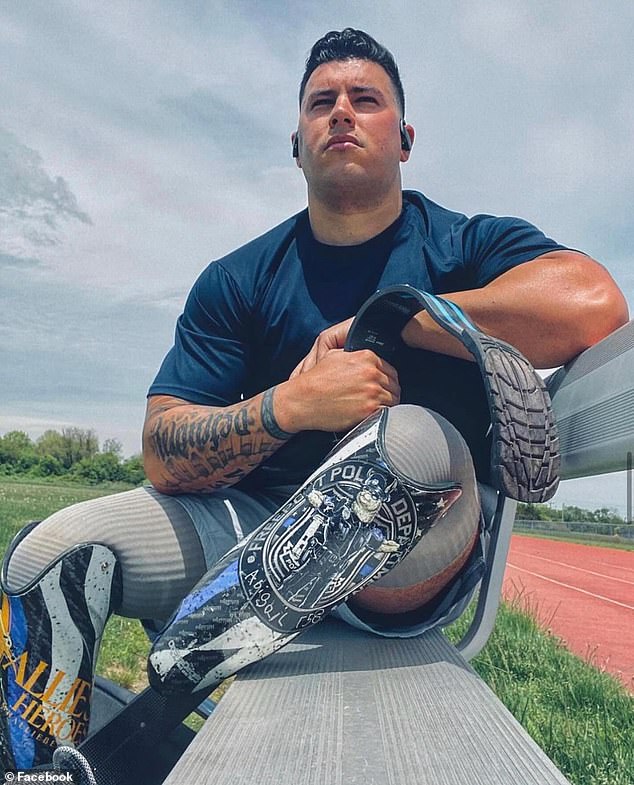

Ferreira addressed the apology in a Facebook post, noting that Delta sent a "Generic" letter that did not include a signature. He emphasized that passengers using prosthetics are not prohibited from sitting in an exit row. Ferreira filed the lawsuit to raise awareness about prosthetics and to show that every person who can sit in a seat should be allowed to do so.
He expressed understanding that the decision may stem from a lack of awareness about prosthetics and engineering over the years. Many people still believe that individuals with prosthetics cannot compete or live like those with both arms and legs. Ferreira aims to spread love and positivity in the community, particularly for veterans who struggle with public speaking due to anxiety, depression, and fear of not being accepted.
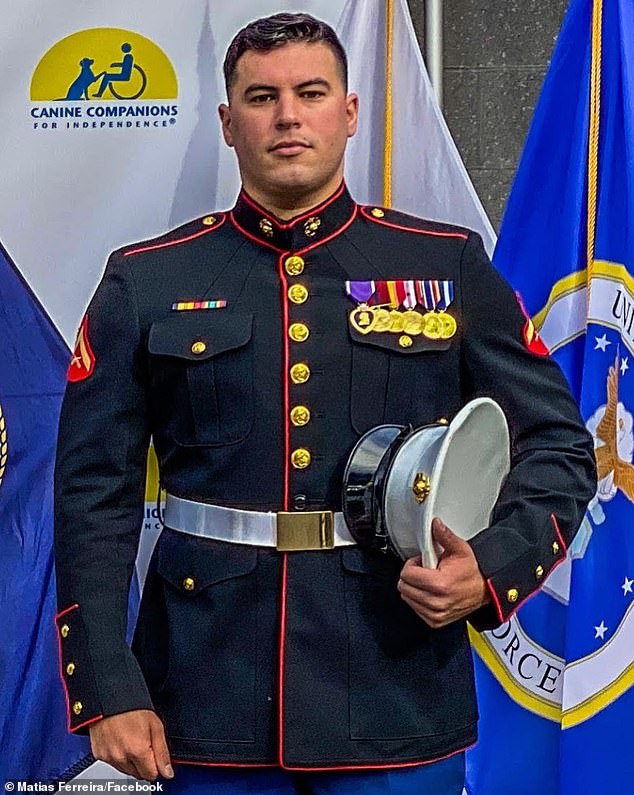
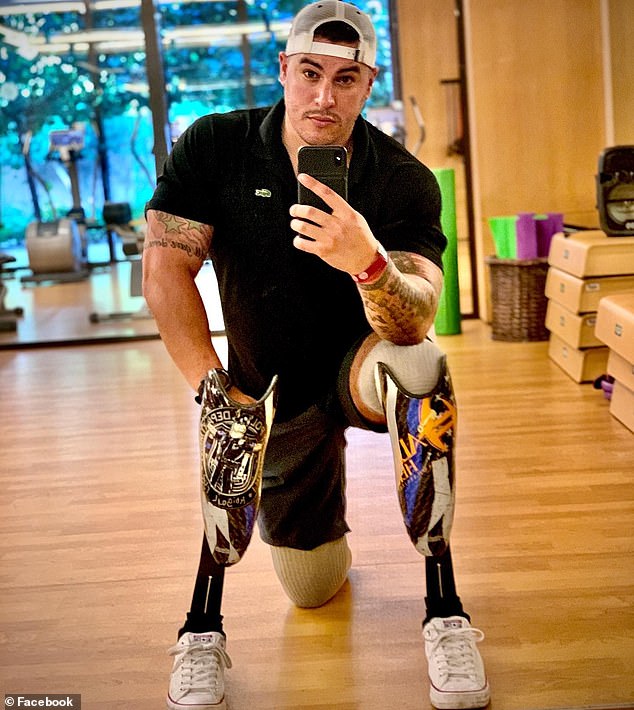
Ferreira's attorney, Norman Steiner, mentioned that his firm is representing the veteran pro bono to send a message. The purpose of the lawsuit, according to Steiner, is to prevent similar occurrences from happening again. Passengers seated in the exit row are typically asked if they can assist others in an emergency, which is part of the safety protocol.
Delta's policy states that passengers may not sit in an exit seat if they lack sufficient mobility, strength, or dexterity in both arms and hands, and both legs to reach the emergency exit, operate the exit, and exit expeditiously. Ferreira agreed to the responsibility when asked by Delta's flight attendants but was still told to move seats.
Ferreira described the ordeal as humiliating, feeling like he was viewed as a liability rather than a United States Marine, a police officer, a father of two, or someone who golfs, skydives, shoots, and does various activities. He added that the experience made him feel like he was "stripped away" of all his accomplishments.
Steiner called the incident a "devastating blow" to Ferreira and argued that Delta's actions were a "spiritual amputation." He noted that there is no prosthetic that can give back one's sense of self and purpose. Ferreira also noticed that on his return flight, a safety pamphlet in the front of his seat had a drawing of a man with a prosthetic leg helping during an emergency.
Ferreira's lawyer aims to raise awareness about alleged discriminatory practices against amputees. Steiner emphasized that the goal is to ensure better training for crews to prevent such incidents from occurring again.
