Second Brother of French Anti-Drugs Activist Killed in Marseille, Prosecution Reveals
A Tragic Loss and the Fight Against Drug Violence in Marseille
A 22-year-old French campaigner, Amine Kessaci, has faced yet another devastating loss as his 20-year-old brother, Mehdi, was killed in what appears to be a targeted attack by criminal gangs in Marseille. The incident marks the second time that Kessaci has lost a sibling to drug-related violence, highlighting the deep-rooted issues of crime and drug trafficking in the region.
According to reports, Mehdi was parking his car in the city center when a motorbike approached him. The passenger on the motorbike opened fire with a 9mm pistol, shooting Mehdi multiple times. Marseille prosecutor Nicolas Bessone confirmed the details of the incident, stating that the victim had no prior criminal record. This tragic event has once again brought attention to the dangers faced by individuals who speak out against drug violence.
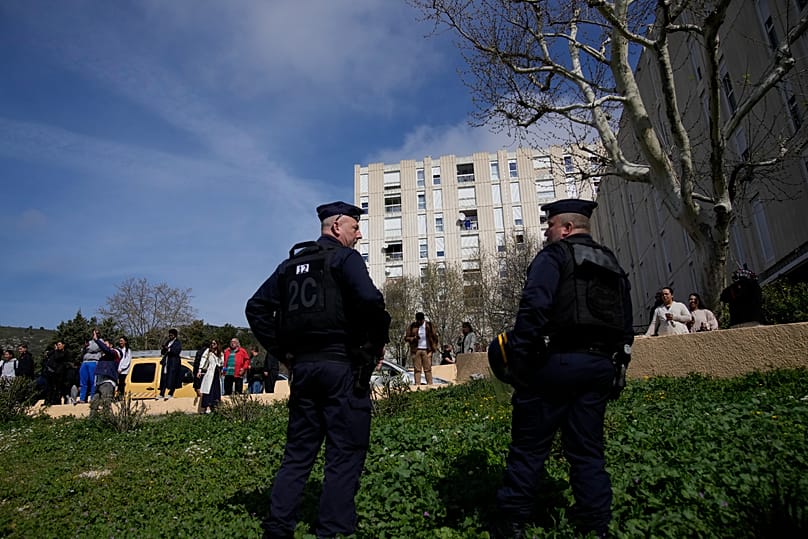
Bessone also mentioned that the murder could have been a "warning" to Kessaci, who has been actively involved in raising awareness about the impact of drug trafficking in the area. The investigation into Mehdi’s death is still in its early stages, and authorities are working to determine the exact circumstances surrounding the attack.
This is not the first time that Kessaci has experienced such a loss. His elder brother, Brahim, was murdered in 2020. Brahim was shot and later found in a burned-out car, a method commonly used in gang-related killings and locally referred to as a "barbecue." This grim tactic has become a symbol of the brutal nature of drug-related violence in the region.
Kessaci, who grew up in the northern neighborhoods of Marseille, has dedicated himself to supporting families affected by drug violence. In 2020, he founded a non-governmental organization called Conscience, which provides assistance to those who have lost loved ones due to drug-related crimes. His work has drawn both admiration and concern, as he has become a target for criminal groups.
Since last month, Kessaci has been under police protection after writing a book that highlights the stories of victims of drug trafficking in Marseille. His efforts to bring attention to the issue have not gone unnoticed, but they have also placed him in danger.
The situation in Marseille reflects a broader problem across France. Recent warnings from anti-narcotic agencies indicate that no part of the country is free from the influence of drugs. In response, the French government has announced plans to send 200 drug traffickers to "completely hermetic" prisons, aiming to curb the spread of drug-related crimes.
Kessaci has spoken openly about the challenges faced by his family. Last year, he told the media that his older brother Brahim was the only one in his family to have been involved in drug trafficking. This revelation underscores the personal toll that drug violence has taken on his life and the lives of those around him.
Since the beginning of this year, at least 14 people have been killed in drug-related crimes across the Marseille region, according to official figures. These numbers highlight the urgent need for stronger measures to combat drug trafficking and protect vulnerable communities.
Kessaci's story is a powerful reminder of the human cost of drug violence. His determination to continue his work despite the risks serves as an inspiration to others who seek to make a difference in their communities. As the investigation into Mehdi’s death continues, the hope remains that justice will be served and that the cycle of violence can be broken.
