Michael Burry closes hedge fund after betting against AI powerhouses
The Rise and Retreat of a Financial Maverick
Michael Burry, the hedge fund manager who gained notoriety for his bold bets against the US housing market before the 2008 financial crisis, is preparing to close his firm after 25 years in operation. His decision comes as he returns capital to investors, signaling a significant shift in his career trajectory.
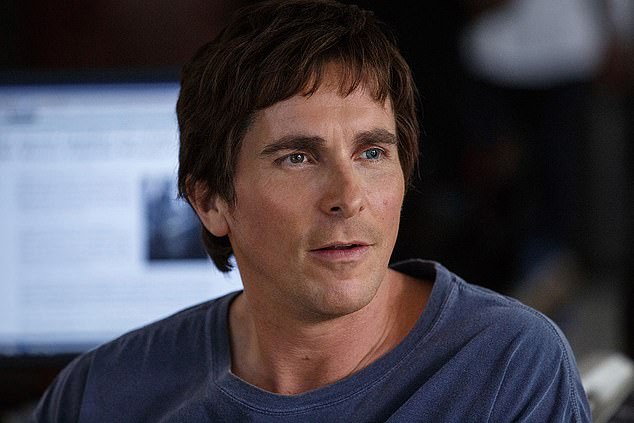
Burry, famously portrayed by Christian Bale in the 2015 film The Big Short, has deregistered Scion Asset Management. According to documents filed with the Securities and Exchange Commission (SEC), Scion's registration status was marked as 'terminated' as of 10 November. This move means that the fund is no longer required to submit reports to the regulator or any state authorities.
This development follows Burry’s recent focus on challenging the valuation of major technology companies linked to the artificial intelligence (AI) boom. He believes these firms are significantly overvalued, prompting him to take substantial short positions against them.
Scion, which managed $155 billion in assets under management as of March, reportedly invested more than $1 billion in put options against chip giant Nvidia and software company Palantir Technologies. Put options are financial instruments that pay off when the price of an asset falls, making them a common tool for investors betting against market trends.
Despite a recent downturn driven by concerns about an "AI bubble," both Nvidia and Palantir have seen their stock prices rise substantially since the start of 2025. Nvidia shares have increased by over 35%, while Palantir has surged by more than 128%.
Burry has been vocal about his skepticism toward the cloud infrastructure boom, accusing major providers of using aggressive accounting practices to inflate profits from their massive investments in hardware. He argues that companies such as Microsoft, Alphabet-owned Google, Oracle, and Meta are leveraging extended depreciation schedules to make their earnings appear more stable.
According to Burry’s estimates, these accounting choices could result in a $176 billion understatement of depreciation between 2026 and 2028, thereby inflating reported profits across the sector.
The Impact of AI on the Market
Since November 2022, when OpenAI launched ChatGPT, AI-related stocks have contributed to 75% of the S&P 500 index's returns, according to research published by J.P. Morgan Asset Management in September. This trend highlights the growing influence of artificial intelligence on the broader financial landscape.
The Financial Times reports that Burry has informed investors that he plans to liquidate funds and return capital by year-end, although there may be minor delays due to audit or tax-related issues. In a letter dated 27 October, he wrote: "My estimation of value in securities is not now, and has not been for some time, in sync with the markets."
This statement underscores Burry’s long-standing belief that the current market valuations do not reflect true underlying values. His approach has always been rooted in a contrarian perspective, often going against the prevailing sentiment in the financial world.
As Burry steps away from managing Scion Asset Management, his legacy remains one of bold predictions and unconventional strategies. Whether this marks the end of an era for his firm or just a new chapter in his career remains to be seen. However, his insights into market dynamics and corporate accounting practices continue to influence discussions among investors and analysts alike.
