The Hidden Car Button to Avoid in a Storm
Understanding the Risks of Driving in Storm Claudia
As Storm Claudia approaches, Britain is bracing for an intense downpour that could bring a month's worth of rain in just 24 hours. This extreme weather has prompted warnings from motoring experts about specific actions drivers should avoid to stay safe on the roads.
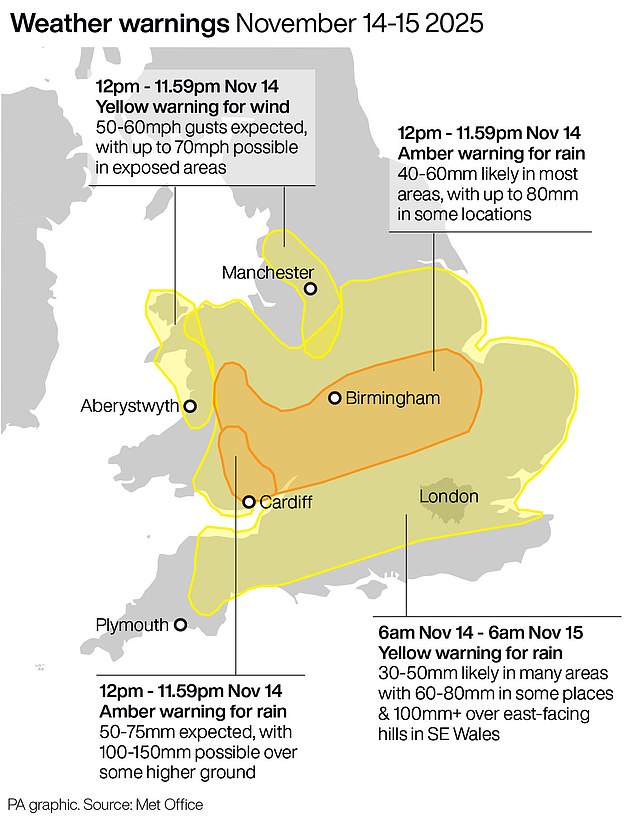
Two 12-hour 'danger to life' amber warnings have been issued for parts of central England and South Wales, with up to six inches (150mm) of rain expected. In addition to the heavy rainfall, winds of up to 70mph are also anticipated, creating hazardous conditions for drivers across the country.
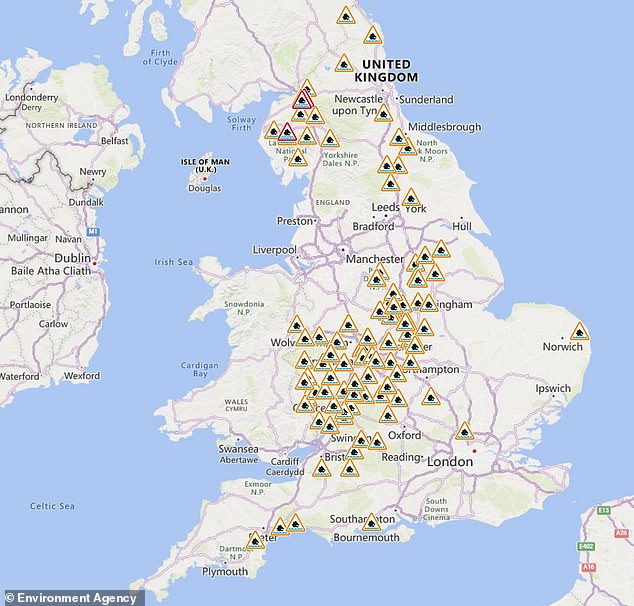
With over 120 flood alerts nationwide, the risk of driving through flooded areas is high. Motoring groups and safety organizations are urging drivers to take extra precautions to ensure their safety and the safety of others on the road.
The Dangers of Using Cruise Control in Wet Weather
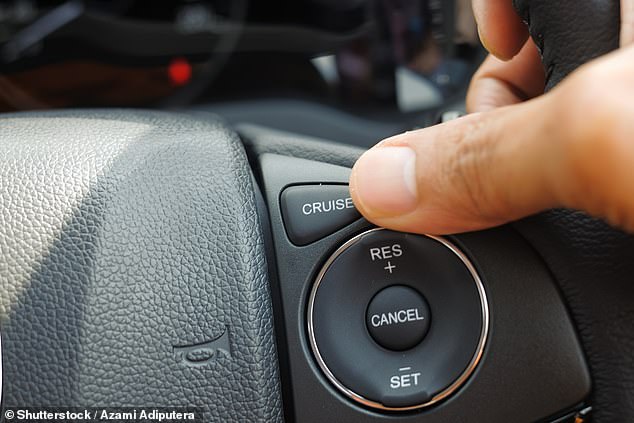
One particular feature that drivers should avoid using during this storm is cruise control. Experts warn that using this convenience feature can increase the risk of aquaplaning, where a layer of water between the tyres and the road surface leads to a loss of traction and control.
Graham Conway, managing director at Select Car Leasing, explains:
"Cruise control assumes that your car's tyres are maintaining constant traction with the road. When that traction fails, such as when you aquaplane, the system senses a drop in engine load—perhaps assuming you're climbing a steep hill—and adds throttle to maintain your speed."
In an aquaplaning scenario, accelerating can worsen the loss of traction. Additionally, relying on cruise control might delay your reaction time and mask the fact that you are aquaplaning. It can also make it harder to ease off the accelerator gently, which is crucial if you start aquaplaning.
If drivers feel their car is aquaplaning, they should ease off the throttle and avoid braking. They should keep both hands on the wheel and avoid sudden steering movements, as these could cause the vehicle to veer off course once traction returns. Maintaining a safe following distance is also essential.
Rule 227 of the Highway Code advises:
"If the steering becomes unresponsive, it probably means that water is preventing the tyres from gripping the road. Ease off the accelerator and slow down gradually."
The Consequences of Driving Through Floods
National Highways has also issued advice for driving in extreme wet weather. Drivers are urged to be cautious and aware of the risks associated with flooded roads.
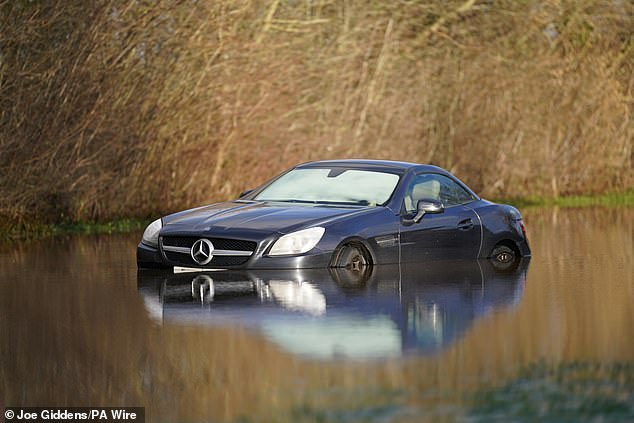
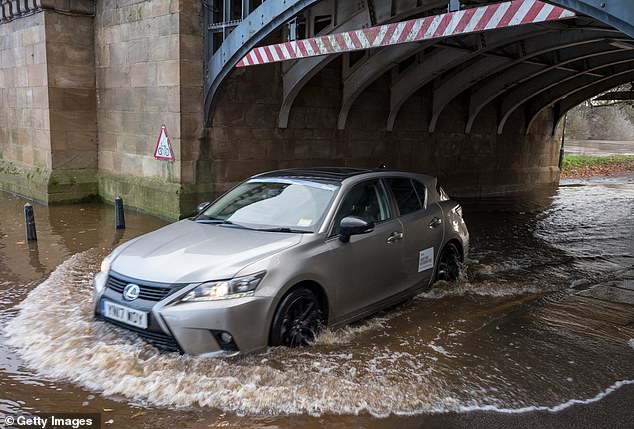
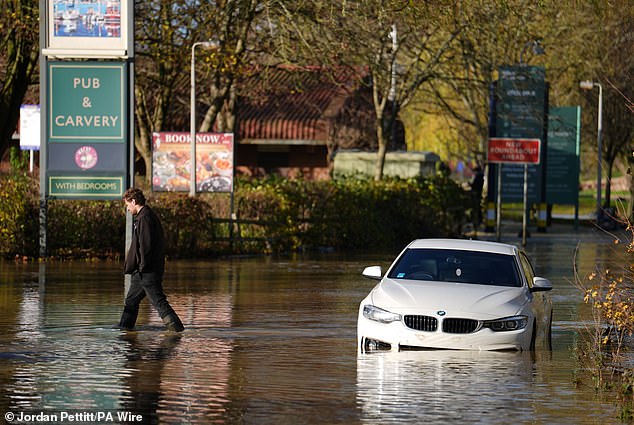
According to insurer Aviva, vehicles suffering flood damage have a three in five chance of being written off. Based on its claims data, it found that motors caught in flooding typically suffer £6,638 in average damage, with 60% of claims resulting in a write-off.
A poll of 2,000 people revealed that many drivers are unaware of the dangers of driving through floods. In the poll, 12% of respondents said they have driven when there was a severe weather warning in place. Furthermore, 6% admitted to consciously driving through a submerged road or crossing, even when there was a flood warning in place.
Rule 121 of the Highway Code states that if a motorist has driven through deep water, they should test the effectiveness of their brakes at the first safe opportunity. Without functioning brakes, a vehicle could be deemed unsafe, potentially leading to fines, points on a driving licence, or even a driving ban.
James Driscoll, motor claims manager at Aviva, warns:
"Flash floods can catch us off guard, and the depth of flood water can be deceptive. Drivers may not always be able to gauge the true depth of the water or see submerged hazards on the road."
He continues:
"If you encounter a flood or higher levels of flood water in a ford, always find an alternative route to your destination. Even a small amount of water can cause severe damage to your brakes and engine, potentially leading to irreparable damage to your vehicle."
Preparing for the Storm
As the storm approaches, it is crucial for drivers to remain vigilant and follow safety guidelines. Avoiding the use of cruise control, staying away from flooded areas, and being aware of the risks associated with wet weather driving are essential steps to ensure safety on the roads.
By taking these precautions, drivers can reduce the likelihood of accidents and protect themselves and their vehicles from the potential damage caused by Storm Claudia.