Over Half Regain Weight After Stopping Fat Jabs - Pounds Return in Under a Year
Understanding the Challenges of Weight Loss Jabs
Recent research has highlighted a significant issue in the use of weight loss jabs, particularly those containing GLP-1 drugs. The study found that more than half of users regain at least some of the weight they have lost within a year of stopping the medication. This finding aligns with previous clinical studies, which also observed similar patterns among patients who discontinue treatment.
Dr Michael Weintraub, an endocrinologist and lead author of the study, emphasized the importance of understanding how treatment discontinuation affects long-term weight management. He noted that while clinical trials show weight recurrence after stopping treatment, there is a lack of real-world data on this issue. Optimizing treatment approaches and personalizing care could help maximize the benefits of these medications for patients.
The study was presented at Obesity Week 2025 in Atlanta and analyzed data from over 1.2 million US adults using GLP-1 drugs between January 2010 and June 2024. These individuals were recorded in Optum's Market Clarity database, which links electronic health records with claims data. Among the participants, 18,228 stopped treatment after losing at least 5% of their body weight, with most having type 2 diabetes.
Key Findings from the Study
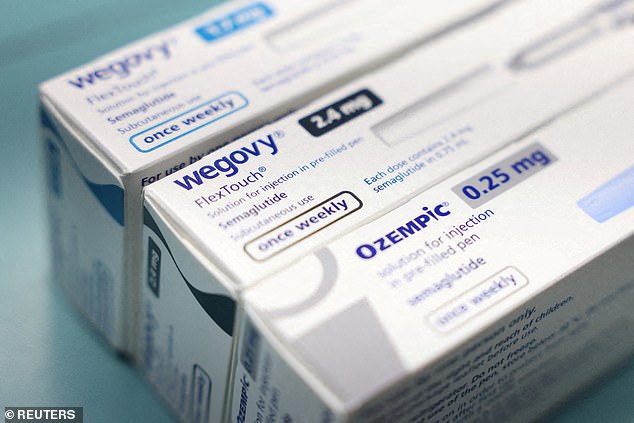
Of the 18,228 participants, over half were taking semaglutide, the active ingredient in Ozempic and Wegovy. This drug works by tricking the brain into feeling full, thereby reducing appetite and aiding weight loss. The remaining 56% were using either liraglutide or tirzepatide, commonly known as Mounjaro, referred to as the "King Kong" of weight loss jabs.
On average, patients used these jabs for just over eight months before discontinuing them. All participants were considered obese or overweight, with an average BMI of 39. Of the entire cohort, over half were still using the GLP-1 drug after six months, and 38% continued using it a year later.
Weight gain increased significantly over time after stopping the treatment. At three months post-discontinuation, participants gained an average of 4.5% of their body weight, rising to nearly 6% at six months and 7.5% after a year. Overall, 58% of users regained the weight they had lost.

Implications and Future Research
Dr Weintraub suggested that further research is needed to understand why some patients maintain their weight loss while others experience recurrence. Identifying factors that contribute to successful weight maintenance could help develop better strategies for long-term treatment.
Professor John Apolzan, a nutrition expert, commented that these drugs cannot be easily discontinued without negative effects. He compared them to other prescription medications, such as those for hypertension, where patients typically remain on the medication long-term.
Although over 40% of patients maintained their weight loss after stopping the jabs, researchers are unsure whether this was due to lifestyle changes or the use of other weight loss drugs not captured in the data. It is speculated that differences in how quickly people regain weight may be linked to the difficulty of maintaining dietary restrictions without the aid of these medications.
Previous analyses have shown that even with newer, more powerful jabs like Mounjaro, users tend to regain weight after discontinuation. While these drugs can lead to greater weight loss—around 16kg on average—they often regain almost 10kg within a year, potentially regaining all the lost weight in less than two years.
Broader Impact on Healthcare Systems
These findings raise concerns for healthcare systems, especially the NHS, which currently recommends limiting the use of weight loss injections to no more than two years. However, these drugs have been shown to reduce the risk of serious diseases, including heart disease, dementia, and cancer.
In October 2025, leading doctors hailed Mounjaro and Wegovy as highly effective treatments for obesity, suggesting they should be the first-line option in most cases. The European Association for the Study of Obesity praised the drugs' effectiveness and health benefits, highlighting their role in reducing complications like high blood pressure and type 2 diabetes.
As anti-obesity measures continue to evolve, new government laws in England have banned buy-one-get-one-free deals on unhealthy snacks and restricted online and TV advertising for unhealthy foods. These policies aim to address the growing obesity crisis, which has led to a 39% rise in type 2 diabetes among under-40s and is linked to multiple types of cancer.
With the increasing demand for weight loss jabs like Wegovy, questions remain about whether they will lead to breakthroughs in obesity management or face challenges due to limited availability. The effectiveness of these medications continues to spark debate, with many wondering if they are truly the solution to the UK’s healthcare challenges.
