Overloaded Boat in Migrant Rescue Chaos
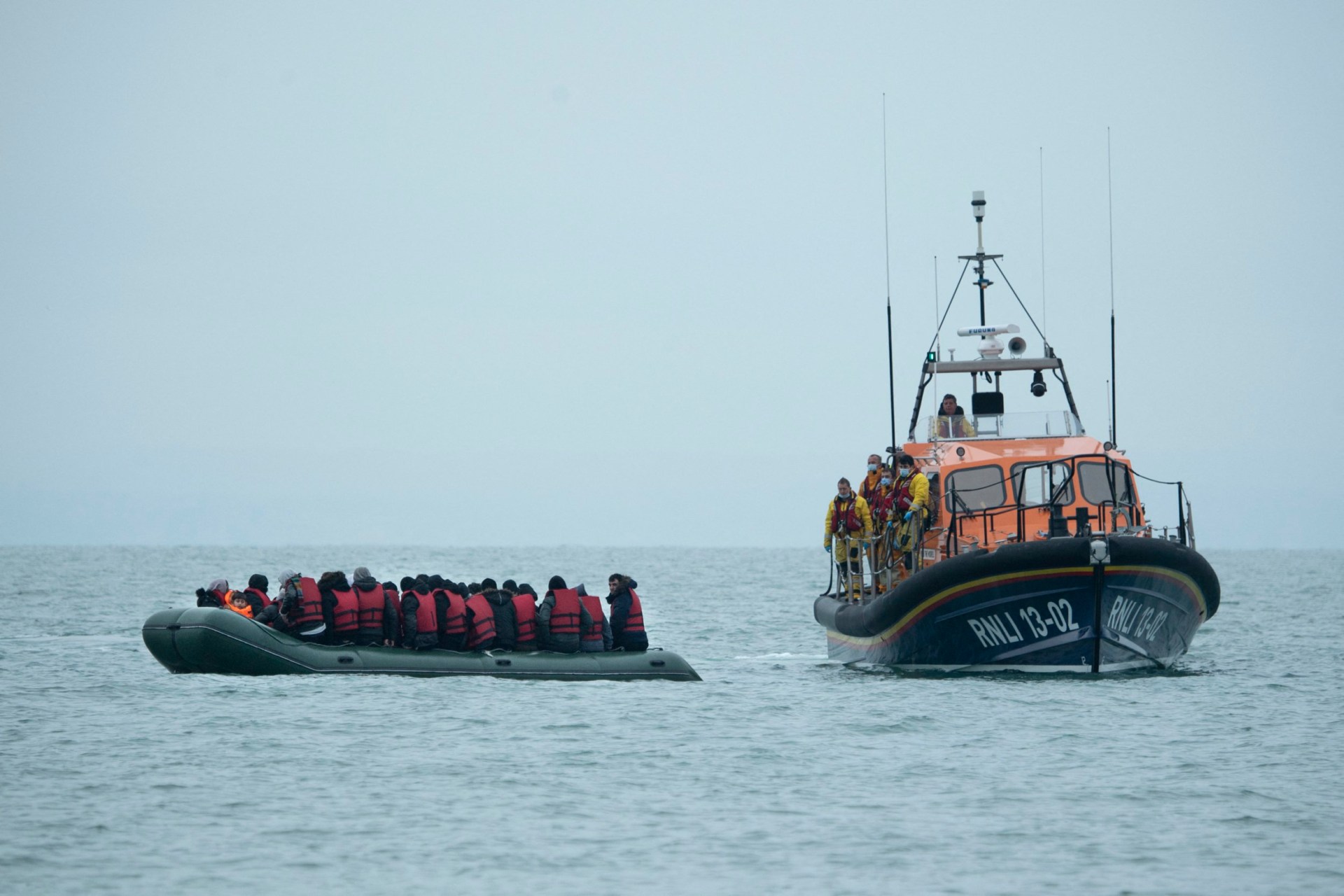
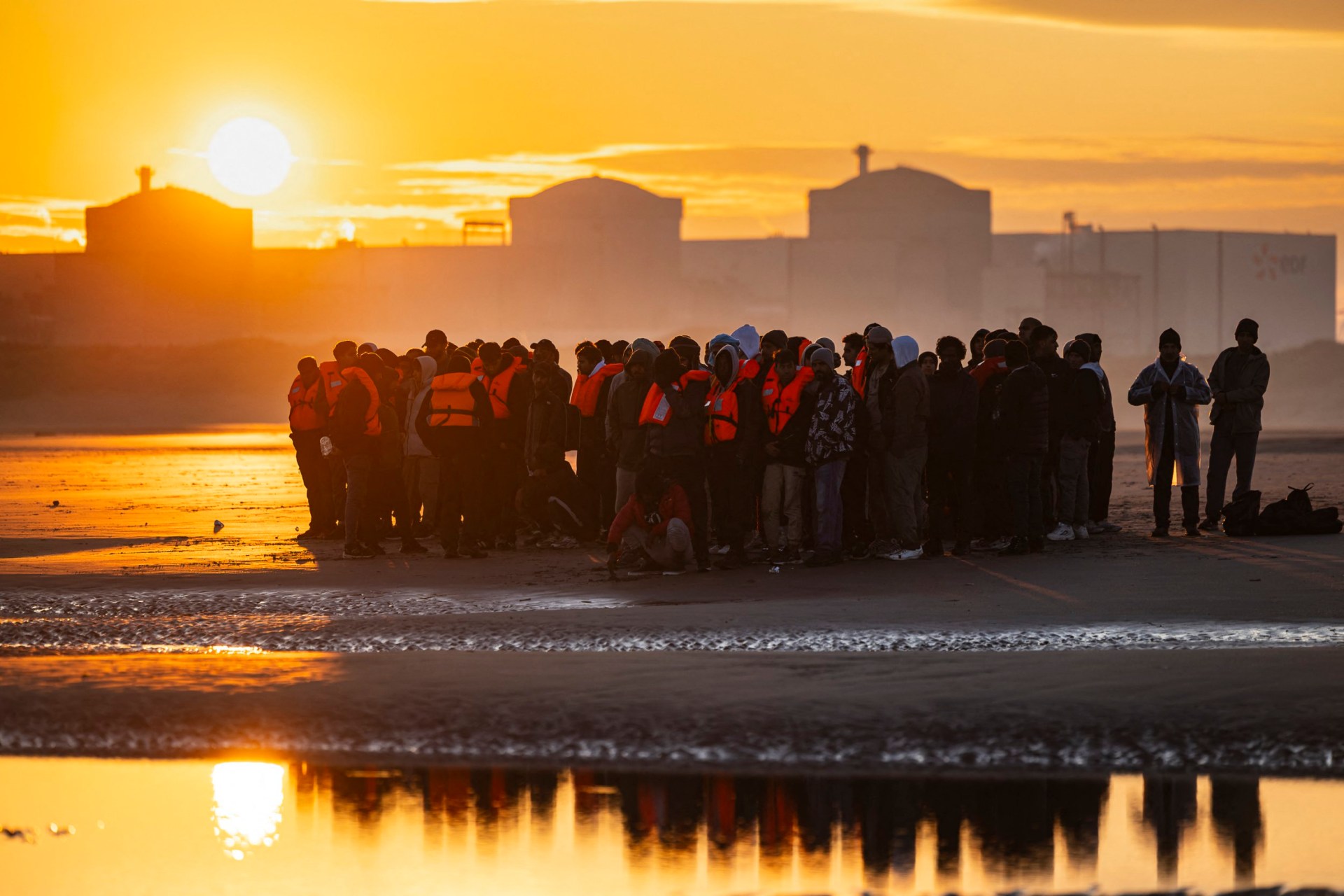
Small boat migrants were described as being “up to their knees in water” as their struggling dinghy made its way toward the UK during one of the largest rescues last year, according to newly released logs. The vessel, which was carrying nearly 50 people, was intercepted by the Royal National Lifeboat Institution (RNLI) while attempting the dangerous crossing from France.
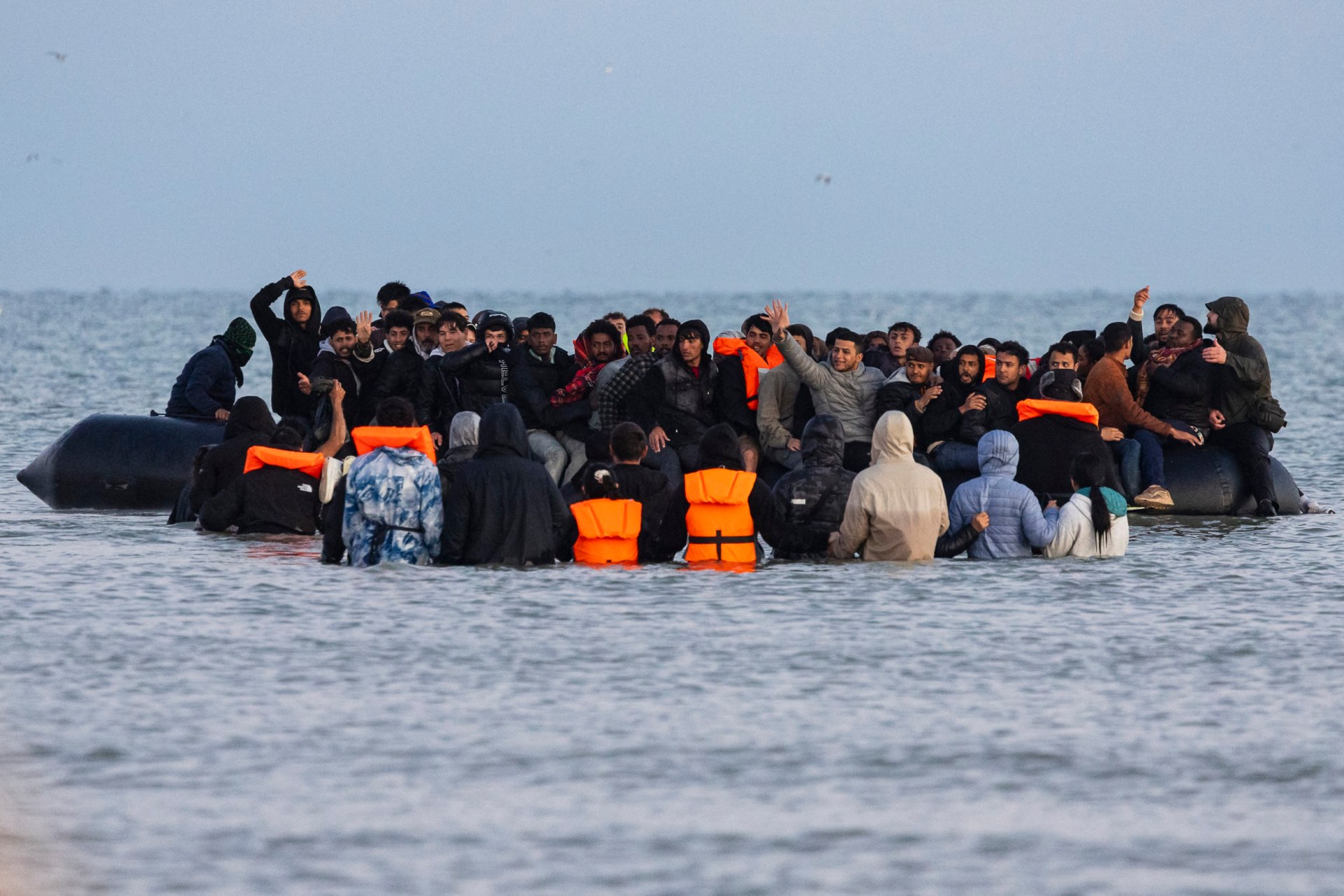
Some of the occupants reportedly entered the water as the overcrowded boat was found to be in a poor condition. Nine sea and air assets from both countries participated in the emergency response, with the UK Border Force facing an exhausting day in the English Channel. This rescue was among 13 incidents handled by British authorities on the same day during the peak summer crossing season.
A French boat that first approached the dinghy reported that the vessel had broken down and was only six meters long. It also noted that the overloaded migrants had water up to their knees.
The redacted log has been released for the first time as the home secretary intensifies efforts to curb illegal immigration across the English Channel and North Sea. Shabana Mahmood highlighted that almost 50,000 failed asylum seekers, foreign criminals, and other immigration offenders have been removed or deported from British soil since July 2024.
The exclusive report revealed that over 113 migrants have been returned to France since September under the government’s controversial “one in, one out” deal. The logs highlight the hazardous and resource-intensive nature of these rescues, often involving multiple alerts in a single day.
Six women and seven children were among the 49 people recovered from the migrant vessel by the RNLI, according to the document released by the Maritime and Coastguard Agency (MCA).
Alarm pushes Border Force to limit
The underpowered boat was reported to be in a “poor condition” as it was monitored by Ridens, a French search and rescue ship, before entering the UK’s Search and Rescue Region. As the incident unfolded in the early hours of June 18, confusion arose on the British side regarding the origin of the initial alarm.
An email suggested that a French charity, Utopia 56, had reported a vessel carrying women and children to the Gris-Nez operations centre, located south of Calais. The report stated: “RX FROM UTOPIA 56 PHONE CALL TO GRIS NEX 6 WOMEN AND 7 CHILDREN ON BOARD.”
When Ridens arrived at 6:10 am, the dinghy appeared to be in bad shape and needed to be restarted by the occupants. At 7:08 am, the log recorded: “Dover LB is launched because of the condition of the vessel and UK BF assets are reaching their capacity.”
“A number entered water”
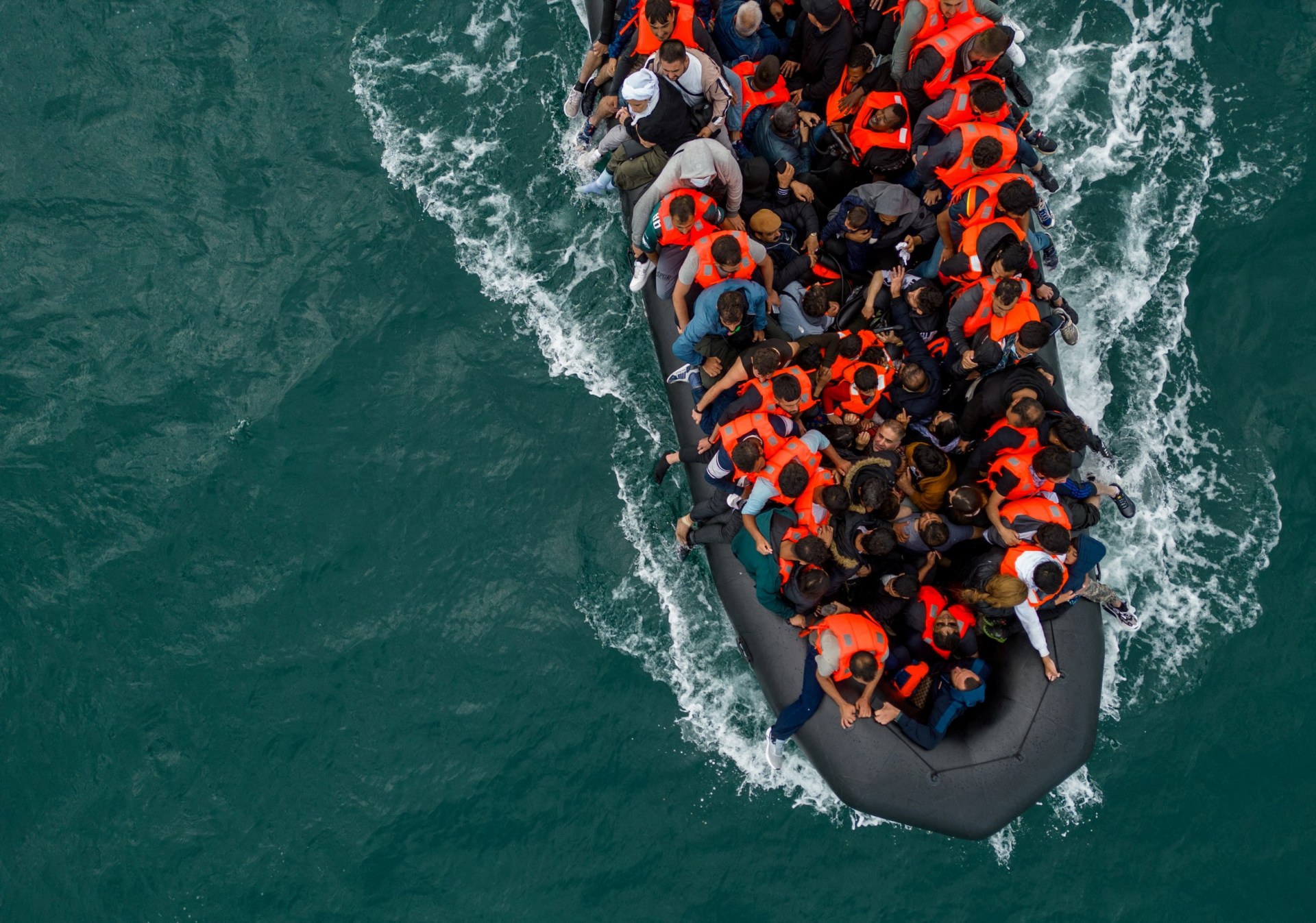
The Border Force vessel Defender then reported that there were 56 people on board — 47 male and eight female — including one with a rash. The UK elements upgraded the incident to the “distress phase,” with the RNLI reporting that the boat was “low in water.”
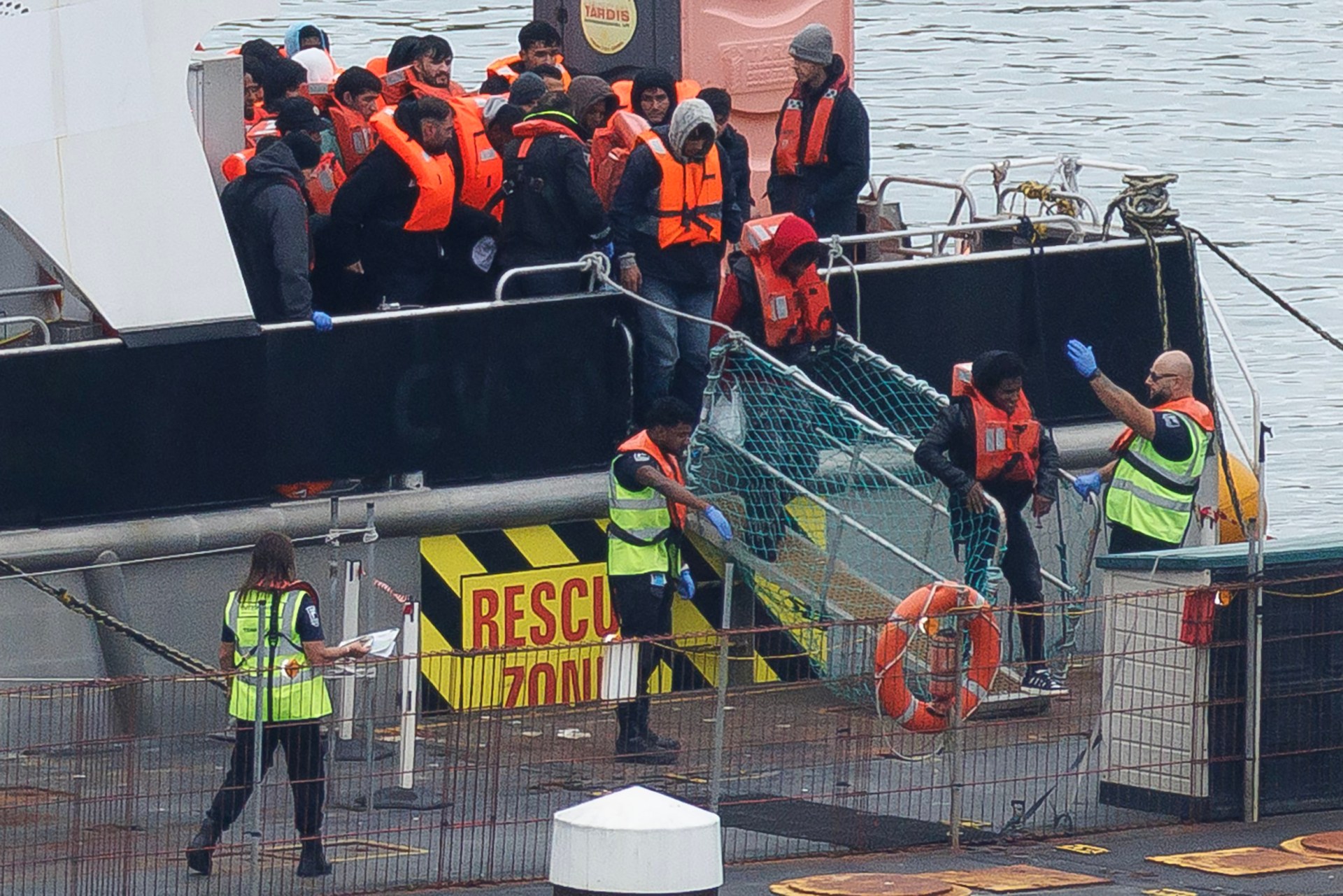
With the Athena, another Border Force ship, providing “safety cover,” the lifeboat crew transferred all the casualties and headed for Western Jet Foil, a migrant processing centre in Dover. The log reads: “Was heavily overloaded once alongside. A number did enter water but was recovered immediately.”
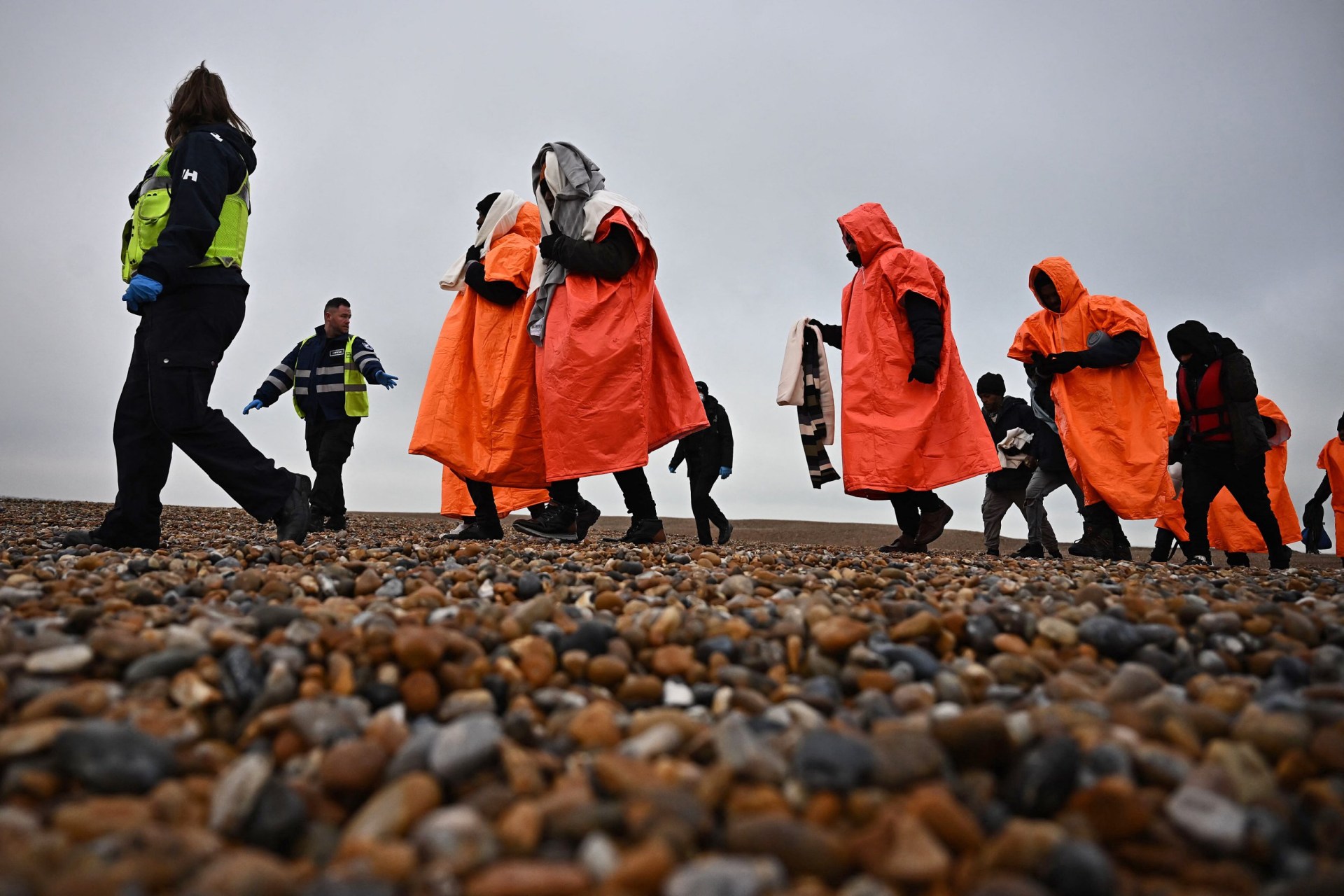
Four people who entered the water were wrapped in blankets as the occupants were taken to the port.
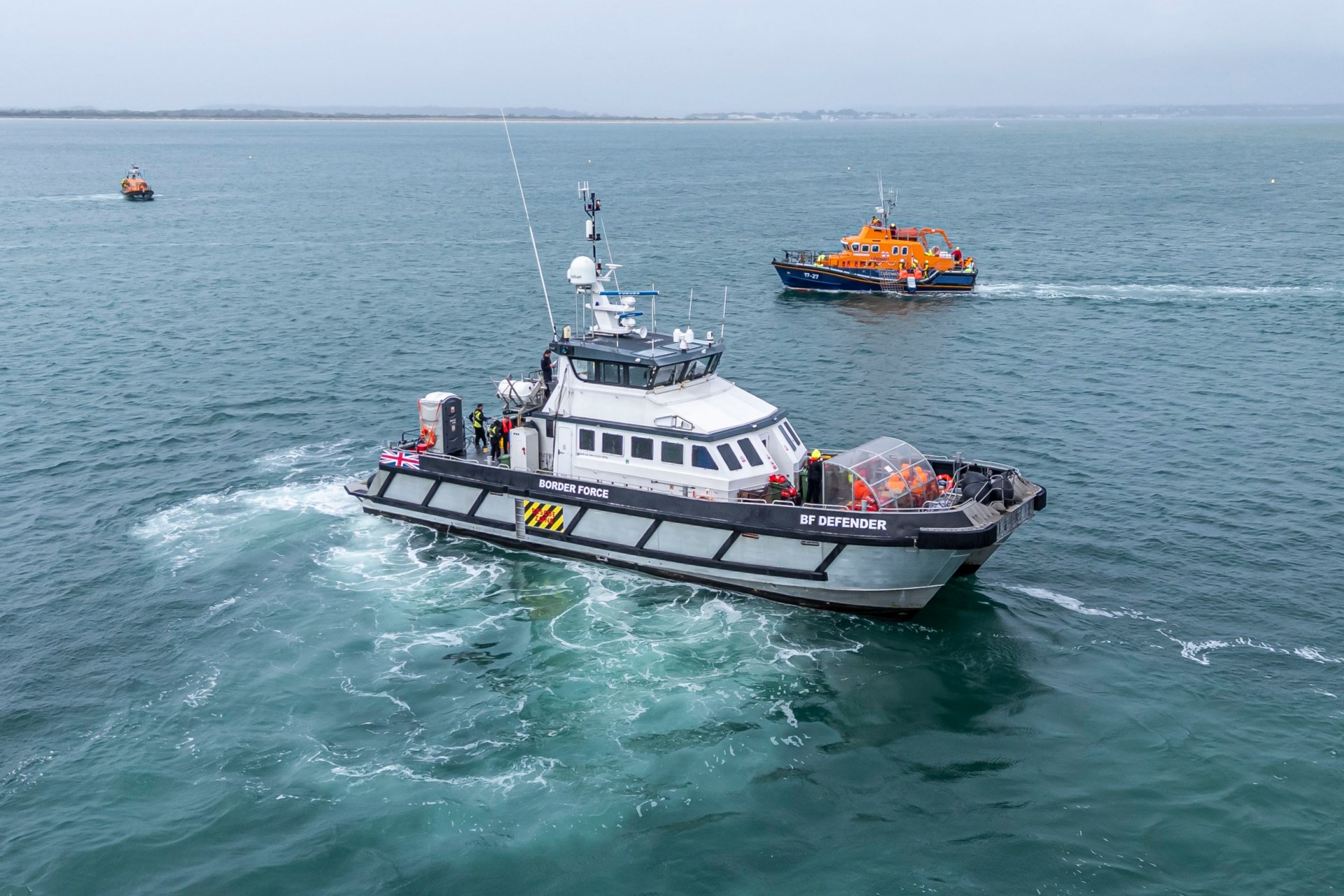
The main concern of the all-weather lifeboat crew was for the children who were said to be “wet and cold,” with the plan being to “disembark at speed” once at Jet Foil. The Defender also appears to have picked up casualties at some point during the morning, stating that one of the “minors” had been changed out of wet clothing.
At 9:20 am, the RNLI lifeboat crew reported: “Now back in Dover Harbour. Everything ok.” The French vessel MCS Taku recovered the dinghy before the incident was closed at 10:31 am. The incident was logged close to the middle of the Dover Strait at 51°04’55.0″N – 1°40’10.0″E and was one of 13 responses from the UK elements on the day.
Opposing views on crossings
Shadow home secretary Chris Philp MP stated: “No one should be making these dangerous crossings across the Channel. France is a safe country. Only the Conservative Party has done the hard work to develop a detailed and proper plan to stop illegal immigration. We will leave ECHR and execute our BORDERS plan. We will remove everyone who arrives in this country illegally. This will deter people from making the crossings and save lives.”
The Refugee Council said last month that many of the asylum seekers making the perilous crossing are fleeing “brutal regimes or the horrors of war.” The charity advocates for legal pathways to the UK to “prevent dangerous crossings” and stop people from being driven “into the hands of smugglers and onto flimsy boats that put their lives at risk.”
“We will stop the boats”
The logs can be revealed as Ms Mahmood highlighted new figures showing a 23% increase in total removals or deportations compared to the previous 16-month period before July 2024. The Home Office said she is due to announce “the most sweeping reforms to tackle illegal migration in modern times.”
The move is expected to include measures to make it less attractive for illegal migrants to come to Britain and easier to remove and deport them. The Home Office maintains that it routinely works closely with the French authorities at all levels to reduce crossing attempts, and that the joint effort prevented 28,000 such journeys last year.
A spokesperson said: “The number of small boat crossings are shameful and the British people deserve better. This Government is taking action. We have detained and removed more than 35,000 who were here illegally, and our historic deal with the French means those who arrive on small boats are now being sent back. But we must go further and faster – removing more of those here illegally and stopping migrants from making small boat crossings in the first place.”
The RNLI said that the incident was for the MCA, which tasked the lifeboat and Border Force vessels, to comment on. An MCA spokesperson said: “HM Coastguard will continue to meet its obligations under international law to safeguard life at sea, working in partnership with our search and rescue colleagues. We are only concerned with preservation of life, rescuing those in distress, and bringing them safely to shore, where they will then be handed over to the relevant partner emergency services or authorities.”
Do you have a story you would like to share? Contact josh.layton@.co.uk
