Amputee Darts Player Loses £1M Compensation Bid After Forklift Accident
The Case of Aaron Haley: A £1 Million Compensation Claim Rejected
Aaron Haley, a disabled darts player who lost his leg after being hit by a forklift at work, recently found himself in a legal battle over a £1 million compensation claim. The case centered on whether the amputation was medically necessary or a personal choice. In the end, a judge ruled that the amputation was not required and that Mr. Haley’s decision to have his leg removed was not justified.
The Initial Injury
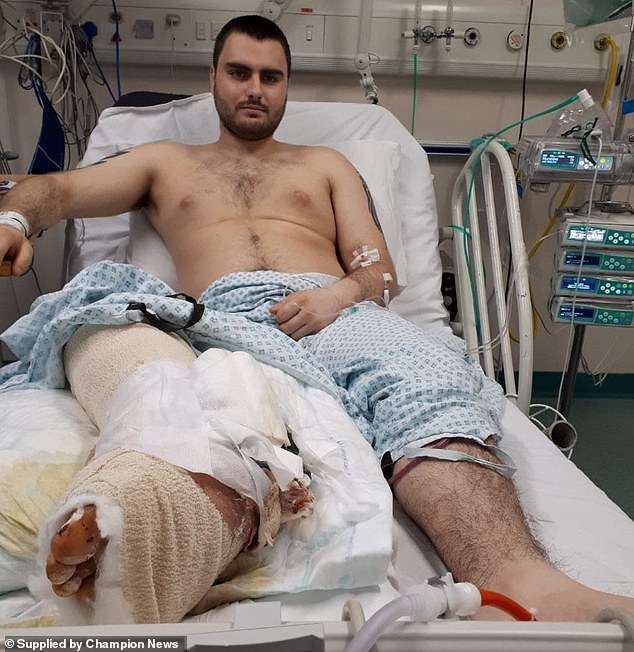
In March 2019, while working for Newcold Ltd, a cold storage company based in Wakefield, Mr. Haley suffered a severe crushing injury to his foot when he was hit by an industrial truck. The accident resulted in significant damage, including degloving and a burst fracture to the calcaneus (the heel bone). He required a skin graft and spent a considerable amount of time in the hospital.
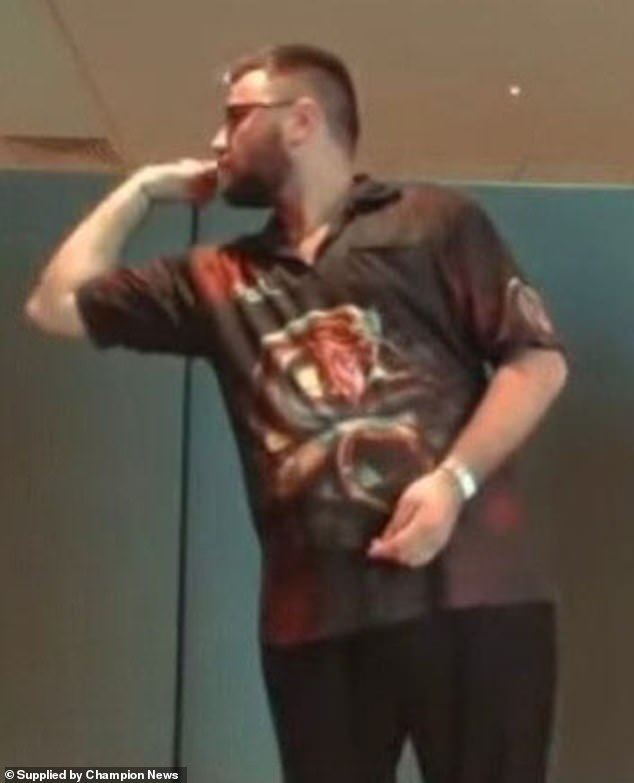
Despite the severity of the injury, experts noted that there was only a small chance the injury could lead to an amputation. However, Mr. Haley went on to become a professional disabled darts player under the name Aaron "The Rattler" Haley. After the accident, he sued his former employer for compensation.
The Amputation Decision
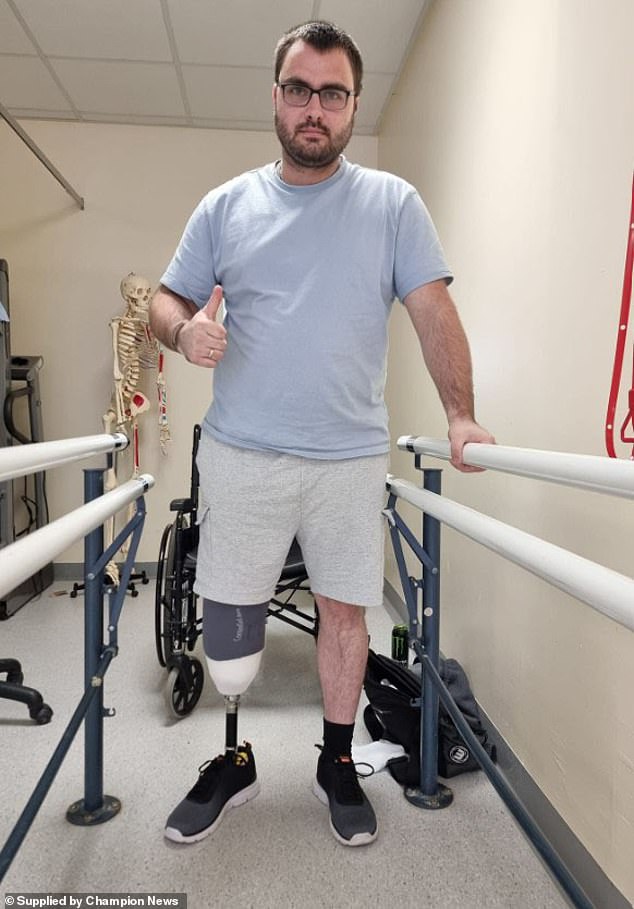
Mr. Haley decided to undergo surgery to have his leg removed below the knee in 2023. This decision significantly increased the potential value of his damages from around £500,000 to more than £1 million. However, Newcold Ltd contested this increase, arguing that the amputation was unnecessary and that Mr. Haley was not sufficiently disabled or in enough pain to justify it.
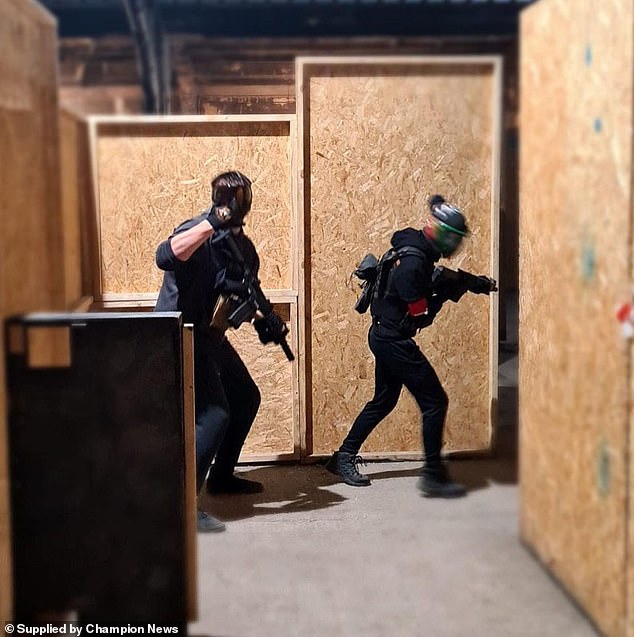
The company presented surveillance footage showing Mr. Haley walking "normally" before the operation. They also highlighted that he regularly played Airsoft, a combat simulation game similar to paintballing, in the weeks leading up to the surgery.
Legal Proceedings
During the trial, Judge Darren Walsh reviewed the evidence and concluded that the amputation was not necessary on clinical grounds. He pointed out that the surveillance footage showed Mr. Haley walking normally and engaging in various physical activities, such as playing crazy golf and tenpin bowling.
Judge Walsh noted that the only instance where Mr. Haley used a crutch was on the day he was due to see a doctor related to his damages claim. Even then, he held the crutch in the wrong hand, which raised questions about its necessity.
The Judge's Ruling
The judge acknowledged that the reason behind Mr. Haley's decision to have his leg removed remains unclear. However, he emphasized that the defendant (Newcold Ltd) had not provided sufficient evidence to determine Mr. Haley’s motivations. While the judge accepted that the amputation was not driven by pain or functional limitations, he did not make any findings about Mr. Haley’s underlying reasons.
As a result, Mr. Haley is not entitled to the £1 million-plus payout for the amputation. However, he is still eligible for damages related to his initial injury, which his lawyers estimated should be around £500,000 after accounting for his own contribution to the accident.
The Impact of the Ruling
The court heard that Mr. Haley had been struggling with ongoing pain and mobility issues. However, the judge found that his condition had improved to the point where he was effectively functioning normally in the months and weeks before the amputation. This led the judge to conclude that the amputation was a deliberate choice made by Mr. Haley, rather than a direct consequence of the accident.
He further stated that Mr. Haley’s decision to proceed with the amputation without exhausting all other treatment options was unreasonable and broke the chain of causation between the accident and the amputation.
Conclusion
The case highlights the complexities of medical decisions and their impact on legal claims. While Mr. Haley may have believed the amputation was necessary, the court determined that it was not clinically justified. The ruling underscores the importance of medical evidence in determining the validity of compensation claims and the role of personal choices in shaping the outcome of such cases.