Asbestos sand crisis escalates as dozens of schools shut amid child safety fears
School Closures Due to Asbestos Contamination
Primary schools and preschools in the Australian Capital Territory (ACT) have been abruptly closed just hours before classes were set to begin, due to concerns over asbestos contamination. The decision came after traces of chrysotile asbestos were discovered in a coloured sand used for craft and sensory play activities in schools.
The ACT education department confirmed that 15 primary schools and three preschools were shut down on Friday, with five additional schools partially affected. Asbestos testing is currently being conducted at these schools during the closures. The department emphasized that while WorkSafe ACT has determined the risk of exposure to the asbestos traces is low, the safety of students and staff remains the top priority.
The contaminated sand product was imported from China and sold under the brand name Kadink Decorative Sand, available in tubes weighing 10 grams. This issue follows a national recall of children's sand products sold by retailers such as Officeworks, Educating Kids, Modern Teaching Aids, and Zart Art. The Australian Competition and Consumer Commission (ACCC) issued an alert on Wednesday after laboratory tests detected traces of tremolite asbestos in the products.
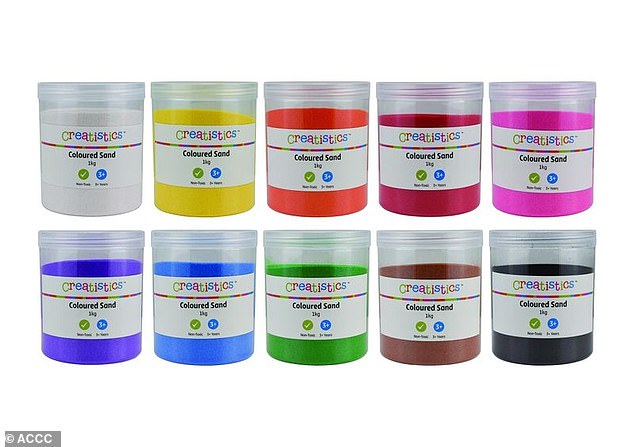
The affected products include Kadink Sand (1.3kg), Educational Colours Rainbow Sand (1.3kg), and Creatistics Coloured Sand (1kg). These items have been available in Australia since 2020, and a voluntary recall has also been initiated in New Zealand. ACCC Deputy Chair Catriona Lowe stated that Officeworks had already removed the affected products from their shelves.
Worksafe ACT has advised anyone who possesses the product at home or in arts and crafts supplies to dispose of it immediately. However, they emphasized the need to take precautions to prevent asbestos fibres from becoming airborne. This includes wearing disposable gloves, a P2-rated face mask, and protective eyewear during disposal.
"Do not disturb or use the product and isolate it," the authority advised. "Carefully double wrap the sand, its container, and any related materials in 200-micron plastic bags, seal securely with tape, and clearly label the package as asbestos waste."
It is important to note that asbestos cannot be disposed of in regular waste and must be taken to designated resource management facilities. This step is crucial to ensure the safe handling and disposal of the hazardous material.
This incident is reminiscent of previous cases where asbestos contamination led to the closure of schools, hospitals, and parks in Sydney in 2024. In Melbourne’s west, traces of asbestos found in parks were attributed to historic dumping and legacy contamination.
Key Steps for Safe Disposal
- Wear disposable gloves, a P2-rated face mask, and protective eyewear when handling the contaminated sand.
- Avoid disturbing or using the product.
- Isolate the product in a secure location.
- Double wrap the sand, its container, and any related materials in 200-micron plastic bags.
- Seal the bags securely with tape and label them clearly as asbestos waste.
- Take the sealed packages to a designated resource management facility for proper disposal.
Parents and educators are urged to remain vigilant and follow these guidelines to protect children and staff from potential asbestos exposure. The situation highlights the importance of ongoing monitoring and safety measures in educational settings.
