Doctors ignored warning signs of my failed weight loss surgery... it took nine years to fix
A Journey of Struggle and Recovery
Melissa Schloemer's journey to weight loss began with a dream. After years of dieting, she finally managed to lose 20lbs, which allowed her to qualify for a gastric sleeve surgery. This procedure involves removing around three-quarters of the stomach to help patients feel full quickly, eat less, and ultimately lose weight. For Schloemer, this was more than just a medical procedure—it was a chance at a fresh start.
Her weight had increased to 300lbs during her second pregnancy, and as a mother of two, she believed that this operation would be the reset she needed. She underwent the surgery in 2016, and initially, everything seemed to go well. In the first year, she lost an impressive 150lbs, shedding nearly 3lbs per week. However, things took a dramatic turn about a year after the surgery.
The Unexplained Illness
At the one-year mark, Schloemer began to experience a range of troubling symptoms. It started with nausea and abdominal discomfort, but it quickly escalated. Her hands and feet turned purple, and she suffered from regular indigestion and vomiting. Despite her worsening condition, doctors were unable to determine the cause. Some suggested it was all in her head, while others speculated that she might have an autoimmune disease.
In a shocking twist, she was even prescribed chemotherapy drugs, despite not having cancer. These treatments did little to alleviate her symptoms, and her health continued to decline. As a result, her diet and exercise plan fell apart, and her weight began to climb again, eventually reaching 311lbs.
For nine long years, Schloemer struggled with these symptoms and the relentless weight gain. It wasn't until tests were finally ordered that the true cause of her complications was revealed. According to Schloemer, she had a life-threatening hole in her stomach, roughly the size of a deck of cards, that was allowing the contents of her stomach to spill into her abdomen.

A Life-Threatening Condition
Schloemer described her experience with the surgeon who performed the original procedure as deeply disappointing. She claimed that he had botched the surgery, leaving a hole in the top of her stomach that went undetected for nine years. She also mentioned that none of the other doctors she saw during this time provided any meaningful help or conducted proper tests.
She felt gaslit by the medical community, with many suggesting that her symptoms were imagined or that she simply needed to live with the pain for the rest of her life. This lack of support was devastating, both physically and emotionally.
Gastric sleeve surgeries are generally considered safe, with about 150,000 procedures carried out in the US each year. Most are successful and do not result in complications. However, a 2021 study found that one in 20 patients may experience complications such as leakage, bleeding, infections, or nutrient deficiencies within 30 days of the surgery.
A hole in the stomach is a serious issue, as it can lead to sepsis or damage to other organs. While it is unclear whether the opening was left during the surgery or developed afterward, the consequences were severe for Schloemer.
A New Beginning
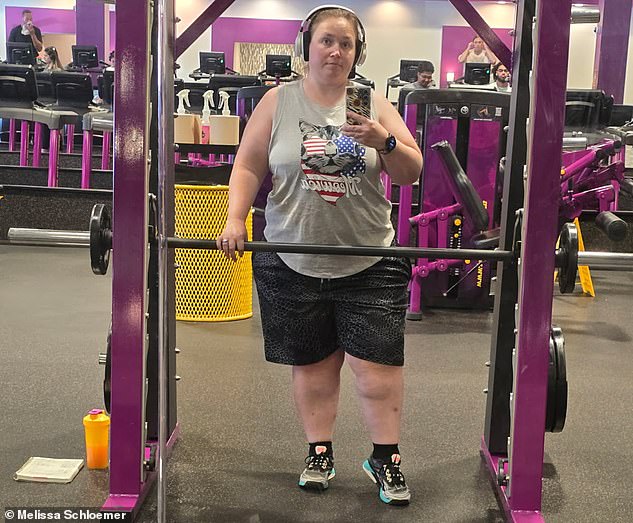
Six months after her initial surgery, Schloemer began training for a bodybuilding competition, which placed significant strain on her muscles and raised the risk of a rupture. A hole in the stomach, or gastric perforation, is a critical medical condition that requires immediate attention.
Doctors emphasize the importance of rapid diagnosis to reduce the risk of death or serious complications. A 2023 study suggested that up to 50% of patients with gastrointestinal perforations die from the condition. It is extremely rare for such a condition to remain undiagnosed for years.
Over the nine years following her surgery, Schloemer visited numerous doctors, both in New Jersey and South Carolina, where she lived from 2017 to 2022. Some suggested additional surgeries, but she refused. By May 2024, after moving back to New Jersey, she decided to try losing weight again. At the time, she had also been diagnosed with sleep apnea and asthma, and she was concerned about her future with her children.

Finding Hope Again
Schloemer joined JYM Army, a program run by Dr. Jim Stoppani, a Yale-educated PhD in exercise physiology. This regimen involved a restrictive 1,300-calorie-a-day diet consisting mainly of meat, vegetables, and protein shakes, along with supplements and regular gym sessions. Initially, she lost about 40lbs, but her nausea persisted.
After contacting another surgeon, she agreed to undergo another surgery in February, during which the hole in her stomach was discovered. She then had a procedure to close the hole, and since then, her illness has disappeared. She is now able to live life to the fullest, having lost 166lbs and reducing her weight from 311lbs to 145lbs.
Sharing her story, Schloemer emphasized the importance of perseverance. She urged others not to give up, to find a doctor who listens, and to seek the necessary surgery to improve their lives. She believes that without this intervention, she would not be alive today.
