EU Commissioner Condemns Football Super League Revival Efforts
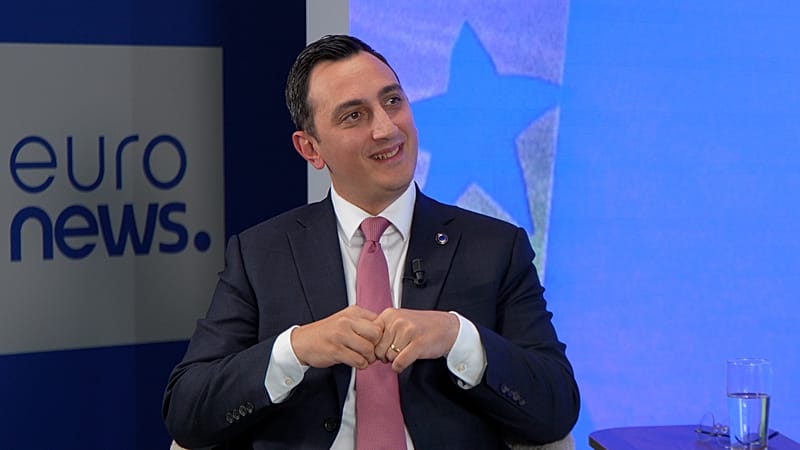
EU Commissioner Stands Firm Against European Super League
Brussels has once again expressed strong disapproval of efforts to bring back the European Super League. Glenn Micallef, the EU Culture and Sport Commissioner, made it clear that the Super League is a “mistake” and not a good idea. In an exclusive interview with Euronews, he emphasized that the concept of a closed competition would undermine the principles of open competition in European football.
The European Super League was initially proposed by top clubs from England, Spain, and Italy as a way to create their own competition outside of UEFA, the governing body of European football. The idea was to allow some of the wealthiest clubs to compete permanently, similar to how leagues operate in the United States. However, this model raised concerns about exclusivity and reduced competitiveness.
Micallef stressed that Europe values open competition and that such a structure could help sustain domestic leagues. Despite initial opposition from fans, players, managers, and football clubs, the league received support from courts, which ruled that UEFA or any other entity could not block its formation. These rulings have given new momentum to those advocating for a breakaway competition.
Yet, Micallef remains unconvinced. He pointed out that European football faces sustainability challenges, including heavy match calendars and financial pressures. He believes that all stakeholders should come together to find solutions. “I’ve been shocked to see discussions on athletes' welfare without the union representing the athletes being around the table,” he said. “These are discussions that need to be inclusive and involve all stakeholders.”
Growing Mental and Physical Health Challenges in the EU
Micallef also highlighted the “alarming” mental health situation among young people in the EU. According to the World Health Organization (WHO), one in five young people suffers from anxiety, depression, or another form of disorder. He attributed this to a poor quality of life and suggested that greater access to culture could serve as a remedy.
He noted that excessive screen time is directly linked to mental health issues, as well as negative psychological, physical, and emotional effects on younger generations. In addition to mental health, Micallef warned about the rising problem of obesity, which he described as an “epidemic.” He pointed out that nearly half of the EU population is physically inactive, leading to serious health issues such as cardiovascular diseases and diabetes.
Sport, according to Micallef, can act as a “free medicine” to address these problems. He emphasized the importance of promoting physical activity to reduce health expenditures and improve overall well-being.
EU’s First Strategic Framework on Culture
In addition to his role in sports, Micallef is responsible for culture within the EU. He discussed the Culture Compass for Europe, a groundbreaking framework that will provide an integrated approach to cultural policy for the first time. Developed by Micallef and approved by the Commission, the Compass outlines a long-term vision for the cultural sector.
One key commitment of the Compass is the regular publication of a “Report on the State of Culture in the EU” to promote artistic freedom. It also includes proposals to improve working conditions for the approximately 8 million people employed in cultural and creative enterprises across the EU—around 4% of the workforce.
Micallef pointed out that half of those working in the cultural sector face poor working conditions. “If we continue to allow this to happen, it will be very hard for the cultural sector to attract and retain talent,” he said. The Culture Compass is expected to be approved by all three EU institutions in 2026.
