From street food to fine dining: Uzbekistan's global culinary rise
The Heart of Gastro Forum Tashkent 2025
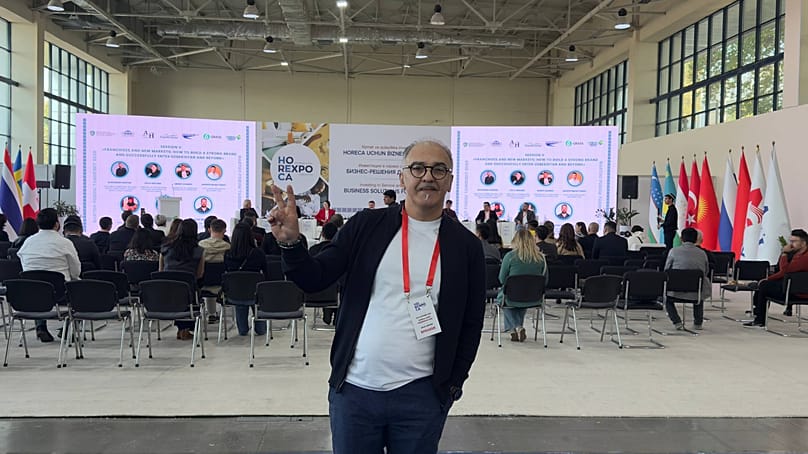
The kitchen was at the center of discussions at Gastro Forum Tashkent 2025, where chefs, restaurateurs, and suppliers from across Central Asia gathered to explore food as a business, a skill, and an integral part of culture. This event was part of the broader HORECA EXPO UZBEKISTAN 2025, which brought together over 100 companies and experts in Tashkent.
Among the notable attendees was Jean Ashner, a French chef with two Michelin stars, who praised Uzbekistan’s culinary scene as “a good school – open and ready to learn.” He highlighted the talent and flavor present in the country but emphasized that the restaurant experience goes beyond taste.
“There’s talent and flavour here,” Ashner said. “But the restaurant experience is not only about taste. Service, comfort and attention to detail matter just as much.”
He pointed out that many Uzbek restaurants invest heavily in interiors but often neglect guest comfort and staff training. “A restaurant should leave a memory,” he added. “The atmosphere creates half of what people call taste.”
A Vision for International Recognition
Ashner believes that Uzbekistan will one day gain international recognition for its cuisine. “Every culture has the right to be known and respected,” he said. “An Uzbek restaurant can absolutely earn a Michelin star in the future.”
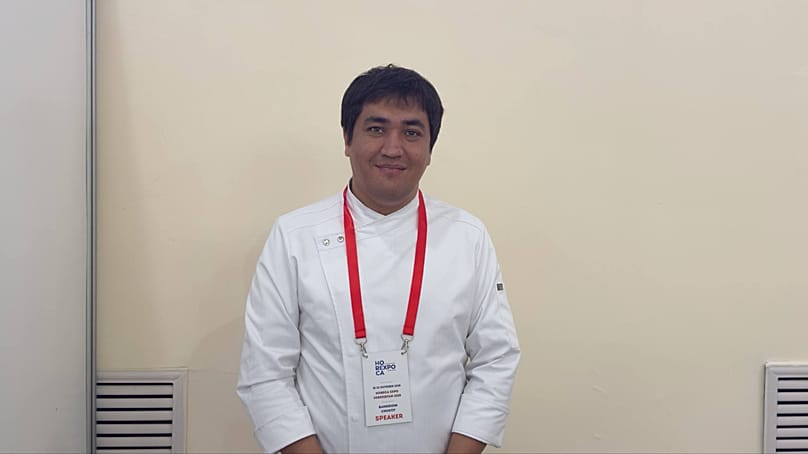
Chef Bakhriddin Chustiy also emphasized the importance of promoting Uzbek cuisine as a representation of the country itself. “If Uzbek food is not yet famous everywhere, it’s not because of its flavor,” he said. “Uzbekistan is still a young country. As our image grows, our cuisine will grow with it. We must keep promoting it tirelessly.”
Chustiy sees every chef as an ambassador. Whether serving traditional dishes like plov or modern fusion creations, he says the goal is the same — to make Uzbekistan recognized for both its hospitality and creativity.
Business Growth and Digital Innovation
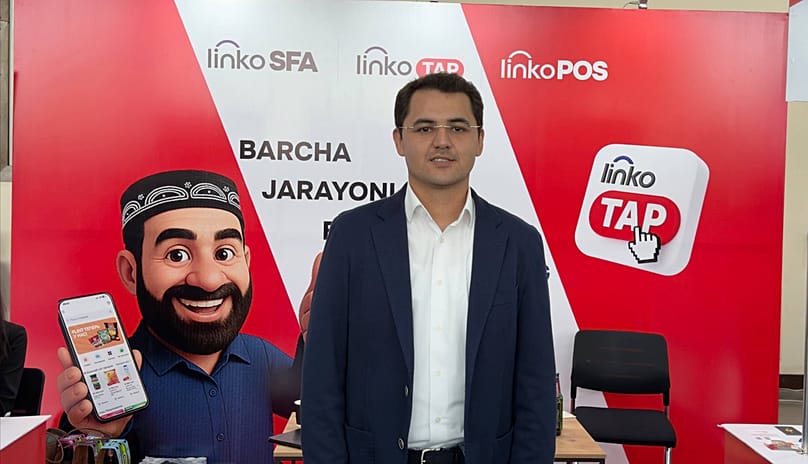
While chefs focused on taste and service, entrepreneurs discussed ways to enhance the efficiency of the restaurant business. One notable innovation was the local ecosystem Linko, which introduced LINKO-TAP, the only business platform in Uzbekistan designed specifically for restaurants, cafés, and hotels. The app connects suppliers directly with venues, allowing managers to order goods, track deliveries, and manage costs from one interface.
“We’ve been open only three months,” said Akmal Khamdamov, CEO of LINKO-TAP. “Our goal is to make wholesale trade as simple and transparent as online shopping. Suppliers can sell more, and restaurants can buy faster and at better prices.”
The platform already hosts over 250 suppliers and 15,000 products, serving more than 5,000 retail points across Uzbekistan. It works with both local and international producers, focusing on quality, service, and pricing.
Digital transformation is also making its way into restaurant management. Shelter, an international software company active in Uzbekistan, showcased tools that help cafés and hotels automate bookings, track inventory, and calculate profitability in real time.
“Our goal is to give businesses full control over operations so they can focus on service and creativity,” said Dmitry Romadenkov, Head of Business Development at Shelter.
Challenges and Opportunities in the Café Sector
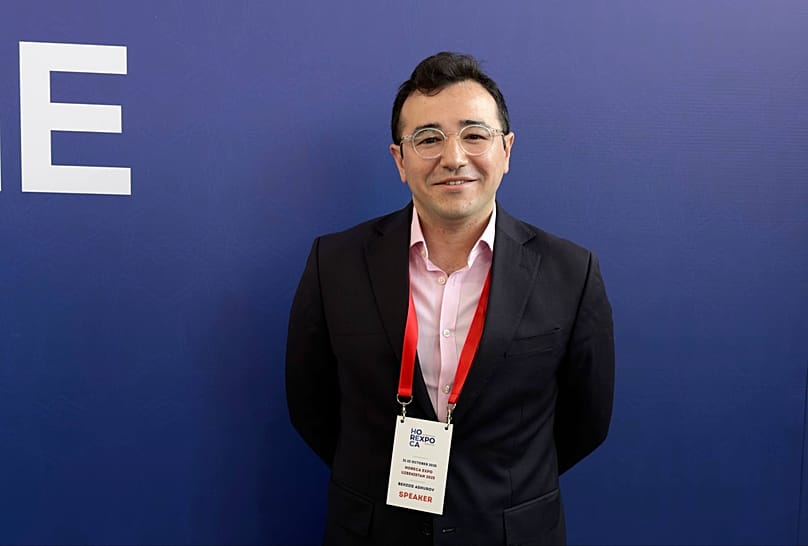
At the forum, business owners shared their experiences of balancing growth and staff development. Behzod Ashurov, founder of Bon Café, spoke about the challenges of managing expansion in a fast-developing economy.
“We’re growing and at the same time developing our people to manage that growth,” he said. “It’s a unique challenge – not many economies are developing this fast.”
Ashurov, who previously ran restaurants in the UK, has now based his operations fully in Uzbekistan and plans to expand to Kazakhstan, Azerbaijan, and eventually Europe.
Regional Collaboration and Future Prospects
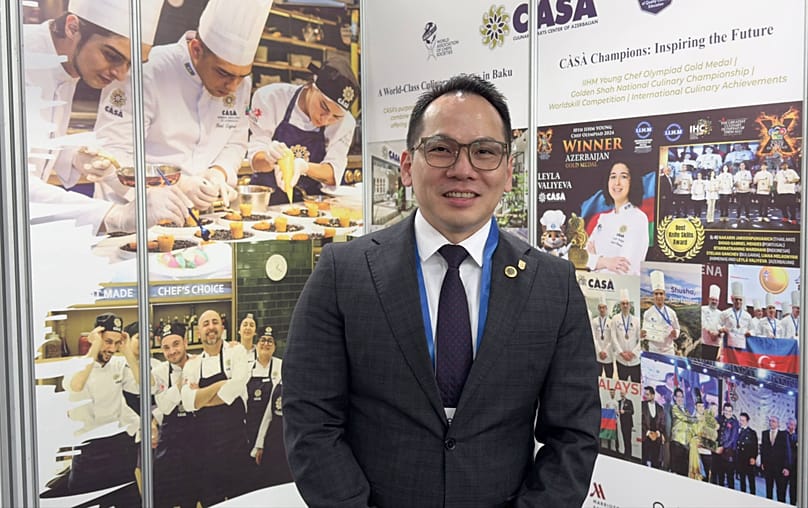
The event also attracted participants from across the region. The Culinary Arts Center of Azerbaijan, the country’s first private culinary school, joined the exhibition for the first time. Director Kelvin Chong highlighted the opportunities for collaboration between neighboring markets.
“We see many opportunities here,” he told Euronews. “There’s talent, motivation and a fast-growing tourism sector. It’s a good moment for collaboration.”