How to Cook with Stainless Steel – The Smart Way to Cook
Understanding The Beauty Behind The Metal
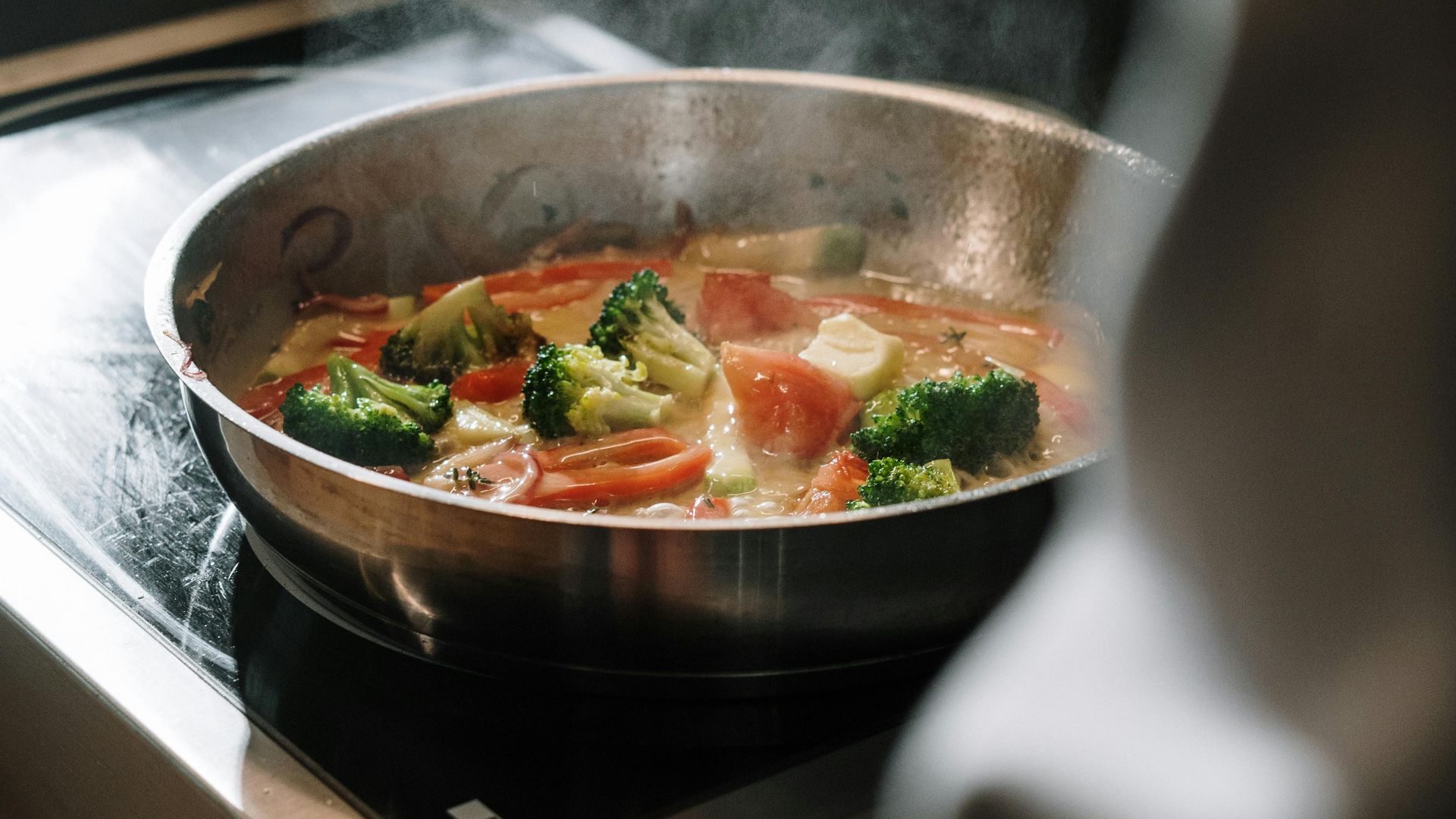
Stainless steel gives you direct control over the cooking process. Unlike nonstick pans, which create a barrier between your food and the heat, stainless steel lets your ingredients touch the hot metal surface. That direct contact helps develop deeper flavor and better browning—especially when searing meat or caramelizing vegetables.
When you sear a steak or sauté mushrooms on stainless steel, you’re developing what chefs call the fond—those golden-brown bits that stick to the bottom. They might look like a mess at first, but deglaze them with a splash of wine or stock, and they transform into a silky sauce layered with flavor.
Learning The Right Way
If you’ve ever cooked on stainless steel and watched your food stubbornly stick to the pan, you’re not alone. It’s the most common frustration beginners face. The secret lies in preheating. Stainless steel expands when it’s heated to close its microscopic pores. When it reaches the right temperature, oil glides over it like glass and creates a temporary nonstick surface.
Here’s a simple trick: before adding oil, sprinkle a few drops of water onto the pan. If they dance and glide across the surface, it’s ready. If they evaporate instantly, it’s too hot; if they just sit and sizzle, it’s too cold. Once you find that sweet spot, you’ll notice how smoothly your food releases and browns. That’s the magic of thermal control.
And unlike coated pans, you can crank up the heat without worry. That high tolerance makes stainless steel perfect for searing meats or achieving that restaurant-style crust on scallops. Over time, you’ll begin to “feel” the pan’s readiness instead of guessing.
Why It’s Worth The Switch
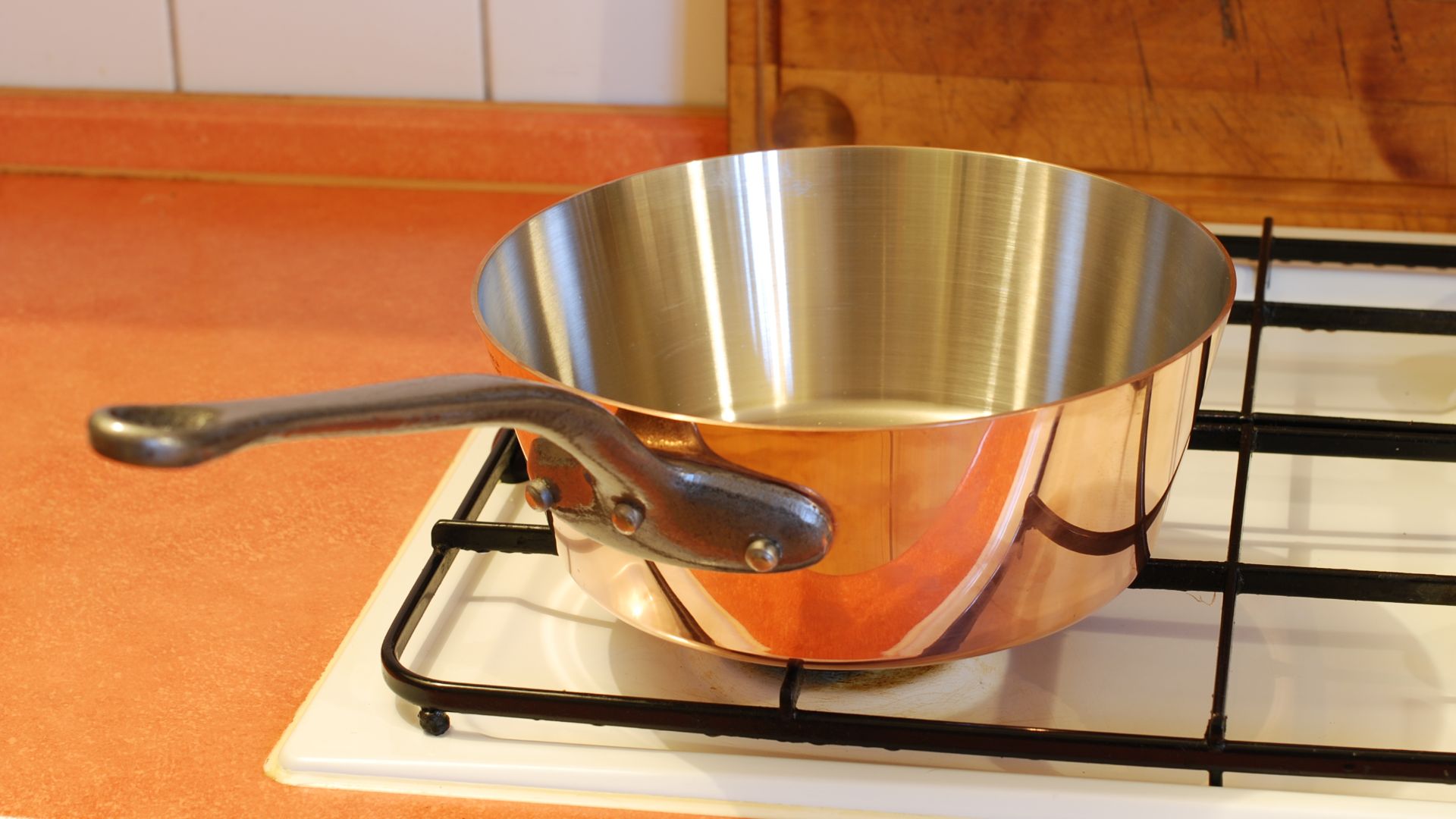
Sure, stainless steel might ask a little more of you—it’s not a “grab and go” kind of tool. But in exchange, it offers something precious: skill. It makes you more intentional and far more capable as a cook. Every time you use it, you learn something about patience.
There’s also the health and environmental side to consider. Stainless steel doesn’t leach chemicals or degrade over time. It’s free of coatings that can flake or emit fumes, which makes it one of the safest, most sustainable materials in any kitchen. And because it lasts decades, it reduces the cycle of disposal and replacement—something our planet could use a lot more of.
Tips for Mastering Stainless Steel Cooking
- Preheat properly: Always let the pan heat up before adding oil or food. This ensures the surface is ready for cooking and prevents sticking.
- Use the water test: Sprinkle a few drops of water on the pan. If they sizzle and slide, the pan is ready. If they evaporate quickly, it’s too hot. If they just sit and sizzle, it’s not hot enough.
- Avoid using metal utensils: While stainless steel is durable, using metal tools can scratch the surface over time. Opt for wooden or silicone utensils instead.
- Deglaze the pan: After cooking, use a splash of liquid like broth or wine to loosen the fond and create a rich sauce.
- Clean with care: Use a soft sponge or cloth to avoid scratching the surface. Avoid abrasive cleaners that can damage the finish.
The Benefits of Using Stainless Steel Pans
- Durability: Stainless steel is resistant to rust, corrosion, and warping, making it a long-lasting investment.
- Even heat distribution: High-quality stainless steel pans often have an aluminum or copper core, which ensures even heating across the entire surface.
- Versatility: These pans can be used on stovetops, in ovens, and even under broilers, making them suitable for a wide range of cooking methods.
- Easy to clean: While they may require some effort, stainless steel pans are generally easier to clean than nonstick alternatives once you get the hang of it.
- No chemical leaching: Unlike nonstick coatings, stainless steel does not release harmful chemicals when heated, making it a safer choice for everyday use.
By embracing stainless steel, you’re not just upgrading your cookware—you’re elevating your cooking skills and creating a healthier, more sustainable kitchen environment. With a little practice and patience, you’ll discover why this timeless material has been a favorite among chefs for generations.
