Ian Woosnam's Biggest Money Mistake: Changing His Swing
Early Life and Financial Lessons
Ian Woosnam, a renowned golfer, achieved the world No 1 status in 1991, sharing the spotlight with legends like Seve Ballesteros, Nick Faldo, Bernhard Langer, and Sandy Lyle. At that time, he was already the first golfer to win £1 million in prize money in a single year. His accomplishments include being a US Masters champion, a member of five Ryder Cup-winning teams, and being inducted into the World Golf Hall of Fame in 2017. Currently, he continues to play golf and lives in Jersey with his wife, Glendryth.
One of the most important lessons Ian learned from his parents was that money doesn’t grow on trees and that hard work is essential for success. His parents, Harold and Joan, were farmers who lived by these principles. They instilled in their four children the value of hard work, requiring them to help out on the farm, whether it was baling hay or milking cows. This experience taught him the importance of contributing to the family’s efforts.
First Job and Career Path
At the age of 16, Ian started his first job at the Hill Valley Golf Club in Whitchurch, Shropshire. He took on various roles, including managing the pro shop, working the bar, and even cleaning floors. Eventually, he worked on the golf course in the mornings, driving tractors to mow fairways and greens, and had afternoons free to play golf. His weekly pay was £5 for digs and £5 for food. He would often go to the bar in the evening and offer to play members for a few quid, which he found to be a fun way to earn extra money.
Ian always knew he wanted to become a professional golfer from the age of 14. He viewed his career as a mountain that needed to be climbed in stages. His friend, Scottish pro golfer Sandy Lyle, was a valuable sparring partner, and they played a lot of golf together. Even if he hadn’t made it as a pro-golfer, he was determined to find a way to stay involved in the golf business.
Financial Challenges and Success
Ian faced financial struggles during his early years, traveling in a VW caravan around Europe to play in small tournaments. There were times when he lived off eggs, bacon, and baked beans. One memorable trip involved driving from Inverness to Milan to participate in the Italian Open, which was a challenging but rewarding experience.
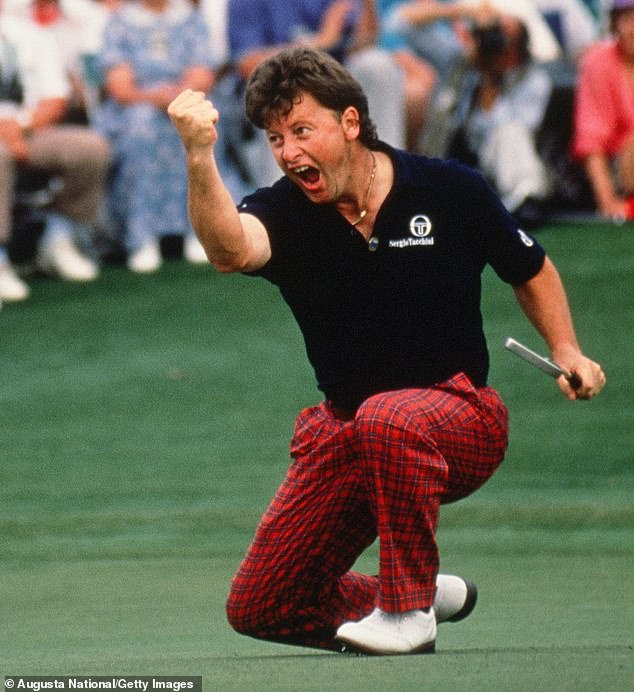
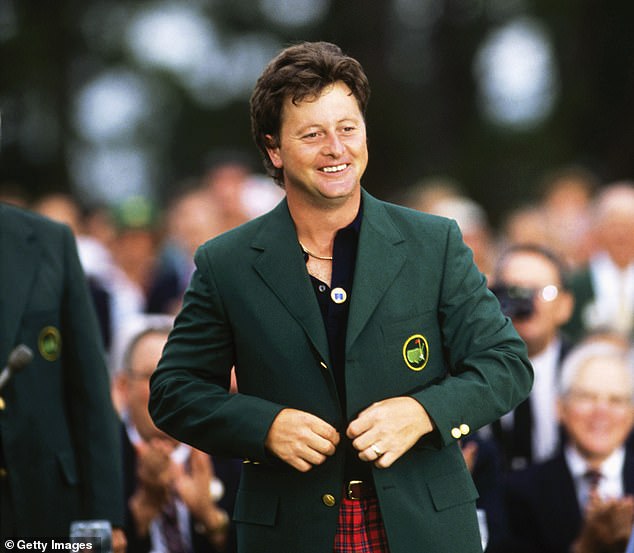
He considers 1987 to be his best year financially, winning eight tournaments, including the winner-takes-all Million Dollar Challenge at Sun City, South Africa. However, his most proud moment was winning the US Masters in 1991, which solidified his place as world number one.
Saving and Financial Decisions
Throughout his career, Ian has been a saver rather than a spender. He believes in preparing for the future, as his career at the top is short-lived. He emphasizes the importance of saving to avoid financial problems later in life. His good accountants and tax advisers have helped him make smart financial decisions, such as avoiding unnecessary taxes.
However, not all his decisions were perfect. Changing his swing after winning the Masters was a costly mistake, as it affected his performance. He also struggled with the limelight, finding it difficult to enjoy the same simple pleasures, like going down the pub with friends.
Property and Lifestyle
Ian owns a lovely five-bedroom house overlooking the sea in Jersey, near La Moye Golf Club. He also has a home in Barbados since 1995, offering a sea view and helping with his back issues. The most expensive thing he bought for fun was a plane, which makes travel easier and offers tax savings.
Pension and Future Plans
Ian has several pensions, which he started taking when he began earning. His father ensured he received proper financial advice, and he values this guidance. If he were Chancellor, he would advocate for scrapping inheritance tax on farmers, believing it is unfair for those who dedicate their lives to the land.
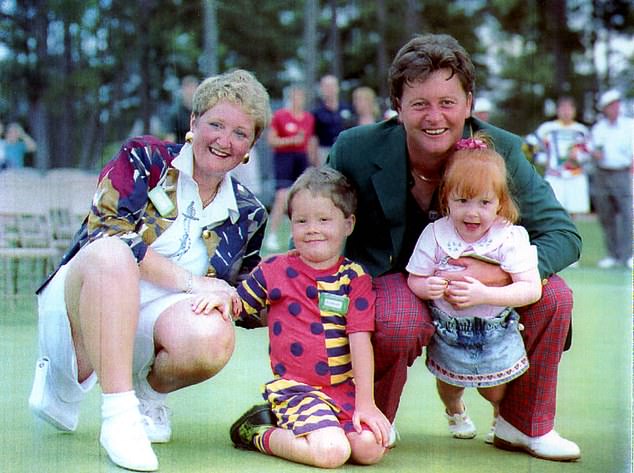
His top financial priority is his family. He plans to leave his money in a trust for his three children and grandchildren, hoping it will last for generations.
