Inside Melbourne's 30km/h speed limit overhaul: 'Ridiculous'
Melbourne's Proposed Speed Limit Reduction: A Step Toward Safer Streets or a Burden on Taxpayers?
Melbourne is considering a significant shift in its approach to road safety, with a proposal to reduce suburban speed limits to 30km/h. This initiative, part of the Infrastructure Victoria 2025–2055 Draft Strategy, aims to make neighborhoods safer for children and improve overall road conditions. However, the plan has sparked debate among residents and experts alike.
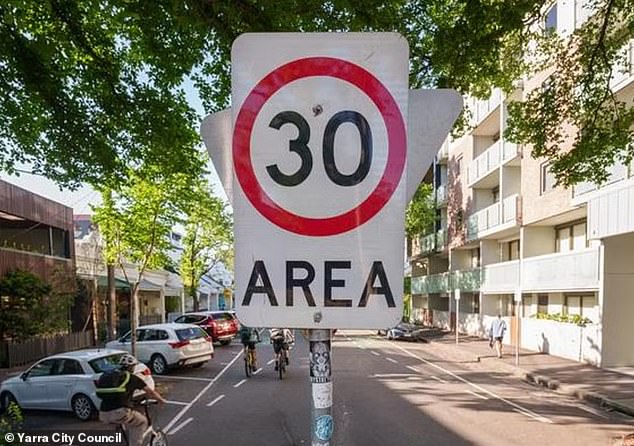
The proposal suggests that local streets currently limited to 50km/h or less should be lowered to 30km/h. Major roads and highways would remain unaffected unless they pass through areas with high pedestrian activity. The goal is to create a safer environment for children, particularly around schools, playgrounds, childcare centers, and kindergartens by 2030. According to the report, "Victoria's neighbourhoods should be safe for people to travel and for children to play."
Despite the potential benefits, the cost of implementing these changes could be substantial. The plan estimates that it may cost taxpayers up to $45 million to roll out the new speed limits across the city. This figure includes the necessary infrastructure upgrades, signage, and enforcement measures required to ensure compliance.
In addition to the speed limit reductions, the draft strategy also calls for a major investment in cycling infrastructure. The proposal recommends an investment of up to $620 million over the next decade to develop 250 kilometers of new bike corridors across Melbourne and regional centers. The aim is to address the current shortcomings in the state’s cycling network, which is described as "disconnected" and "low-quality." Issues such as narrow lanes, obstacles from parked cars, and sudden ends to bike paths are highlighted as key challenges.
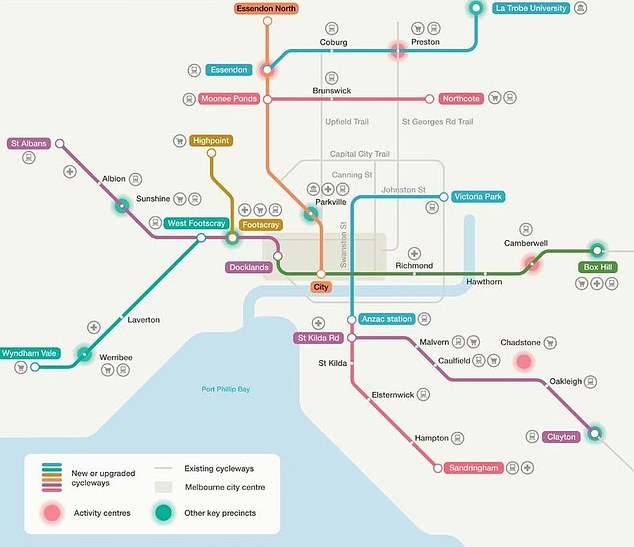
The report estimates that building a safe cycling network across the state would cost between $500 million and $620 million over 10 years. This investment is seen as essential to encourage more people to cycle, thereby reducing traffic congestion and improving public health.
However, not everyone is convinced that the proposed changes will have the desired effect. Critics argue that lower speed limits could lead to increased frustration among drivers, especially on empty roads where slower speeds may seem unnecessary. David Limbrick, leader of the Libertarian Party, has called the idea of lowering speed limits to 30km/h "ridiculous." He argues that driving slowly can be difficult and frustrating, particularly when there are no other vehicles on the road.
Limbrick also points out that drivers who follow the rules today could face fines of up to $400 under the new limits. For many, such penalties could be financially devastating. He questions whether the proposed changes are truly beneficial or if they are just another bureaucratic burden for Victorian drivers.
The debate surrounding the speed limit reduction raises several important questions. Will the proposed changes transform suburban streets into safer havens for children and pedestrians, or will they lead to commuting chaos? Are lower speed limits the ultimate solution for cyclist safety, or are they just another layer of complexity for drivers?
Other cities around the world are also experimenting with similar measures. For example, Sydney's bustling CBD has been considering a groundbreaking 30km/h speed limit to boost pedestrian safety. Meanwhile, Sydney's affluent eastern suburbs have recently decided to drop speed limits to 40km/h, sparking a wave of resident complaints.
In Scotland, a sweeping 20mph speed limit plan on urban roads is being considered as a way to significantly reduce road casualties by 2030. These global examples highlight the ongoing conversation about how best to balance road safety, driver convenience, and public health.
As Melbourne moves forward with its proposals, it will need to carefully weigh the potential benefits against the costs and concerns raised by the community. The success of this initiative will depend on how well it addresses the needs of all road users while maintaining the efficiency of the transportation system.
