J&T Express delivers 80 million parcels daily—how it rose to global courier dominance
The Rise of J&T Express in Singapore’s Logistics Landscape
E-commerce has transformed the way people shop, making it possible to access a wide range of products from the comfort of home. In Singapore, 80% of households shopped online last year, spending an average of S$707 each month on digital purchases. This trend highlights how deeply e-commerce has become embedded in daily life.
Behind this convenience are delivery platforms that ensure products reach customers quickly and efficiently. Consumers today expect fast, reliable, and seamless delivery services. One company that has consistently met these expectations is J&T Express, which positions itself as the “leading express delivery company by market share” in Southeast Asia.
Although not founded in Singapore, J&T Express has made a significant impact in the country. To understand its journey, we spoke with Tagore Zhao, Group Operations Director of J&T Express, about the company’s growth, innovations, and role in shaping Singapore’s logistics landscape.
From Jakarta to the World

J&T Express was founded in 2015 in Jakarta, Indonesia, by Jet Lee, former CEO of Oppo Indonesia, and Tony Chen, founder and CEO of Oppo. The company's name comes from the initials of its two co-founders. Its early expansion was significantly aided by Oppo’s existing regional network, which provided J&T with a strong foundation to extend its reach across Southeast Asia.
The brand benefited from Oppo’s established distribution network, including retail partners, transport routes, service points, and market knowledge. This gave J&T a head start, allowing it to quickly meet the growing demand for e-commerce.
Since then, J&T has grown into a global logistics powerhouse. Tagore shared that J&T now handles more than 80 million parcels daily, with peak volumes exceeding 100 million. In the first half of 2025 alone, total parcel volume grew 27% year-on-year to reach 13.99 billion, driven largely by strong performance in Southeast Asia, where volumes surged nearly 58%.
As of June 2025, J&T operates around 19,200 outlets and 239 sorting centres in over 220 countries and regions worldwide, supported by 337 automated sorting machines and over 12,100 line-haul vehicles.
Entering the Singapore Market
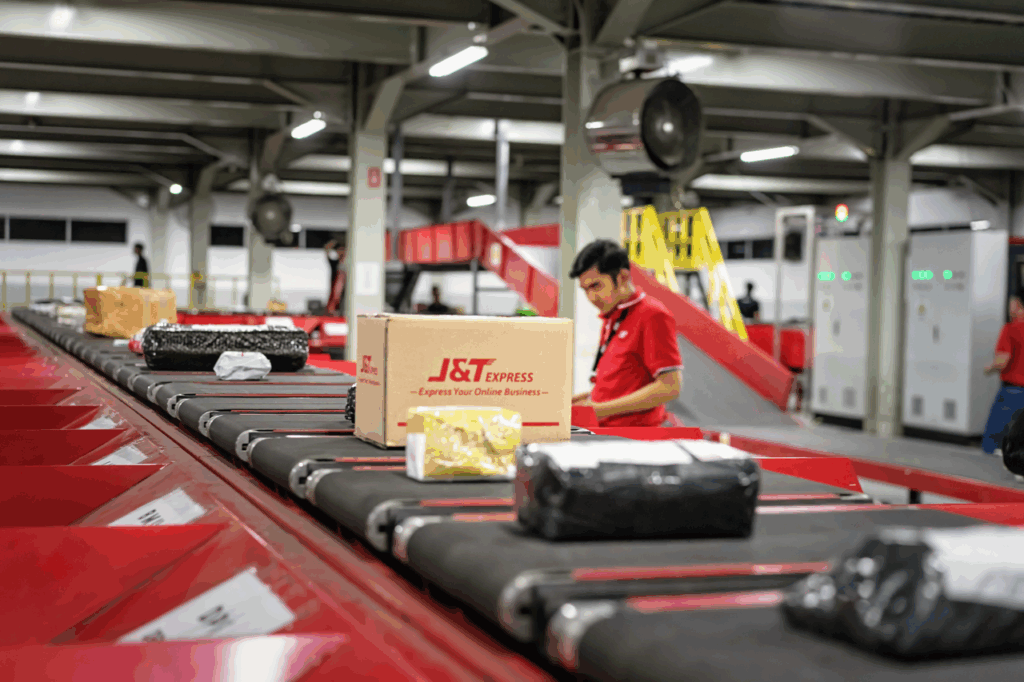
J&T only entered Singapore in 2020, at the height of the COVID-19 pandemic. By then, it had already established a presence in Vietnam, Malaysia, the Philippines, Thailand, and Cambodia. According to Tagore, Singapore was a “natural choice” for the company’s regional expansion due to its strategic location, world-class infrastructure, and strong e-commerce ecosystem. The surge in online demand during the pandemic also made the timing ideal.
From the start, J&T’s vision in Singapore went beyond just last-mile delivery. Over the years, the company has invested heavily in infrastructure, technology, and partnerships to build an end-to-end logistics ecosystem here that supports merchants while enhancing the consumer delivery experience.
However, expansion in Singapore required a different approach compared to larger markets. In places like China, Indonesia, and Malaysia, J&T focuses on scale by building sorting hubs, expanding fleets, and handling high parcel volumes across diverse geographies. In Singapore, where advanced infrastructure already exists in such a small country, the company’s long-term strategy focuses on service quality, innovation, and precision rather than geographic expansion.
“We focus on enhancing reliability and strengthening e-commerce partnerships for fulfillment and cross-border delivery solutions,” Tagore shared.
Digitalisation & Innovation Are Key Priorities

In Singapore’s crowded logistics scene, competition is intense, from local delivery startups to established global players. Yet J&T’s expansion strategy appears to be paying off. The company currently operates over 400 delivery points, two sorting hubs, and a fulfillment center that offers international delivery services to customers locally and regionally, including Indonesia, Vietnam, Malaysia, Thailand, the Philippines, Cambodia, and China.
To optimize operations, its fulfillment center is equipped with a digital e-commerce warehouse management system, which streamlines everything from inventory and order management to transport flows and last-mile deliveries.
Digitalization and innovation remain key priorities for the company. It continues to invest in automation, including smarter routing systems, AI-driven sorting, and real-time parcel tracking—all aimed at improving delivery speed and consistency while keeping costs low.
Thanks to these ongoing investments and operational best practices adapted from its China operations, J&T has managed to reduce its cost per parcel by 16.7% year-on-year in Southeast Asia as of mid-2025.

The systems that J&T has adopted are especially crucial as parcel volumes continue to grow. Tagore shared that parcel volume in Singapore rose 66.7% year-on-year from 2024 to 2025. Volumes also surge during major e-commerce events, including 9.9, 10.10, and 11.11.
A major driver of J&T’s parcel volume growth has been the continued boom in e-commerce, with Tagore noting that Singapore’s e-commerce market is expected to reach S$37.5 billion (US$28.9 billion) by 2030, growing at an 8% compound annual growth rate (CAGR). More Singaporeans are shopping online, supported by high smartphone penetration rates, mobile-optimized platforms, and rising comfort with digital payments.
Social commerce is also on the rise in Singapore, growing at a CAGR of 16% and could double to US$6.6 billion (SG$8.47 billion) by 2030. This growth has fostered new buying behaviors, particularly through livestream and influencer-driven sales, resulting in more frequent parcel orders.
Providing Merchants with an Integrated Fulfillment Platform
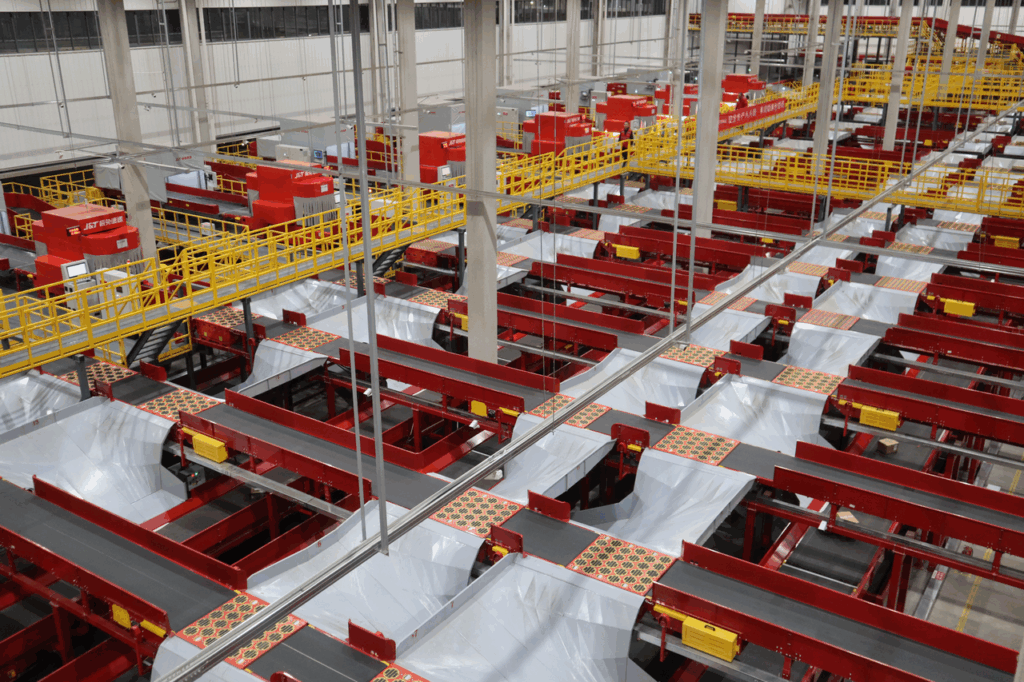
Beyond helping optimize its own operations amid the e-commerce boom, J&T’s digital platform also benefits sellers, making it highly appealing. It provides merchants with full visibility to manage orders, track inventory, and monitor deliveries in real-time.
“As a partner-agnostic logistics player, we have been able to foster strong partnerships with many of such e-commerce and social commerce platforms, as well as increasingly with retailers, to support their growth,” Tagore added.
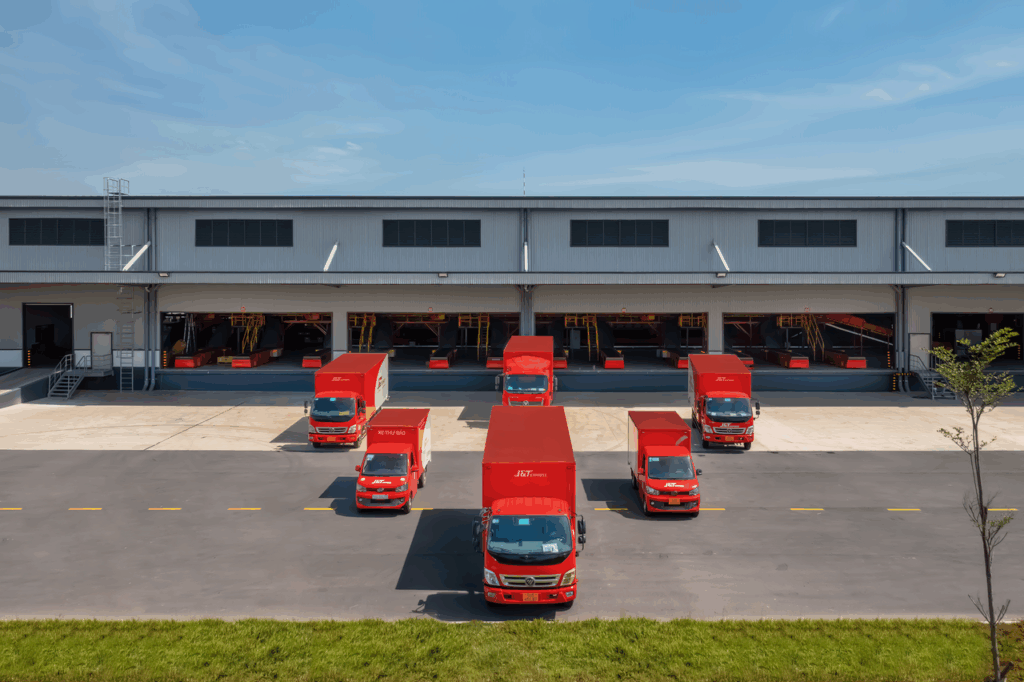
The company recently launched a same-day delivery service in Singapore for select sellers, with plans to expand gradually based on market demand. This has helped position J&T as a courier with one of the fastest delivery speeds.
“Speed is no longer a bonus—it’s the baseline,” said Tagore. “Over half of Singapore’s shoppers now expect sub-24-hour fulfillment across more categories.”
He noted that during recent sales, one of the fastest deliveries recorded in Singapore took just 2 hours and 48 minutes from purchase to doorstep—an example of how far logistics efficiency has come.
J&T’s extensive regional and cross-border network offers another key benefit for merchants. It allows Singapore-based sellers to reach customers beyond saturated markets, ensuring stable performance even during peak demand.
The company works closely with partners such as sellers on TikTok Shop, Sephora, Carousell, or even their merchants’ own proprietary platforms, providing last-mile delivery, warehousing, and cross-border fulfillment solutions.
The Road Ahead
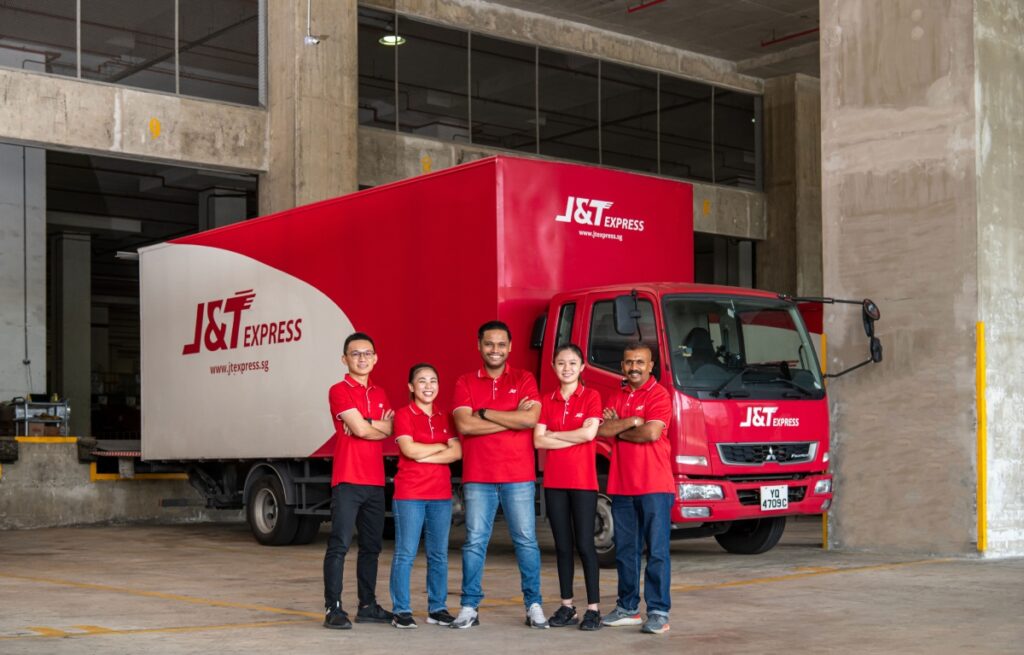
Looking ahead, Tagore shared that there is still considerable potential for J&T to expand more deeply into Singapore’s market. Over the next three to five years, he foresees Singapore’s logistics sector evolving alongside the country’s broader digital transformation, particularly as new national initiatives drive both digitalization and sustainability.
One example is shared digital systems like the Pick Network, which consolidates parcels to reduce repeated trips and improve efficiency.
“Things like digital mapping and route optimization help us plan better, reduce wasted trips, and make logistics more sustainable,” Tagore emphasized.
While J&T continues to grow in Singapore, the company is also expanding its footprint beyond Asia, with new markets in the Middle East and Latin America now contributing significantly to profitability, Tagore shared.
These countries generated US$360 million in revenue in the first half of 2025, up 24.3% year-on-year, with parcel volumes rising 21.7% to 170 million.
That said, each market presents unique challenges, and as such, J&T tailors its approach to each market, embedding its operations within the local infrastructure and consumer habits.
In Brazil, for instance, the company has constructed logistics infrastructure like sorting hubs and fulfillment centers across the country to balance long-haul deliveries near the Amazon rainforest regions with dense urban routes.
Whereas in Indonesia, geography demands flexibility to accommodate the thousands of islands in the archipelago. Hence, J&T has built an extensive transport network that supports island-to-island deliveries and helps local e-commerce sellers reach customers beyond major city centers.
Tagore emphasized that this hyperlocal approach—adapting operations to each market’s geography, consumer habits, and infrastructure—has been central to J&T’s success.
