Top Obesity Doctor's Secret Weight Loss Diet Revealed
A New Approach to Weight Loss
A top obesity doctor has shared the meal plan he recommends for his patients aiming to lose weight. Dr Spencer Nadolsky, an obesity specialist and founder of virtual health clinic Vineyard, revealed that there are no foods he discourages his patients from eating during their weight loss journey.
He explained: 'There are actually no foods I have off limits when it comes to fat loss or weight loss.' However, he emphasized the importance of a whole food, nutrient-dense diet. This includes lean proteins, vegetables, and fruits, which help people feel full with fewer calories. That's a great way to start.
Dr Nadolsky is referring to the concept of eating in a calorie deficit, where you burn more calories than you consume. In the US, health authorities recommend women get around 1,600 to 2,400 calories a day, while men need 2,200 to 3,000, depending on their activity level, to maintain weight.
To lose weight, it's generally advised to cut about 500 calories per day. Along with regular exercise, experts typically recommend emphasizing foods high in protein and fiber to maintain a calorie deficit. These foods increase satiety or fullness without the need for extra calories.
Recent research also shows that restricting specific foods instead of eating them in moderation increases cravings and poor eating habits.

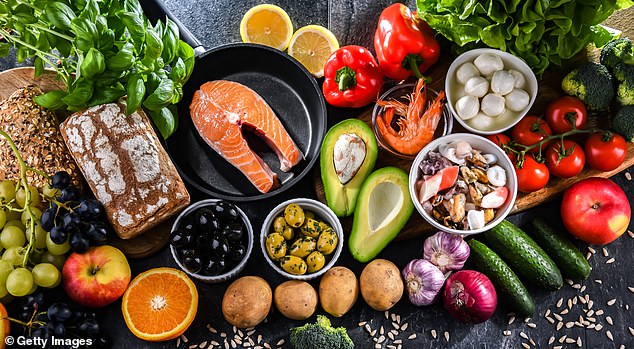
In a TikTok video, Dr Nadolsky said: 'I don't like to put any types of foods on a pedestal and tell my patients they can't have them because then, oftentimes, they'll want them even more. I give my patients permission to eat any foods while trying to focus on those whole, nutrient-dense types of foods. When you look at the research, there is literally no food that will prevent you from losing weight as long as you're eating fewer calories.'
His recommendation comes as a record three in four adults in the US are considered overweight or obese, meaning they have a body mass index (BMI) over 25.
The Mediterranean Diet: A Leading Plan
In recent years, the Mediterranean diet has emerged as a leading plan for whole, unprocessed foods. The diet was crowned number one with a score of 4.8 out of five in US News and World Report's 2025 'Best Diets Overall' ranking.
The eating plan is based on traditional regional diets in Greece, Italy, Spain, and Turkey, largely emphasizing plant-based foods like dark, leafy greens, fruits, whole grains, and healthy fats such as olive oil. It also focuses on lean protein sources like poultry rather than red meat.
Foods in the Mediterranean diet have consistently been shown to improve weight loss and conditions linked to obesity.

Benefits of the Mediterranean Diet
In a study published earlier this year, researchers at Harvard University looked at nearly 5,000 people who were either overweight or obese. The team found those who followed a Mediterranean diet, combined with exercise and calorie restriction, were 31 percent less likely to develop diabetes than those in a control group.
These participants also lost seven pounds on average and reduced their weight circumference by 1.4 inches, five times more than the control group.
In terms of moderation versus restriction, a recent review found limiting intake of 'junk' foods raised the risk of overeating and picking up other unhealthy habits such as smoking or drinking alcohol.
The Future of Health and Weight Loss
Could decades of diet fads be leading us astray when the secret to longevity and health has been the Mediterranean diet all along?
Could the 'Harvard Diet' be your ultimate path to lasting heart health and sustainable weight loss without cutting your favorite food groups?
Could embracing a Mediterranean diet be your passport to a longer life, as scientists uncover its substantial health benefits?
Could following an ancient diet revolutionize your health while banishing obesity, diabetes, and heart disease?
Could the Mediterranean diet be your magic bullet against diabetes when combined with exercise and a calorie deficit?
