Tuberculosis Cases and Deaths Drop in 2024, Yet Experts Remain Concerned
Global Tuberculosis Cases Decline for the First Time Since the Pandemic
In a significant development, the number of new tuberculosis (TB) cases worldwide has decreased for the first time since the onset of the COVID-19 pandemic. This decline was observed as global efforts to diagnose and treat TB rebounded after years of disruption caused by the pandemic.
According to a recent analysis by the World Health Organization (WHO), the rate of new TB cases fell by nearly 2 per cent in 2024, while deaths from the disease dropped by 3 per cent. The WHO, which monitors TB in over 180 countries, reported that approximately 10.7 million people developed TB last year, with 1.23 million deaths recorded. This marks a slight improvement compared to the previous year, when 10.8 million people were affected and 1.25 million died from the disease.
Dr Tedros Adhanom Ghebreyesus, the WHO Director-General, expressed cautious optimism about the progress made. “Declines in the global burden of TB, and progress in testing, treatment, social protection, and research are all welcome news after years of setbacks, but progress is not victory,” he said.
Despite being preventable and curable, TB continues to claim over a million lives annually, a fact that Dr Tedros described as “unconscionable.” He emphasized that the fight against TB must continue with renewed determination.
Understanding the Disease
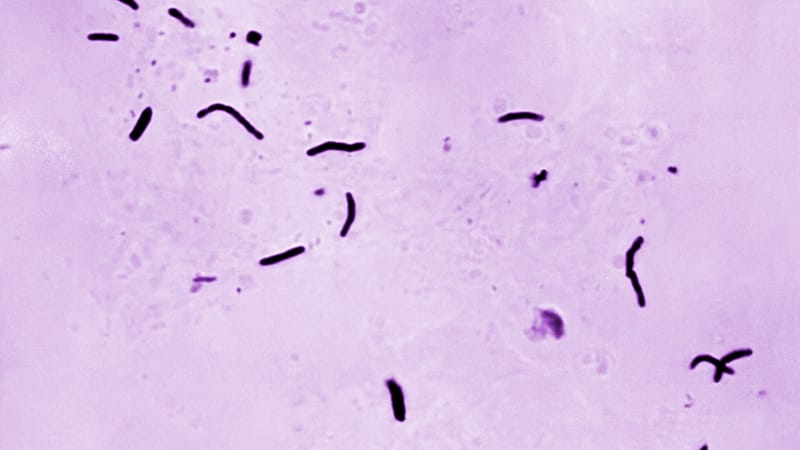
Tuberculosis is caused by a bacteria that primarily affects the lungs and spreads through the air. It is estimated that a quarter of the world’s population has been infected with TB bacteria, although most individuals do not show symptoms. The bacteria can remain dormant in the body for years before becoming active.
TB is often referred to as a “social disease” due to its strong links with poverty. It spreads easily in crowded environments and poses a higher risk to individuals with weakened immune systems or those suffering from malnutrition.
Key Countries Affected
Last year, two-thirds of new TB cases were concentrated in just eight countries: India, Indonesia, the Philippines, China, Pakistan, Nigeria, the Democratic Republic of the Congo (DRC), and Bangladesh. These nations face significant challenges in controlling the spread of the disease due to factors such as limited healthcare access and socio-economic disparities.
Challenges Ahead
The WHO has warned that cuts to global health programs this year could jeopardize progress in combating TB. Studies suggest that reduced funding from wealthy countries could result in up to two million additional TB-related deaths and 10 million new infections over the next decade.
Dr Tereza Kasaeva, who leads the WHO’s work on HIV, TB, hepatitis, and sexually transmitted infections (STIs), highlighted the importance of political and financial commitments. She described the current moment as a “defining moment in the fight against TB” and called for urgent action to end this ancient killer once and for all.
Conclusion
While the recent decline in TB cases is a positive sign, it is clear that much work remains to be done. Continued investment in research, treatment, and public health initiatives is essential to ensure that the progress made is sustained and expanded upon. The global community must come together to address the root causes of TB and protect vulnerable populations from its devastating impact.
