Why Biscoff Is Taking Over Singapore Now
The Rise of Biscoff: From Airplane Snack to Global Sensation
If you've stepped outside recently, you might have noticed that Biscoff cookies are everywhere. From Biscoff coffee and Biscoff spread to Biscoff ice cream, the brand has taken the world by storm. Even fast-food giants like McDonald's and Tim Hortons have jumped on the bandwagon, creating a buzz among customers who can't get enough of this spiced treat.
While matcha everything and Dubai chocolate may have been popular in the past, Biscoff is now the new trend. But how did this simple cookie become a billion-dollar phenomenon? Let’s explore the history of this beloved brand.
Humble Beginnings
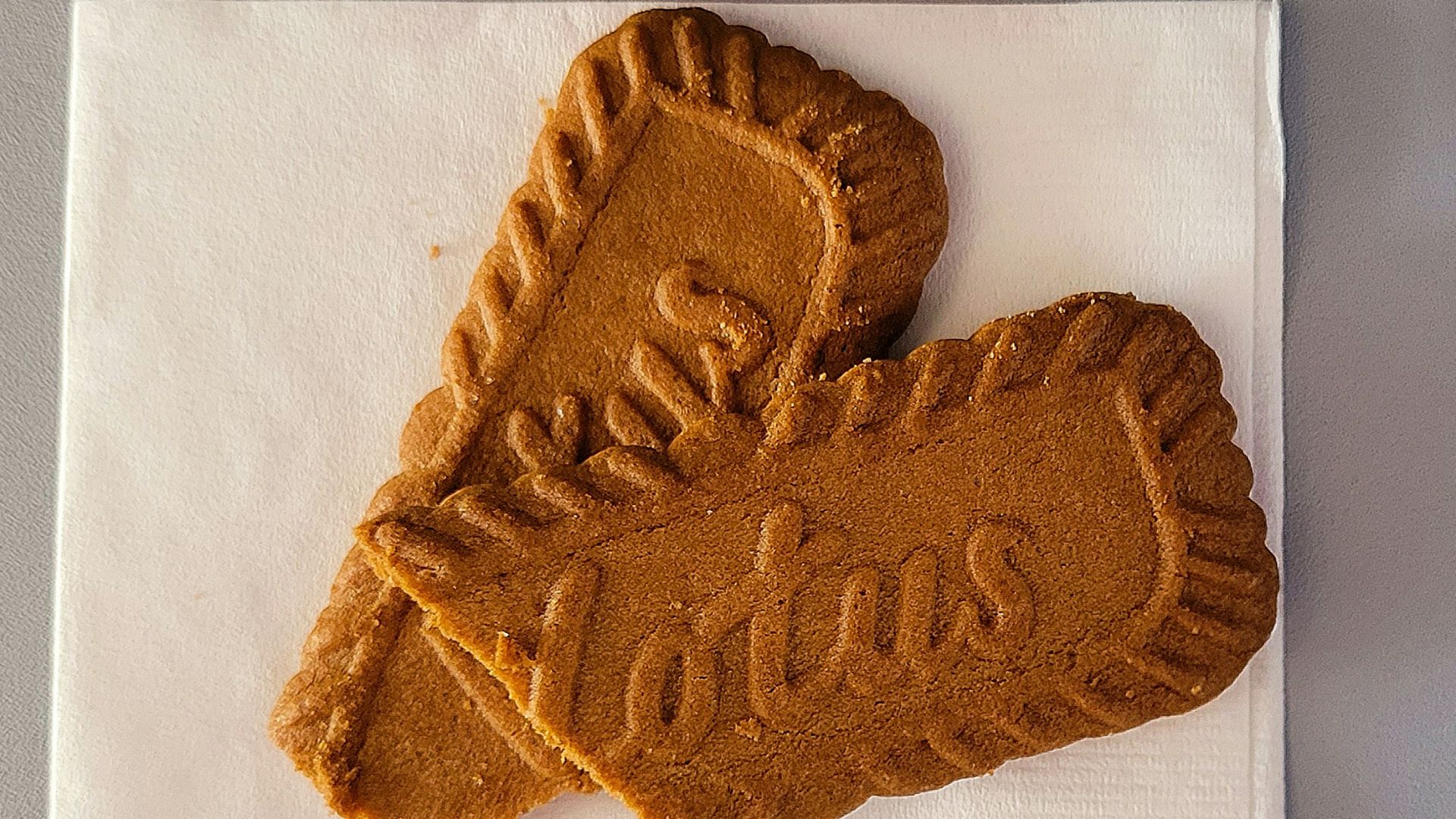
The story of Biscoff begins with Lotus Bakeries, founded in 1932 by Belgian brothers Jan, Emiel, and Henri Boone. The name "Lotus" was chosen to symbolize purity. However, it wasn’t until the 1950s that the company truly started to gain traction.
During this time, Lotus began packaging their speculoos biscuits individually. Speculoos is a traditional cinnamon-spiced cookie popular in Belgium and the Netherlands, often enjoyed around Sinterklaas Day (December 6). This simple, spiced cookie became a natural companion for coffee and other hot beverages.
The name "Biscoff" is a portmanteau of "biscuit" and "coffee." The branding was officially established in 1986. Since then, Biscoff has become a staple in European coffee shops and on international flights. In 2007, a Biscoff spread was introduced to compete with Nutella, and in 2019, the first U.S. factory opened, making the product more accessible to people outside of flights.
The Secret to Biscoff’s Success
Biscoff’s success isn’t just about taste. Its association with air travel and the glamour that comes with it adds an element of exclusivity. Biscoff isn’t something you buy—it’s something you’re given. This perception makes it feel more expensive than it actually is, contributing to its appeal as an affordable yet luxurious treat.
From Airplane Treat to International Phenomenon
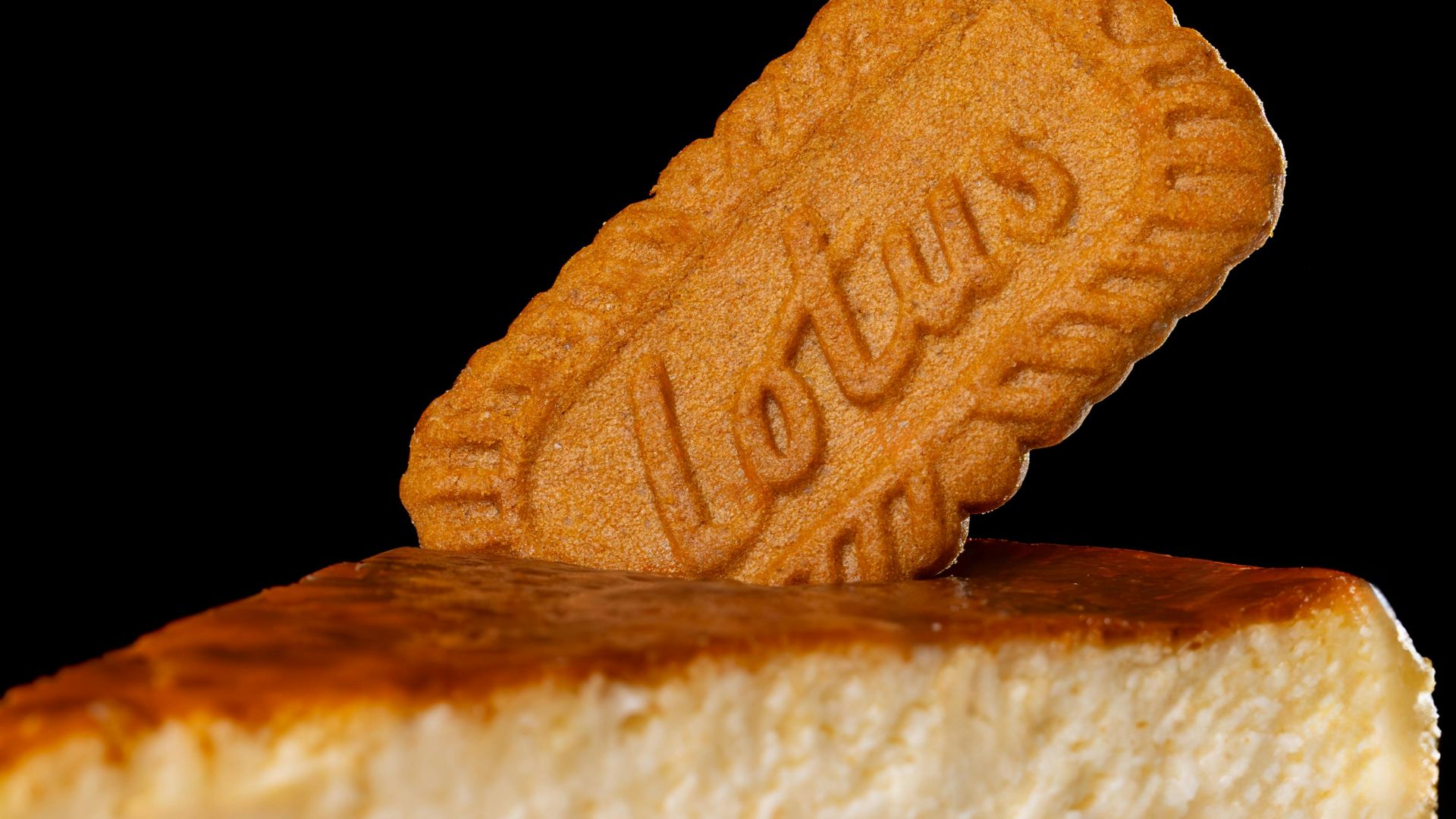
Biscoff’s rise to global fame was partly driven by virality. The brand was already well-known before it gained massive popularity on TikTok. Collaborations with other big names like Krispy Kreme, KitKat, and McDonald's helped boost its visibility.
Lotus Bakeries has also excelled in marketing. Biscoff products tend to be most popular during colder months when people drink more coffee and look for something to pair with it. This seasonal approach is similar to pumpkin spice, which dominated the 2010s.
Biscoff also capitalizes on holidays. People often want something to snack on while traveling or to bring as a gift. Recent supermarket pop-ups have included events for Diwali and Ramadan, further expanding its reach.
What salted caramel was to the 2010s, Biscoff is to the 2020s. It has become emblematic of an era, representing a unique blend of nostalgia and modernity.
Exploring New Flavors and Creations
Part of Biscoff’s appeal lies in its versatility. The cinnamon-caramel flavor complements sweeter tastes like vanilla and chocolate. Its sturdy structure gives it better structural integrity than, say, Oreos, making it ideal for baking and cooking.
Fans have created a variety of recipes, from Biscoff cheesecakes and espresso martinis to even lasagnas—though these are more like tiramisu than savory meals. The possibilities are endless, and this creativity has helped keep the brand fresh and exciting.
Aiming for the Top
Biscoff’s ambition doesn’t stop at being a popular snack. Lotus Bakeries hopes to become the third-largest cookie brand in the world, behind Chips Ahoy! and Oreo. Considering its current success, this goal seems more achievable than ever. With its rich history, clever marketing, and endless potential for innovation, Biscoff is well on its way to becoming a household name worldwide.
