Younger Singaporeans Most Targeted by Scams, Half Lost Money Last Year
Young Adults Face Greater Risk from Scams Than Older Generations
New data highlights a concerning trend: young adults are now more vulnerable to scams than older generations. According to a report by fraud prevention company Featurespace, nearly half of individuals under 35 have been victims of financial fraud in the past year. This figure stands at 47 per cent for those under 35, compared to just 15 per cent among people over 55.
Despite being seen as tech-savvy, younger generations are falling prey to increasingly sophisticated scams. Scammers are leveraging social media platforms to deceive people into handing over their money. These scams range from fake ticket sales for concerts or events—where victims never receive the tickets—to fraudulent investment schemes that can steal hundreds of thousands of pounds.
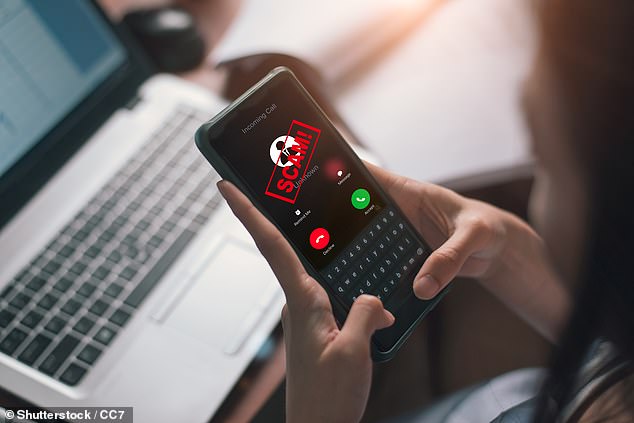
Young adults also tend to lose more money to scammers than their older counterparts. The research shows that individuals under 35 lost an average of £3,070 in the past year, while those over 55 lost £1,760 on average. A poll of 2,000 consumers revealed that four out of five households believe there has been a noticeable increase in scam attempts over the past year. Tricksters are constantly finding new ways to exploit unsuspecting victims and drain their savings.
In the first half of the year alone, nearly £630 million was stolen from consumers, according to UK Finance's half-yearly scam report. Fake website scams are particularly prevalent among young adults, with one in three victims reporting that they were deceived through this method. These scams involve creating websites that mimic legitimate companies, tricking users into providing personal and financial information. Victims may end up paying for products or services that never arrive.
Common red flags include unusually low prices, unusual payment methods such as gift cards or Bitcoin, and error messages prompting users to click on suspicious links. Other popular scams include investment opportunities and cryptocurrency frauds, both of which affected more than one in five young adults.
The use of artificial intelligence in scams is raising concerns among consumers. Almost nine in ten people are worried about how advanced AI-driven scams have become. Jason Blackhurst, head of Featurespace, stated, "Young consumers are losing thousands to increasingly sophisticated scams. With Black Friday and Christmas around the corner, banks must act fast."
Experts are urging shoppers to be vigilant during the festive season, as purchase scams are on the rise. According to a report from the Global Anti-Scam Alliance (GASA), 45 per cent of people have experienced shopping scams at least once in the past 12 months. These scams typically involve paying for an item or subscription that is never delivered. They fall under the category of authorised fraud, where victims are tricked into sending money to someone they believe is legitimate.
If you fall victim to an authorised push payment (APP) scam and did not act with 'gross negligence', you may be eligible for reimbursement of up to £85,000 under recent regulations. If you have been scammed, it is crucial to contact your bank immediately. You should also report the incident to Action Fraud. Visit www.actionfraud.police.uk or call 0300 123 2040 for assistance.
Have you recently lost money to a scam? Share your experience with us at l.evans@dailymail.co.uk.
