AI Music Traps 97% - Can You Spot the Fake?
The rise of artificial intelligence in the music industry has sparked a new debate about authenticity and transparency. With AI-generated tracks becoming increasingly indistinguishable from those created by humans, many listeners may not even realize they are listening to computer-generated music.
A recent survey conducted by Deezer, a French streaming platform, revealed that 97% of people could not tell the difference between AI-generated and human-made music. The study involved over 9,000 participants across eight countries, including the UK, US, Brazil, and Japan. Despite this high rate of confusion, 73% of respondents believed that streaming platforms should clearly indicate when AI-generated music is being played.
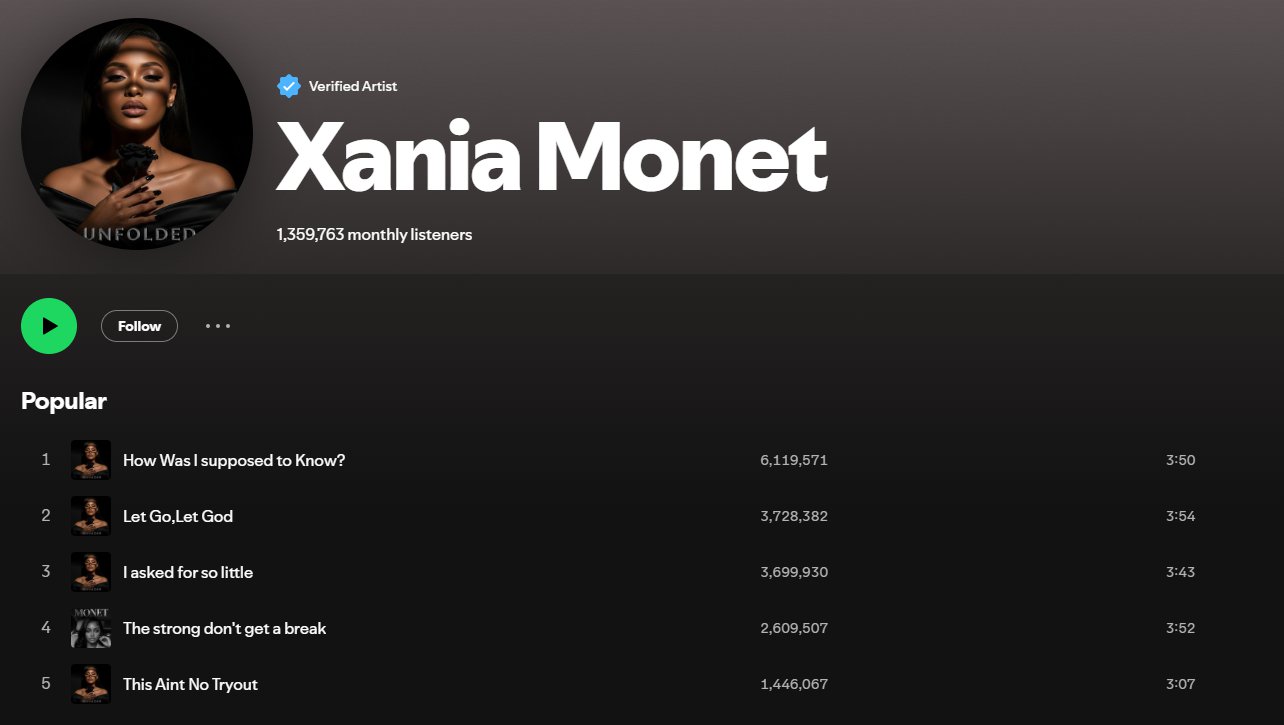
One of the most notable examples of AI-generated music making waves is Xania Monet, an artist who recently broke into the US Billboard charts. Her top track has been streamed over six million times, but her Spotify profile offers no indication that she is not a real person. This lack of transparency raises concerns about how royalties are distributed and whether creators are being fairly compensated.
So, can we tell the difference just by listening? The answer may not be as straightforward as one might think. To test this, a selection of tracks was provided for listeners to identify which ones were AI-generated. The results showed that it’s not always easy to distinguish between the two.
Deezer is the only major streaming platform that proactively tags AI-generated music. This initiative aims to inform users and address growing concerns about the impact of AI on the music industry. According to the survey, 70% of respondents believe that fully AI-generated music poses a threat to musicians' livelihoods. Additionally, 52% of participants stated that such music should not be included in mainstream charts.
The ease of generating high-quality music using AI tools like Suno and Udio has made it possible for anyone to create music in any genre. However, unlike AI image and video generators, which have gained significant attention, AI music has not received the same level of scrutiny. This may explain why streaming platforms have been slower to implement clear labeling systems for AI-generated content.
Amber Mark, an American singer-songwriter, expressed relief that people still value real music over AI-generated content. She emphasized the importance of safeguards to prevent AI models from training on music without the consent of creators. “It’s time for the industry to take action,” she said, highlighting the need for ethical considerations in the use of AI in music production.
So, which tracks were AI-generated? One example is "Ashes on the Carousel" by the Velvet Sundown, which was entirely created by AI and used in the survey. The band had previously gained millions of plays on Spotify, with their profile claiming to represent real musicians. Another track, "Pretty Woman" by Juicy Lucy, is entirely human-made.
Despite these findings, many streaming platforms continue to struggle with identifying and labeling AI-generated music. Deezer reported receiving 50,000 AI tracks daily, accounting for 34% of their total intake. Many of these tracks are submitted to other platforms in an attempt to generate revenue through royalties.
Spotify has taken steps toward greater transparency, but it still does not tag AI-generated music. The company has cited the challenges of implementing a binary tagging system, as some artists use AI as part of their creative process. However, this lack of clarity leaves room for confusion, as seen with the case of Xania Monet, whose profile gives no indication of her AI origins.
Critics argue that AI-generated music raises ethical questions about copyright and the potential loss of income for human musicians. As AI continues to gain traction in the music industry, it's essential to address these concerns and ensure that creators are fairly represented.
The conversation around AI in music is far from over. As technology advances, so too must the policies and practices that govern its use. Listeners, artists, and platforms alike must work together to ensure that the integrity of music remains intact while embracing the possibilities that AI brings.
