Airlines Optimistic for Quick Recovery Post-Thanksgiving Shutdown
Impact of Flight Cuts on US Air Travel
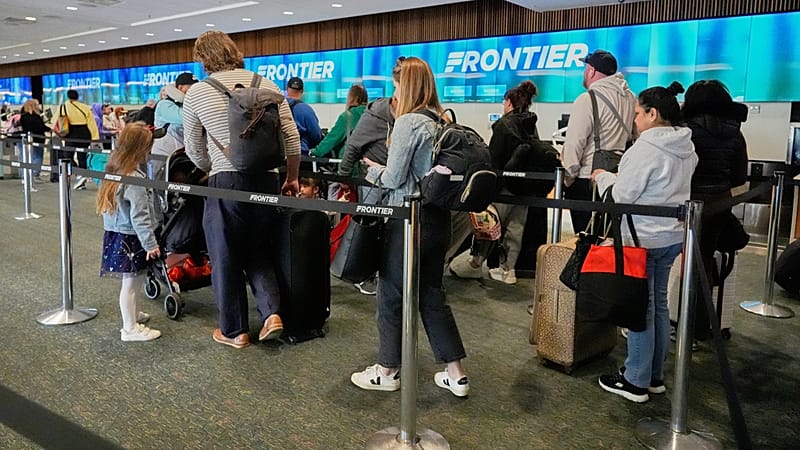
Airlines have faced significant disruptions in the United States, with over 10,000 flights cancelled since the Federal Aviation Administration (FAA) issued a directive to reduce services last week. This move was aimed at alleviating pressure on control towers, which were experiencing severe staffing shortages during the federal government shutdown. While the shutdown has ended, the effects on air travel are still being felt.
The FAA initially mandated that airlines cut 8% of flights at 40 busy airports on Thursday and increase this to 10% by Friday. However, as air traffic controller staffing improved, the agency capped the reduction at 6% on Wednesday night. Despite this adjustment, the airline industry remains cautious about returning to normal operations.
Staffing Challenges and Safety Concerns
During the shutdown, many air traffic controllers missed work due to unpaid leave, leading to a significant understaffing problem at airport towers and regional control centres. The shortage of several thousand air traffic controllers made even minor absences problematic, prompting the FAA to implement flight cuts to ensure safety.
According to Airlines for America, an industry trade group, approximately 5.2 million passengers have been affected by delays or cancellations since the government shutdown began on October 1. The FAA and Transportation Department have not provided updates on when the flight cut order might be lifted, with decisions based on safety data monitored by experts.
Airlines’ Optimism and Recovery Plans
Despite the challenges, airlines remain optimistic about resuming normal operations. They anticipate that regular services will return within three to four days after the FAA lifts the order. By late Thursday afternoon, only slightly more than 1,000 flights had been cancelled nationwide, and nearly 95% of all flights were on time, according to aviation analytics firm Cirium.
“We are eager to resume normal operations over the next few days once the FAA gives clearance,” said the Airlines for America trade group. “We look forward to welcoming 31 million passengers—a new record—to our flights during the upcoming Thanksgiving travel period, beginning next Friday.”
Potential Lingering Issues and Operational Hurdles
However, some experts warn that the disruptions may persist longer than expected, potentially affecting Thanksgiving travel. Recovering from such a sudden shift in operations is complex, especially with winter weather complicating recovery efforts.
Eric Chaffee, a professor at Case Western Reserve University who studies risk management, noted that the disruptions could last weeks. He compared the situation to pulling threads out of a tapestry, where removing one thread could cause more unraveling than anticipated.
Effects on Traveler Behavior
The uncertainty has also influenced traveler behavior. Sales of airline tickets for Thanksgiving travel have slowed as holidaymakers reconsider their plans. While aviation analytics firm Cirium expects ticket sales during the busy late November season to be higher than last year, the increase is projected to be modest.
Conclusion
The recent flight cuts and staffing issues highlight the vulnerability of the US air travel network. Although airlines are working to restore normal operations, the full impact of the disruptions may take time to resolve. As the industry navigates these challenges, travelers are advised to stay informed and plan accordingly.
