Ancient Foods Unearthed by Historians
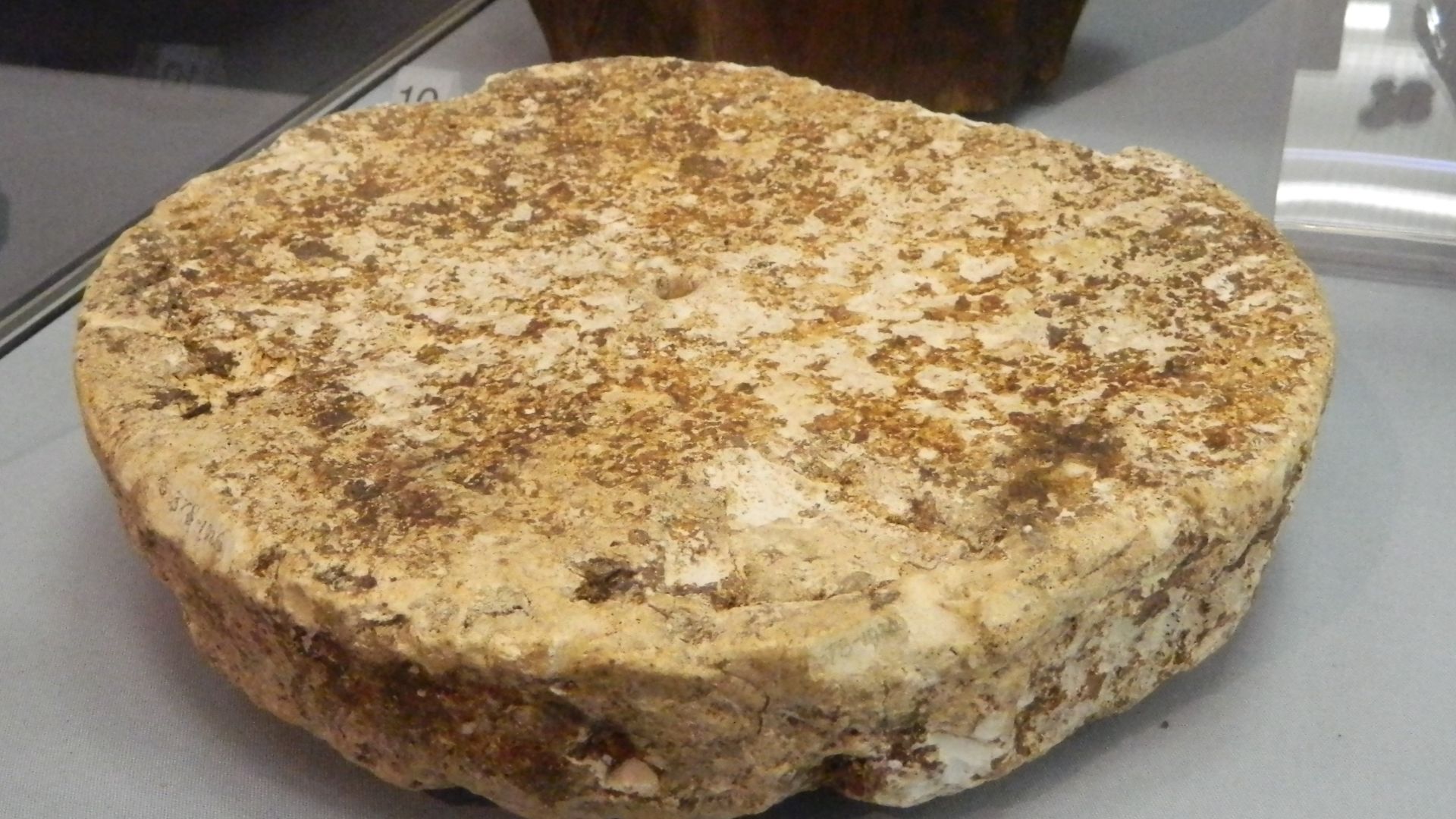
Food has always been an essential part of human life, and throughout history, people have gathered around meals to share, celebrate, and connect. The act of preparing, preserving, and enjoying food is deeply rooted in our culture and daily routines. Over the years, archaeologists and food historians have uncovered fascinating remnants of ancient cuisine that offer a glimpse into how our ancestors lived and what they ate. These discoveries not only reveal the flavors of the past but also highlight the ingenuity of early food preservation techniques.
2400-Year-Old Noodle Bowl
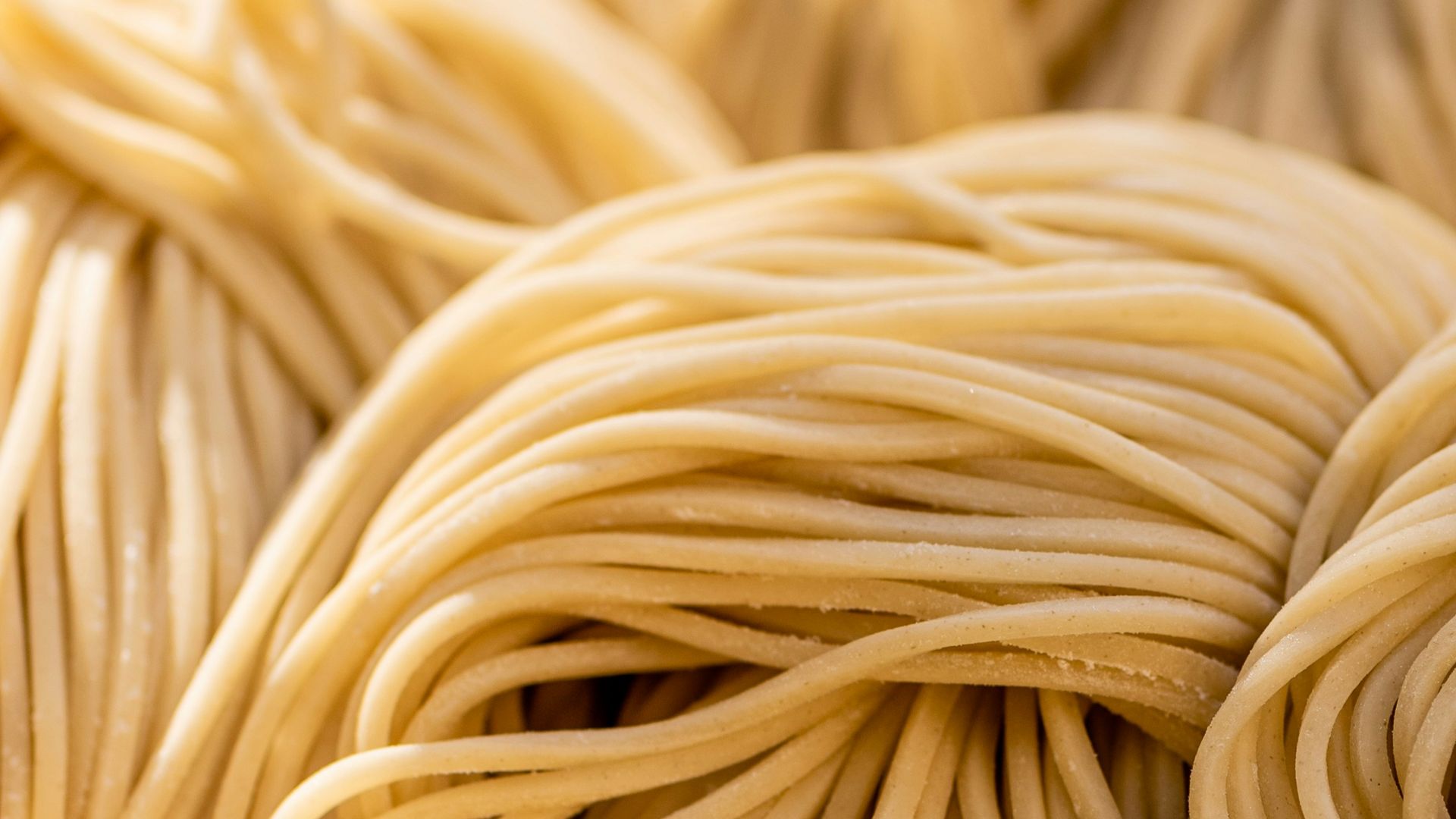
One of the most remarkable finds in the world of ancient food is a 2,400-year-old bowl of soup. This discovery was made by Chinese archaeologists in a tomb located on the outskirts of Xi’an, a city famous for its terracotta army and historical significance as the political center of Qin Shihuang, who unified China in 221 B.C.
The 8-inch-tall, three-legged bronze pot was used for cooking and serving meat. When researchers opened it, they found liquid soup inside, which had turned green due to oxidation from the bronze. However, the contents had not evaporated because the tomb's seal was so well-preserved. This soup is not the oldest food ever discovered in a pot. Five years earlier, a 4,000-year-old pot was found near China’s Yellow River, containing noodles that showed how far back Chinese culinary traditions can be traced.
2000-Year-Old Beef Jerky
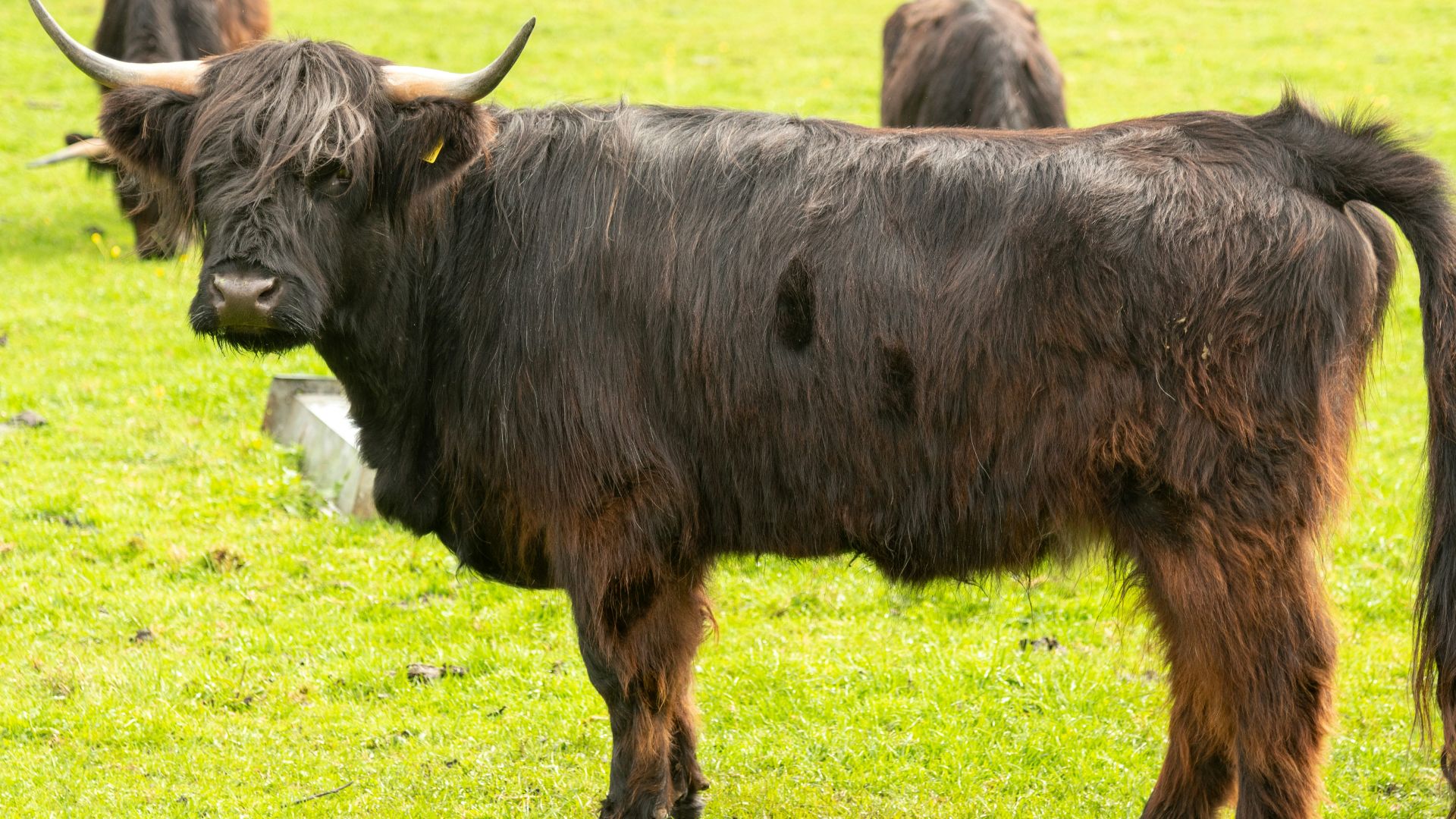
Preserving meat through drying and dehydration has been a common practice for thousands of years. A notable example is a piece of beef jerky discovered in a tomb dating back approximately 2,000 years. It was stored in a bronze pot and found in a tomb associated with the Warring States Period (475–221 B.C.). According to Hu Songmei, a paleontologist with the provincial archaeological institute, the beef was verified through months of high-tech testing. Although mostly charred, the scientists were able to confirm it was originally beef.
This find showcases the advanced methods early humans used to preserve food. Drying meats and other protein-rich foods has long been a key strategy for extending their shelf life.
Egyptian Tomb Cheese
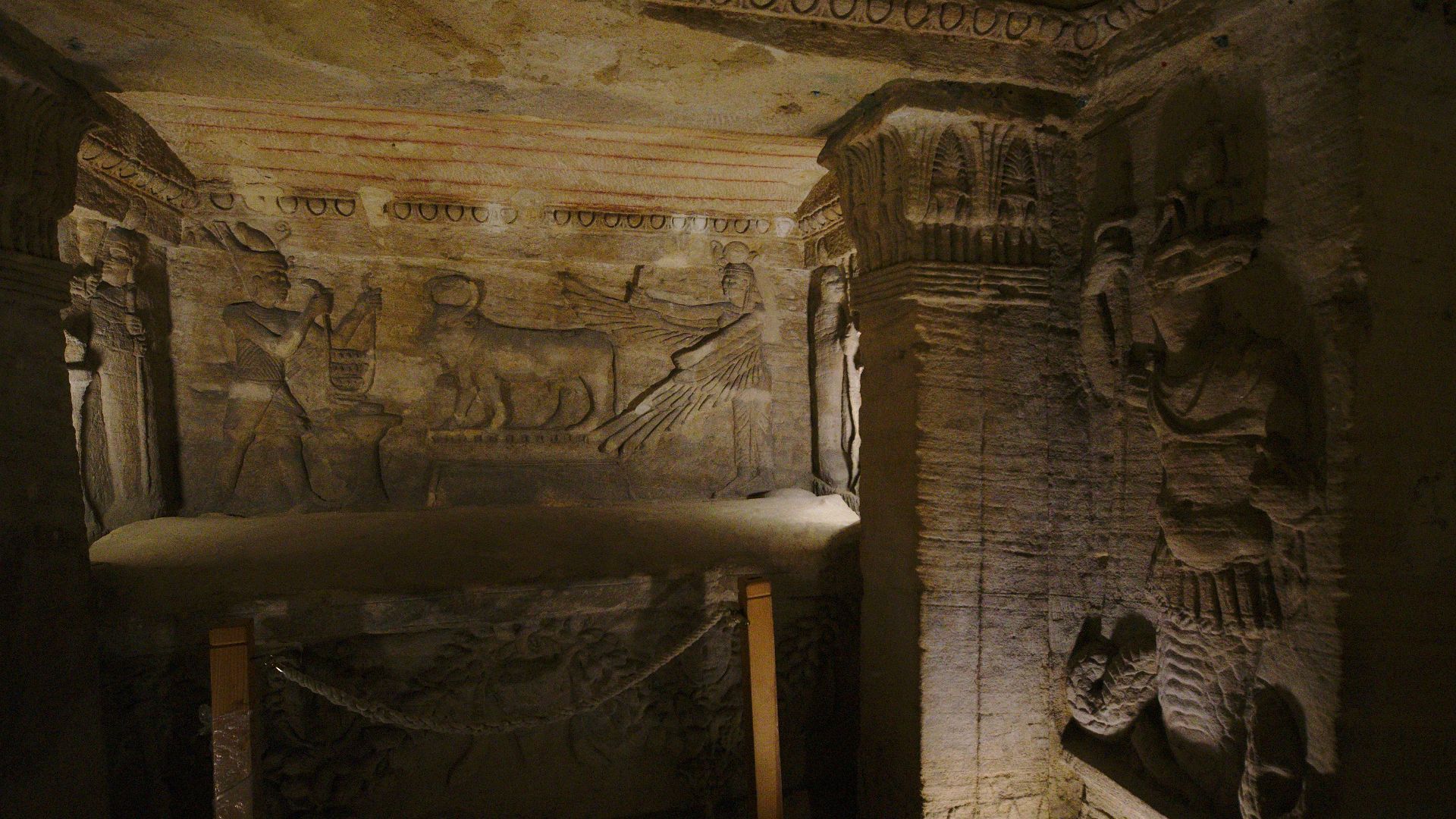
Ancient tombs are often filled with treasures, but few would expect to find cheese among them. In 2013 and 2014, while excavating the tomb of Ptahmes, archaeologists stumbled upon jars of cheese. Further analysis revealed that this cheese was made from either goat or sheep milk and was an astonishing 3,200 years old. This discovery challenged previous assumptions that Egyptians did not produce cheese.
In addition to the cheese, researchers also found traces of disease-causing bacteria within the sample. This finding adds another layer of complexity to our understanding of ancient food storage and hygiene practices.
These incredible discoveries remind us that food is more than just sustenance—it is a window into the past, revealing the customs, technologies, and tastes of ancient civilizations. From ancient soups to preserved meats and even cheese, each artifact offers a unique story about how our ancestors lived and thrived.
