Beyond a Trend: The Health Benefits of Drinking Matcha
The Rise of Matcha in the Modern World
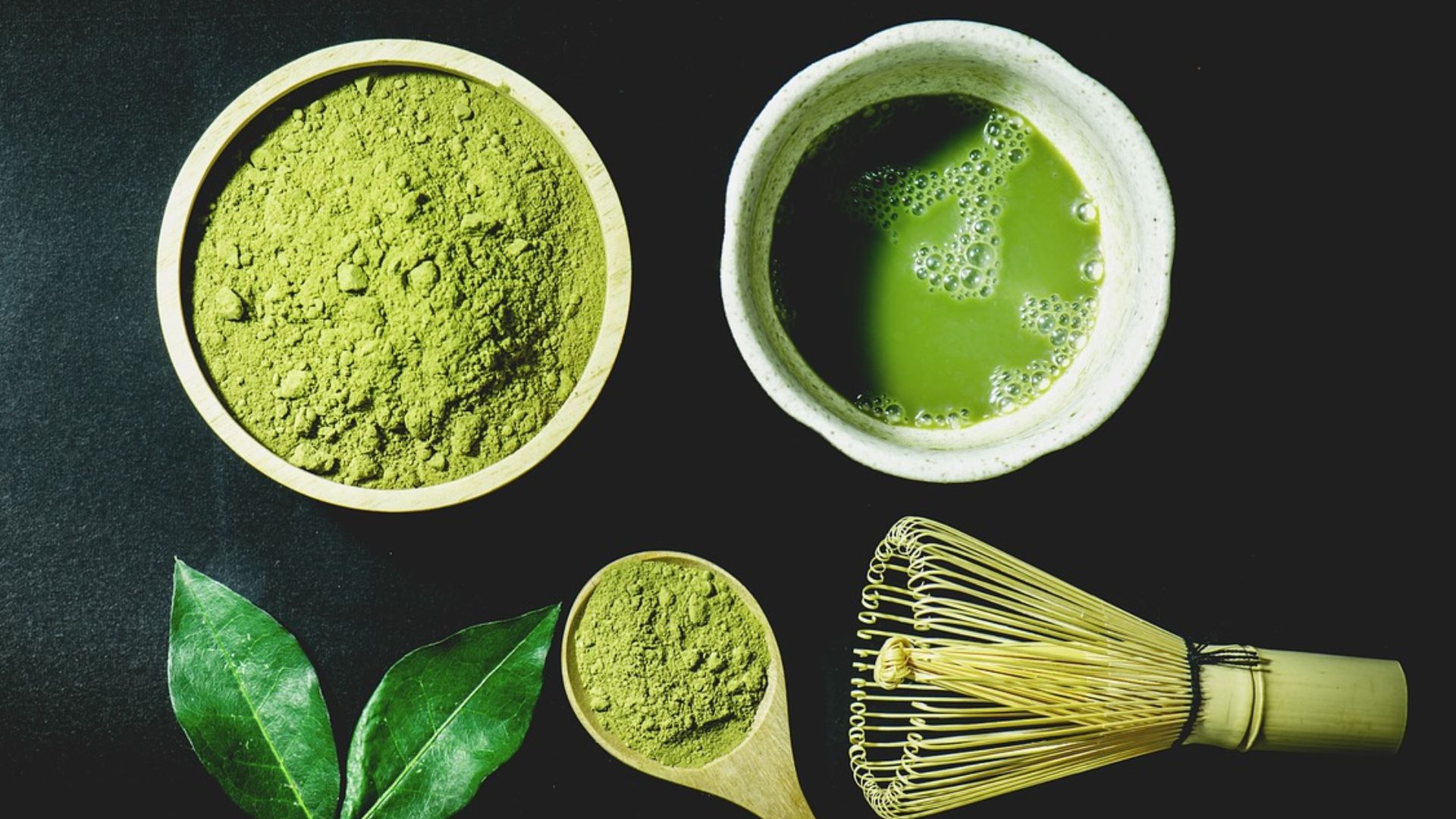
Matcha, once a traditional Japanese beverage, has transformed into a global wellness phenomenon. Its journey from an ancient practice to a modern health staple has been remarkable. Over the past decade, matcha has gained immense popularity, especially in Western countries. From 2014 to 2015, it started gaining traction, and by 2018 to 2020, it reached mainstream recognition. What was once a niche product sold in specialty tea shops is now a common sight in cafes, grocery stores, and even in various food products.
A Rich Source of Antioxidants
At the core of matcha's health benefits lies its impressive antioxidant content. This green powder is packed with catechins, particularly epigallocatechin gallate (EGCG), which is known for its powerful health properties. These compounds help combat oxidative stress by neutralizing harmful free radicals in the body.
What sets matcha apart from regular green tea is the way it is consumed. While traditional green tea involves steeping the leaves and discarding them, matcha involves consuming the entire leaf in powdered form. This results in a more concentrated source of beneficial compounds compared to regular green tea.
The unique cultivation method of matcha, which involves shading the plants before harvest, enhances the production of theanine, chlorophyll, and other beneficial substances. Research published in the PMC suggests that these antioxidants may reduce the risk of circulatory system illnesses and certain types of cancer.
Benefits for Heart Health
Your heart might have good reason to appreciate matcha. A meta-analysis published in the European Journal of Nutrition found that the catechins in green tea can help lower blood pressure and LDL ("bad") cholesterol levels. Rutin, another compound found in matcha, may also contribute to these heart-healthy effects.
The plant compounds in matcha support arterial health and help maintain healthy blood pressure and cholesterol levels within normal ranges. Compared to coffee, which can sometimes cause a dramatic increase in heart rate, matcha provides a gentler energy boost thanks to L-theanine. This amino acid is abundant in matcha and has been linked to improved concentration and alertness while promoting a sense of calm. It offers focused energy without the jitters often associated with other caffeinated beverages.
Metabolic Advantages and Weight Management

For those concerned about maintaining stable blood sugar levels, matcha shows promising potential. Meta-analyses have shown that catechins from green tea can significantly lower fasting blood glucose concentrations. The polyphenols present in matcha may also improve insulin sensitivity.
When incorporated into a comprehensive weight management plan alongside exercise and dietary changes, matcha may help reduce body mass index (BMI) and waist circumference. The combination of catechins and caffeine in matcha enhances the body's ability to burn calories mildly.
Conclusion
As scientific research continues to explore the properties of this ancient tea, it becomes increasingly clear that matcha is not just another fleeting wellness trend. Instead, it represents a time-honored tradition that is supported by emerging evidence highlighting its role in a health-conscious lifestyle. Whether you're looking for a natural energy boost, heart-healthy benefits, or support for metabolic health, matcha offers a range of advantages worth considering.
