Big garden owners 'should pay heavily' for water use
Addressing Water Shortages in England
Homeowners with large gardens are being urged to consider the financial implications of their water usage, as experts warn that current practices may not be sustainable in the face of climate change. The government's climate change adaptation adviser, Baroness Brown of Cambridge, has emphasized that if water companies were to charge more per litre for water, it could significantly help prevent future shortages.
The Environment Agency has projected that England could experience public water shortages of five billion litres a day by 2055 if urgent action is not taken. This shortfall, equivalent to a third of the country’s daily use, is attributed to factors such as climate change, population growth, and increased demand from businesses.
Brown highlighted that new reservoirs would only address 40% of the anticipated shortfall. Therefore, other measures, such as fixing leaky pipes and reducing household usage, will be essential to mitigate the crisis.
This year’s dry April saw Yorkshire Water record an increase in usage of 80 million litres a day. Additionally, the Royal Horticultural Society (RHS) Gardening Report estimates that households in Britain use approximately 500 million litres per day on their gardens. Only 18% of this usage comes from collected rainwater and greywater, with 40% being mains-only water.

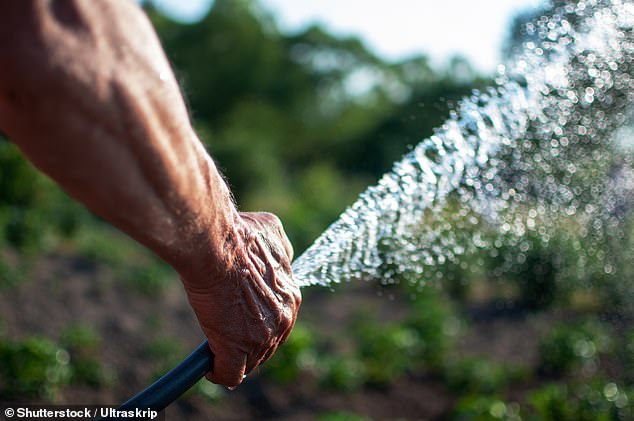
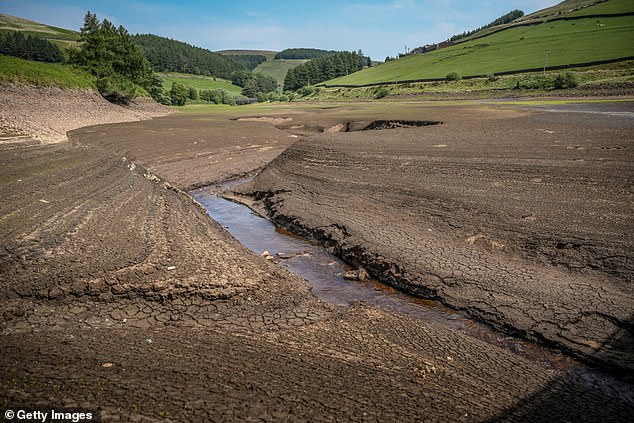
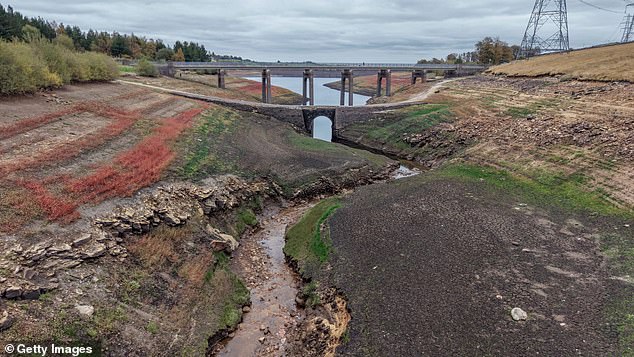
The Met Office has warned that there is not expected to be enough rainfall this winter to end the drought that has affected parts of the country since spring. Hosepipe bans across Yorkshire and parts of the southeast could last until winter, following one of the driest springs on record and low reservoir levels.
Yorkshire and the Midlands remain in drought after this year's dry spring and summer and a series of heatwaves, while large areas of the country are still experiencing 'exceptionally dry conditions'. Brown, who leads the climate change committee’s work on adapting to rising temperatures, warned that such droughts are expected to become far more frequent.
She called for "much better engagement with the public" to advise how they can reduce water usage from 140 litres per person per day to 110 litres by 2055. "We should discourage people from having power showers," she said, highlighting the need for public awareness.
Brown continued: "Because there is this perception that we live in a wet country and we're surrounded by the sea, [the threat of water shortages] doesn't impact on the public consciousness enough … It does need the public really engaged in this."
Drought is declared over only when water levels are fully replenished. England has seen below-average rainfall for eight out of 10 months so far this year, with only January and September registering above-average rain. The country has received only 83% of the average rainfall for January to October, and suffered the driest spring for 132 years and the hottest summer on record.
Despite recent rainfall, the situation remains "precarious", the Environment Agency said. If the winter is drier than normal, much or all of the country will be in drought by next spring, with the risk of hosepipe bans, effects on crops and wildlife, and wildfires as the summer progresses.
The dry conditions also raise the risk of flash flooding when rain does come, as dry soils struggle to soak up heavy downpours and the water simply runs off to cause flood waters.
The warning comes as the Met Office forecasts heavy rain into Saturday, but says that there is a higher than usual likelihood of dry conditions over the three months from November to January, which could cause drought conditions to worsen.
Environment Agency director of water Helen Wakeham said: "There will be a drought next year, unless we get sustained rainfall through the winter. The severity of that drought will depend both on the weather and the actions we take over winter following this very dry year."
The Environment Agency is calling on water companies to continue to engage with customers to help them use less water and continue efforts to cut leakage. Farmers should consider adjusting cropping patterns to include more drought-tolerant crops or varieties that need less irrigation, refilling reservoirs as soon as possible and working with neighbours to share water and water rights, it said.
The agency has outlined three scenarios for winter rainfall - when water resources recharge ahead of the summer months - and what they would mean for the public, farmers and the environment.
If England receives an average amount of rainfall over the winter, all areas of the country will be in a normal or recovering condition by March 2026, with the exception of parts of Cambridgeshire and Bedfordshire which will still be in prolonged dry conditions.
If that happens, public water supplies will have fully recovered, the canal network would be back to full strength, but there could be some lingering impacts on nature including a poor breeding season for amphibians.
But if the country receives only 80% of the average rainfall expected over the winter, all areas will be in drought or prolonged dry weather conditions by March 2026 with the exception Greater Manchester, Merseyside and Cheshire, and Cumbria and Lancashire.
And in an even drier scenario where England receives just 60% of the average rainfall for the winter, all parts of the country would be in drought by spring 2026, with hosepipe bans, reduced water for irrigating crops, impacts on sports facilities and the potential for 'permanent' environmental damage.
Will Lang, chief meteorologist at the Met Office, said: "While it's not possible to definitively forecast weather for the next three months, the chances of a dry period are higher than normal. A more average three-month period for rainfall is still the most likely scenario. It's important to note that rainfall patterns in England can be variable, so while some may see more rainfall, others will see less, possibly giving limited relief from long-standing dry conditions."
Water minister Emma Hardy said the Government would continue to work with the National Drought Group and water companies to maintain supplies for communities across the country. "Climate change means we will face more frequent, severe droughts and flooding in the years ahead. That's why this government is taking decisive action to secure our long-term water resilience, which includes building nine new reservoirs and investing in new pipes to reduce leakage," she said.
