Boost Your Christmas Bonus: 6 Ways to Maximize Your Money
Managing Your Christmas Bonus Wisely
If you're expecting a Christmas bonus this year, it's natural to think about how you might spend it. Whether it's booking a holiday or buying something nice for yourself, there are many ways to use your bonus. However, if you don't need the money for daily essentials and bills, there are several options that can help you build a stronger financial foundation.
A Christmas bonus can be an excellent opportunity to establish a solid financial footing and even kickstart your long-term goals. It can also be used to make your money work harder for you, ensuring that the benefits of your bonus extend beyond the festive season.
Here’s how you can make your festive payout work harder for you.
Deal with Debts First
Before jumping into a spending spree, consider using your bonus to cover any short-term financial needs. This includes paying down debt or topping up your emergency fund. If you don’t have unsecured debts on credit cards or loans, it might be wise to redirect some of your bonus toward paying down a mortgage, especially if you’re about to move to a higher rate.
However, make sure you aren't hit with early repayment fees for paying off more than your lender's annual limit. This is often 10 per cent of the total mortgage amount.
"Timing is a bit of an issue as borrowers with some time to go on a fixed-rate deal will probably find they can't just pay down the loan (by more than 10 per cent anyway) without an early repayment charge," says Gary Smith, senior partner at wealth manager Evelyn Partners. "In that case, they could find a tax-efficient home for the funds, such as an Isa, until the mortgage term expires."
Set Aside Cash for Emergencies
If you think you're in a solid financial position, it's wise to consider setting money aside for longer-term goals. A Christmas bonus allows you to build a savings habit and find ways to make your money work as hard as possible.
Rosie Hooper, financial planner at Quilter Cheviot, says: "If you choose this option, then you need to make sure you have a plan for what to do with it. That starts by working out what you are saving for and thus where to put it."
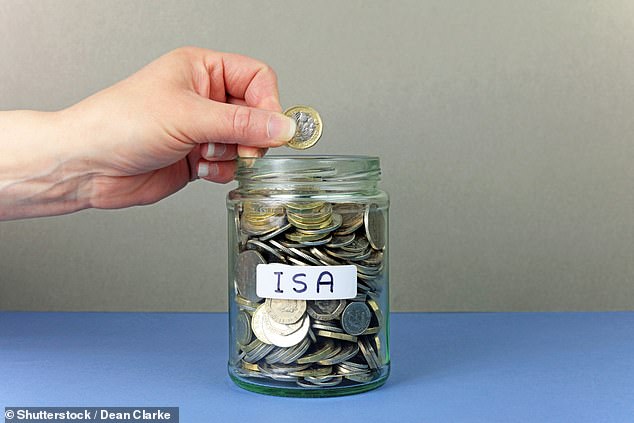
If you're looking to build your emergency fund, it is worth opening an easy-access savings account with a high interest rate so your money isn't eroded by inflation. Choosing an easy-access cash Isa means you can put away up to £20,000 per year and won't pay any tax on the interest. You can also get hold of the money whenever you need.

Hooper adds: "What matters crucially is to use it in an as tax efficient manner as possible. This means utilising Isa allowances and your pension – your future financial self will thank you for it."
Smith warns that if you're looking to stash your cash in an Isa, it's more important than ever to secure your allowance for the year given rumoured plans to restrict Isa allowances in the Budget. "While pensions may have the edge when it comes to tax relief, Isas win hands down for flexibility as you can make withdrawals at any time and are not locked in."
Salary Sacrifice Your Pension
What you do with your Christmas bonus will depend on how much you get, but if it's a larger sum, it is worth thinking about ways to cut your tax bill. Like your salary, bonuses are subject to income tax at 20, 40 or 45 per cent depending on your total earnings. It's a good idea to work out whether your bonus could push you into a higher tax band.
Having a bonus paid into a pension is often the most tax-efficient way to invest a lump sum because you'll receive tax relief at source.
Susan Hope, retirement expert at Scottish Widows, explains: "Let's say your bonus is £1,000. You can make a personal pension contribution to your workplace pension, and you get 20 per cent tax relief at source. So, while you part with £800, you get £1,000 invested - leaving you with a nice round £200 for a 'To Me, lots of love from Me' present."
If you're a higher-rate taxpayer, you can reclaim an additional 20 per cent when you complete your self-assessment tax return. Hope adds: "Your £1,000 to invest with only costs you £600. That means that in ten years, you double your initial contribution, assuming 5 per cent investment growth for basic rate taxpayers and just under five years for higher rate taxpayers."
This tax relief will be a present to future you but in the immediate term, it can potentially bring you down a tax band if you're close to an income tax threshold. This can help in other areas of your financial life.
Claire Exley, head of financial advice and guidance at JP Morgan Personal Investing, says: "For parents with children in nursery who access free childcare, reducing your taxable income and moving down a tax threshold can help you avoid losing any benefits which would be removed if either parent has an adjusted net income of over £100,000 a year."
There is speculation that the Chancellor will limit the amount of money people can salary sacrifice to £2,000 a year in the Autumn Budget. "This would make it more difficult to salary sacrifice your bonus, but depending on your employer's arrangements, you might be able to pay some into a pension and take the rest as taxed income," says Smith. "If your bonus award has not yet been granted, you should speak to your employer as soon as possible to see if they will facilitate salary sacrifice."
Invest Your Bonus
If you're not keen on setting aside your bonus for your pension, you could use it as a way to start investing. Brian Byrnes, head of personal finance at Moneybox, says: "This is where your financial journey truly can take off, and by putting your bonus into a stocks and shares Isa, any gains you make will be completely tax-free. You don't even have to invest it all in one go. By investing regular amounts, a strategy known as pound cost averaging, you can help smooth out the market's ups and downs."
"It's a powerful way to let your money benefit from compounding - earning gains on your gains - and to build a pot of wealth for your future, long after the festive season is over."

Gift to Family or Charity
If you're keen to use your Christmas bonus to pay towards presents for family and friends, you might consider gifting money instead. Rather than spending it on toys or other gifts, Exley recommends opening a Junior Isa for your children or grandchildren, which they can access when they reach 18. You can find the best Junior Isa rates in This Is Money's savings tables.
You can build a substantial pot if you start early enough and any interest or capital earned will be tax-free. Hooper also suggests charitable gifting, which if you're a UK taxpayer, means you can claim tax relief. This can be done either by gift aid, which means the charity will receive an extra 25 per cent on top of your donation at no extra cost to you.
She adds: "If you are a higher rate taxpayer, you can also claim the additional tax relief for the extra tax you paid on that donation. The other method is through payroll giving, where the donation will be taken prior to income tax being taken and thus you will not pay that on the donation amount."
Spend It
The final option if you're in a good financial position is to reward yourself and spend it, or set aside a portion of the payout to spend guilt-free. Exley says: "While you should definitely reward yourself with your bonus, it's important to be purposeful with how you deploy the windfall to avoid any regret in the future. One potential option is spending half of your bonus on yourself and short-term wants then using the other half on longer-term wealth building and financial goals."
