Brazil named global oil capital as host of COP 30

Brazil is currently in the spotlight as it hosts the latest climate change summit, COP 30. However, the country is also gaining attention for a different reason — it's being positioned as the new oil frontier. Alongside neighboring countries like Guyana and Argentina, Brazil is believed to have vast oil reserves off its east coast, which could rival those of traditional OPEC nations. What sets this region apart is the affordability of these resources, making them an attractive option in the global energy market.

Clashing Interests
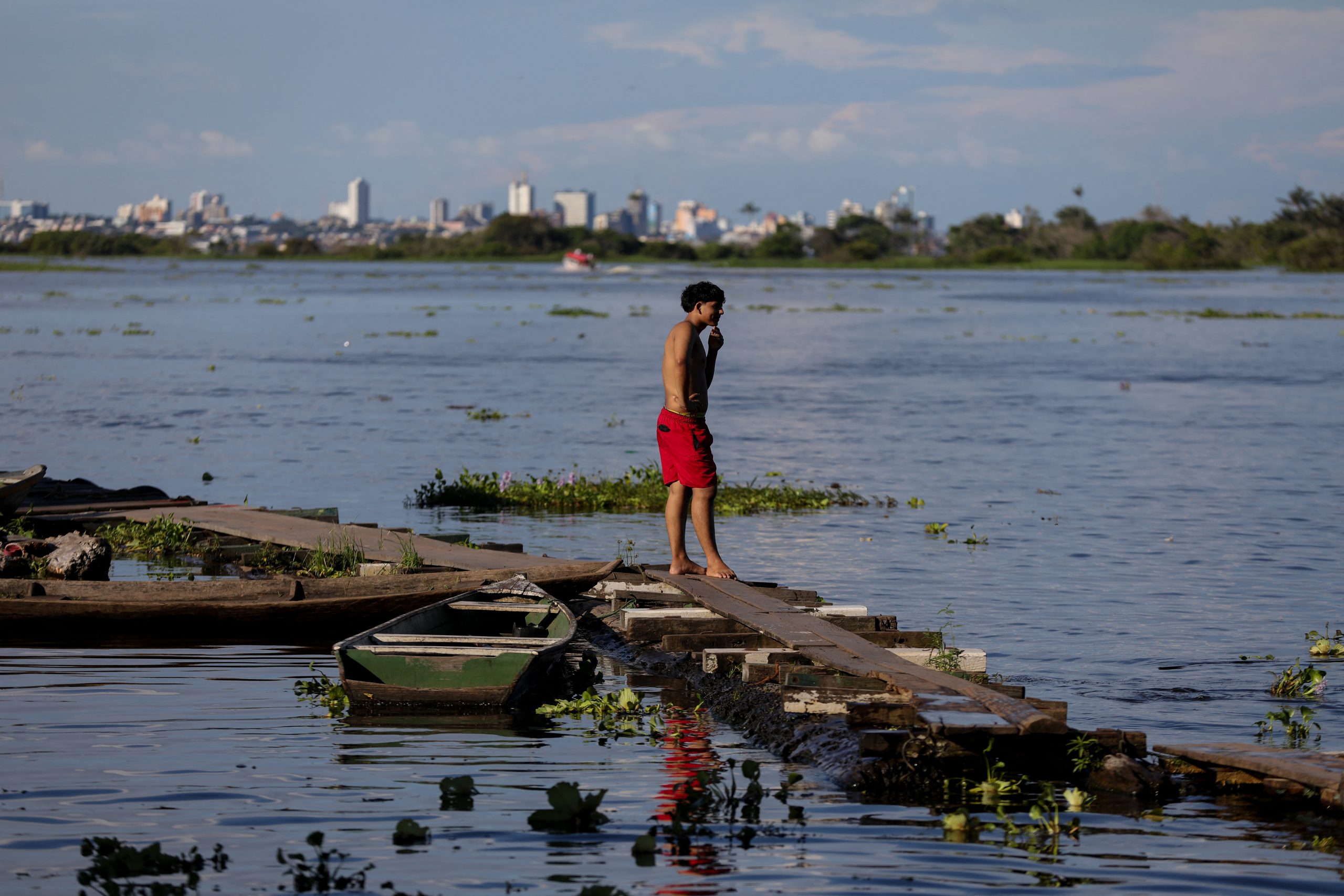
While Brazilian President Luiz Inácio Lula da Silva emphasizes the importance of environmental protection and the need to "defeat" climate deniers at the Belém-hosted climate conference, there are conflicting actions taking place. Licenses for oil drilling are being issued in an area where the Amazon River meets the Atlantic Ocean. This location is home to a stunning 3,600-square-mile deep-water coral reef, discovered just over a decade ago. If significant oil reserves lie beneath the sediment, this unique ecosystem could face irreversible damage.
Dead Cow Country
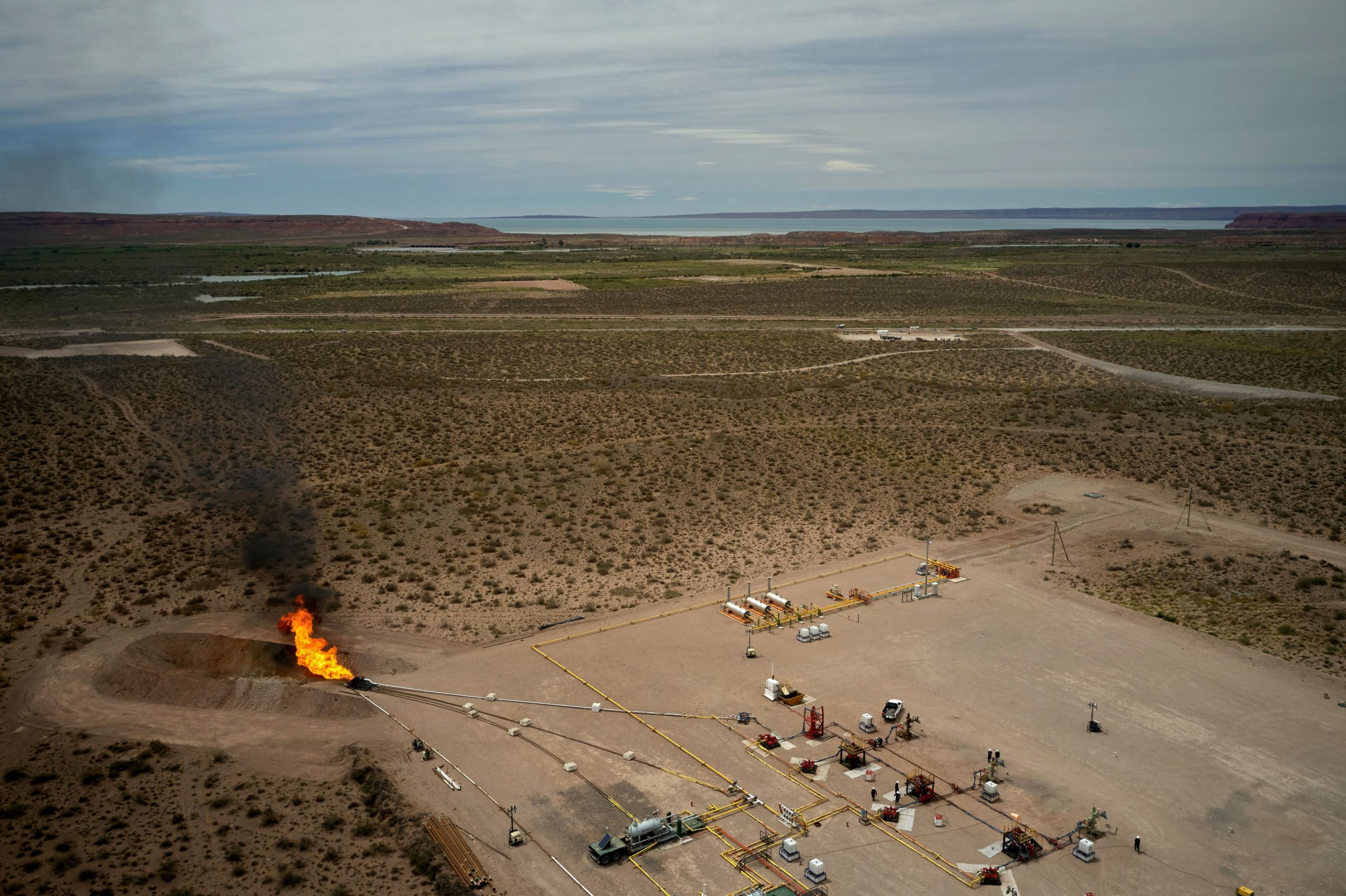
In Guyana, oil production has already reached 650,000 barrels per day from a deep-water reservoir found a decade ago. Despite this, many local residents have not seen the benefits of the oil boom, with poverty still prevalent. Meanwhile, in Argentina’s Vaca Muerta, known as “Dead Cow Country,” oil deposits are expected to produce up to a million barrels daily by 2030. Nicole Figueiredo de Oliveira, executive director of the environmental non-profit Arayara, told CNN that the rapid expansion of oil production in the region is truly remarkable.
A Counterbalance to OPEC
Environmentalists are concerned about the growing oil boom in the region, especially given the increasing frequency of extreme weather events such as floods, fires, and droughts linked to climate change. However, the governments of these emerging oil-producing nations are pushing forward, reshaping global petroleum supply chains. According to Discovery Alert, experts predict that Brazil, Guyana, and Argentina will collectively account for nearly 60% of the world’s oil production during this decade. This shift is helping to offset the decline in output from traditional suppliers facing production limits and geopolitical challenges.
