Bride's Health Emergency After Dream Wedding
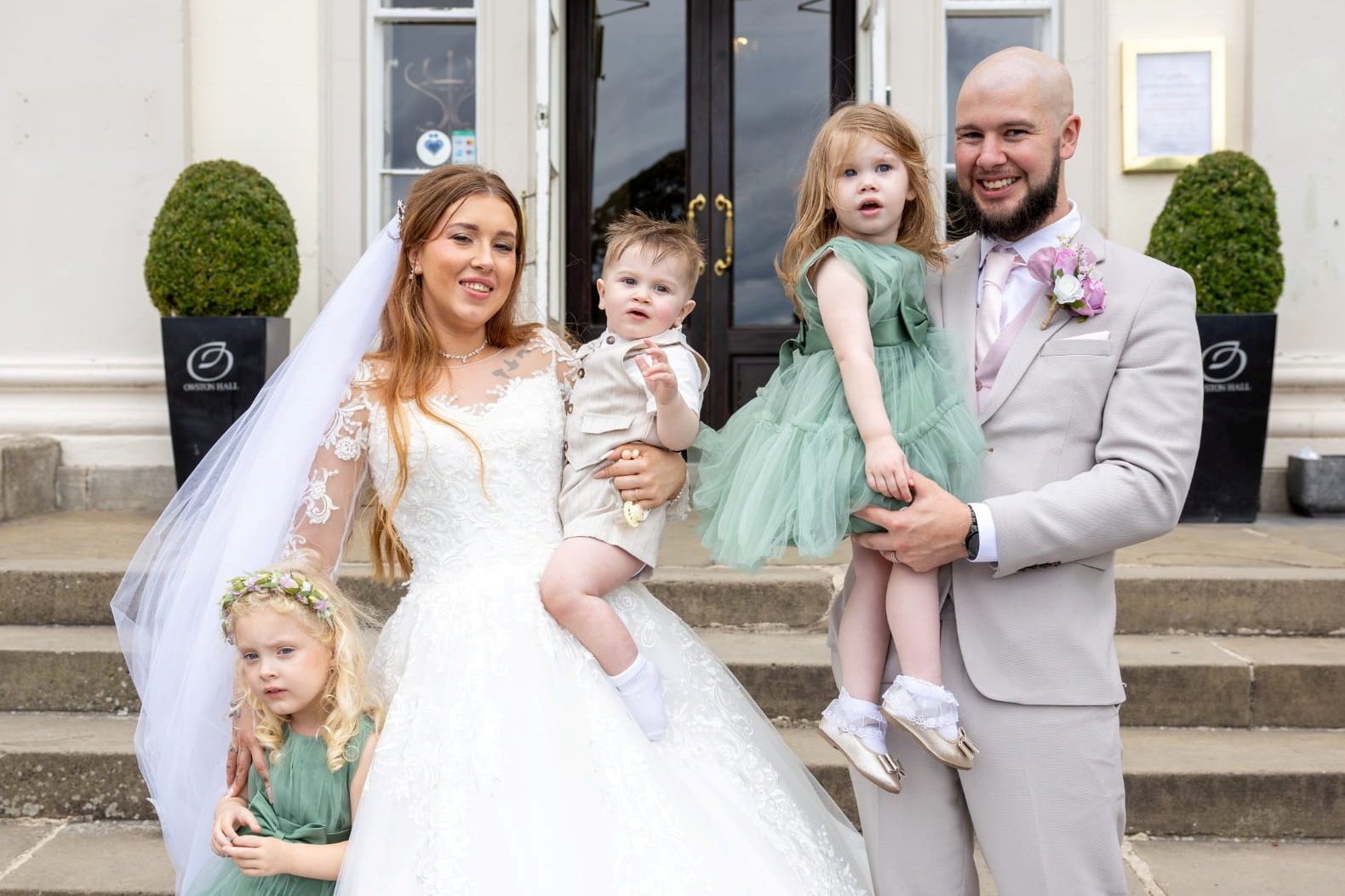
It was just five days after Chelsea Shields had the wedding of her dreams that things went wrong. The 28-year-old from Doncaster recalls waking up unable to see out of her right eye, experiencing complete darkness. She panicked, fearing she might be going blind and missing out on watching her children grow up.
But this was only the beginning of a period of rapidly declining health following her marriage to Connor, 34, in August. A range of debilitating symptoms eventually led to a diagnosis of functional neurological disorder (FND).
“I’ve always had issues with muscle weakness and pains,” explains Chelsea. “Over the past 10 years, I’ve had back-and-forth visits to GPs and A&E. But the worst symptoms came days after my wedding.”
The morning she realized she couldn’t see out of one eye, she was rushed to the hospital, where doctors suspected a viral infection and sent her home. However, the next day, her condition worsened as the other eye began to blur. Back at the hospital for more tests and scans, she found no field of vision in her right eye, but no one could determine what was causing it.
Doctors initially suspected multiple sclerosis (MS), so she was given powerful steroids while waiting for urgent scans. By then, she was barely able to move.
“I had a constant dull headache and couldn’t cope with it,” she says. “My left eye got worse, and then I was in the kitchen making lunch for my children when I experienced a sudden thunderclap headache.”
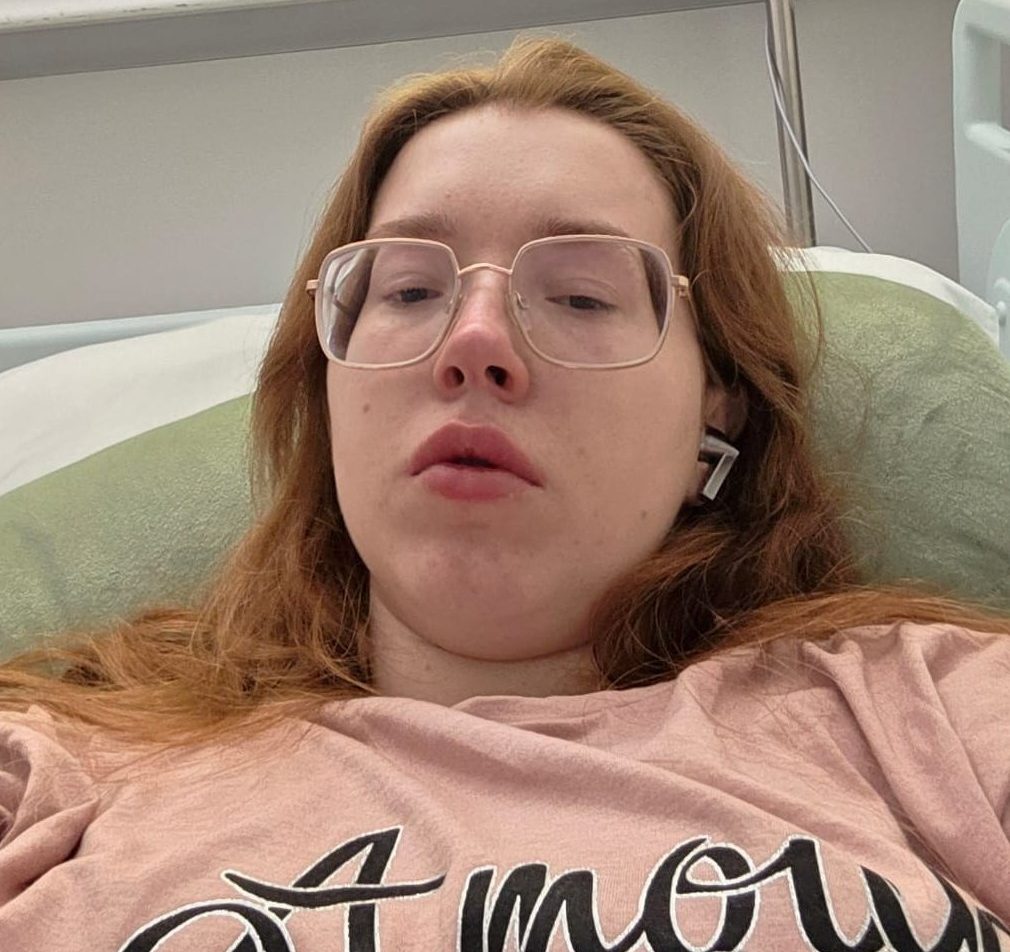
Chelsea dropped to the floor, asking her five-year-old to pass her the phone so she could call Connor for help, crying out in pain as she tried to dial. By the time the ambulance arrived, she couldn’t even walk up to it without falling over.
“I lost the ability to go to the toilet, so at 28, I had to be catheterized. I couldn’t get out of bed because I was classified as a fall risk. I felt my whole body starting to give up on me.”
Functional Neurological Disorder (FND)
According to the NHS, it’s helpful to think of the brain like a computer. In someone with FND, there is no damage to the hardware or structure of the brain. Instead, the software or program running on the computer isn’t working properly.
Possible symptoms include:
- Limb weakness that causes problems walking, heaviness on one side, dropping things, and feeling like your limb isn’t part of you
- Seizures where you experience uncontrolled shaking, suddenly going motionless and unresponsive, or staring without responding to surroundings
- Tremors in the arms and legs
- Dystonia – a muscle spasm where a part of your body becomes stuck in an unusual position
- Gait disorder, where you have a dragging leg, feel unsteady when walking, or make excessive movements when walking
- Facial spasms and tics that look similar to Tourette’s, and jerks and twitches
- Drop attacks where you fall to the ground suddenly while conscious
- Numbness and pins and needles
- Problems with memory and concentration
- Speech and swallowing difficulties
- Persistent postural perceptual dizziness
- Blurred vision, double vision, sensitivity to light, reduced vision
- Dissociation
Other symptoms include:
- Chronic pain, fatigue, insomnia or hypersomnia, migraines, irritable bowel syndrome, anxiety, panic attacks, depression, PTSD, chronic urinary retention, dysfunctional breathing.
Treatment
Rehabilitation therapy is used to improve the quality of life of FND sufferers, in an attempt to retrain the brain. Some may benefit from this, while others may continue to have symptoms despite treatment.
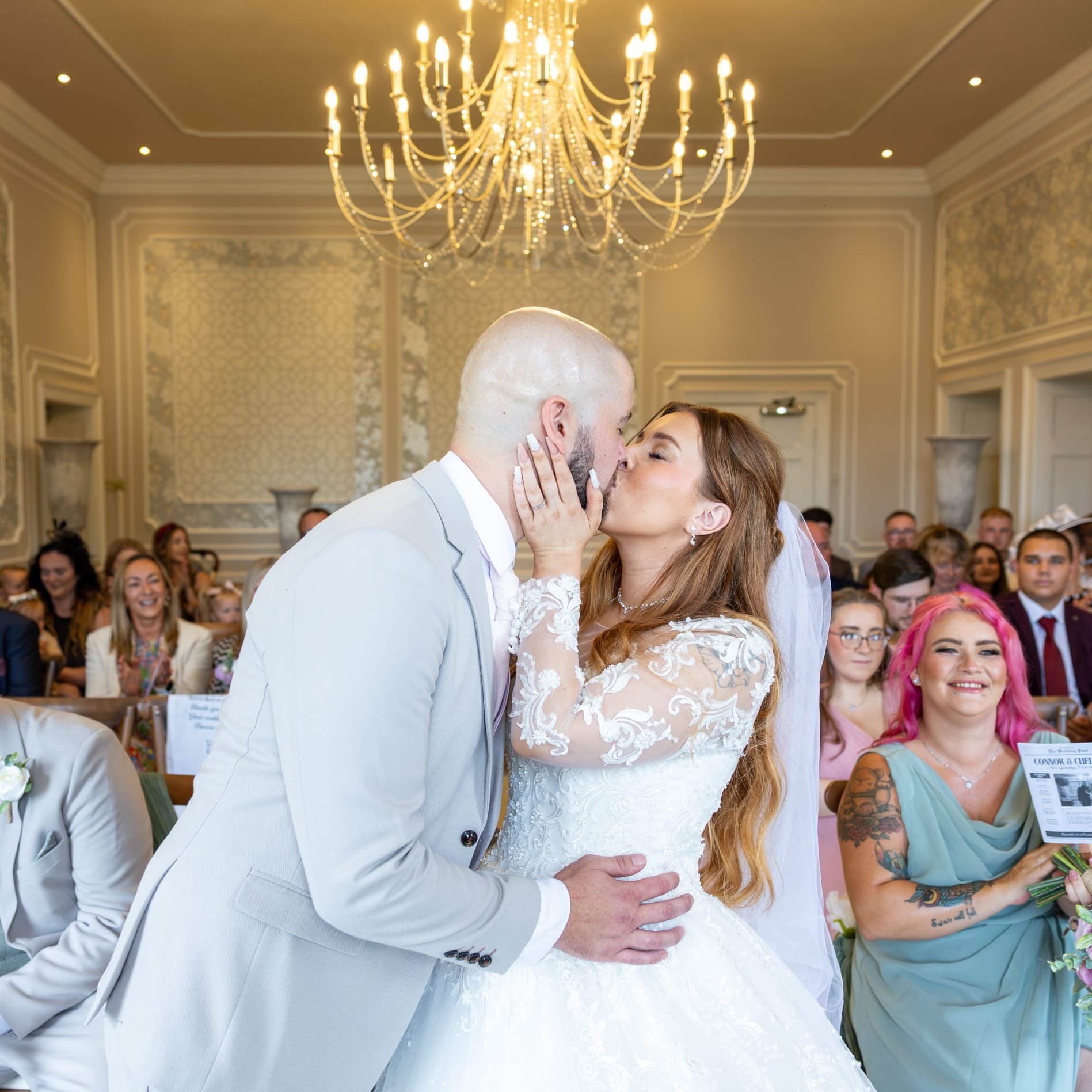
After four long weeks without an answer, doctors finally gave her a diagnosis: functional neurological disorder. This complex condition affects how the brain sends and receives signals to the body, causing a range of symptoms from muscle spasms to memory issues.
Living with Functional Neurological Disorder (FND)
Chelsea explains, “Before I was diagnosed, I’d never heard of FND, but it’s actually more common than people would think. It can be very unpredictable, so it can mean anything from seizures to paralysis, which makes it even harder to get the right help.”
FND can be difficult to diagnose, and has no single ‘cure’, with treatment focusing more on managing symptoms through medication and physiotherapy.
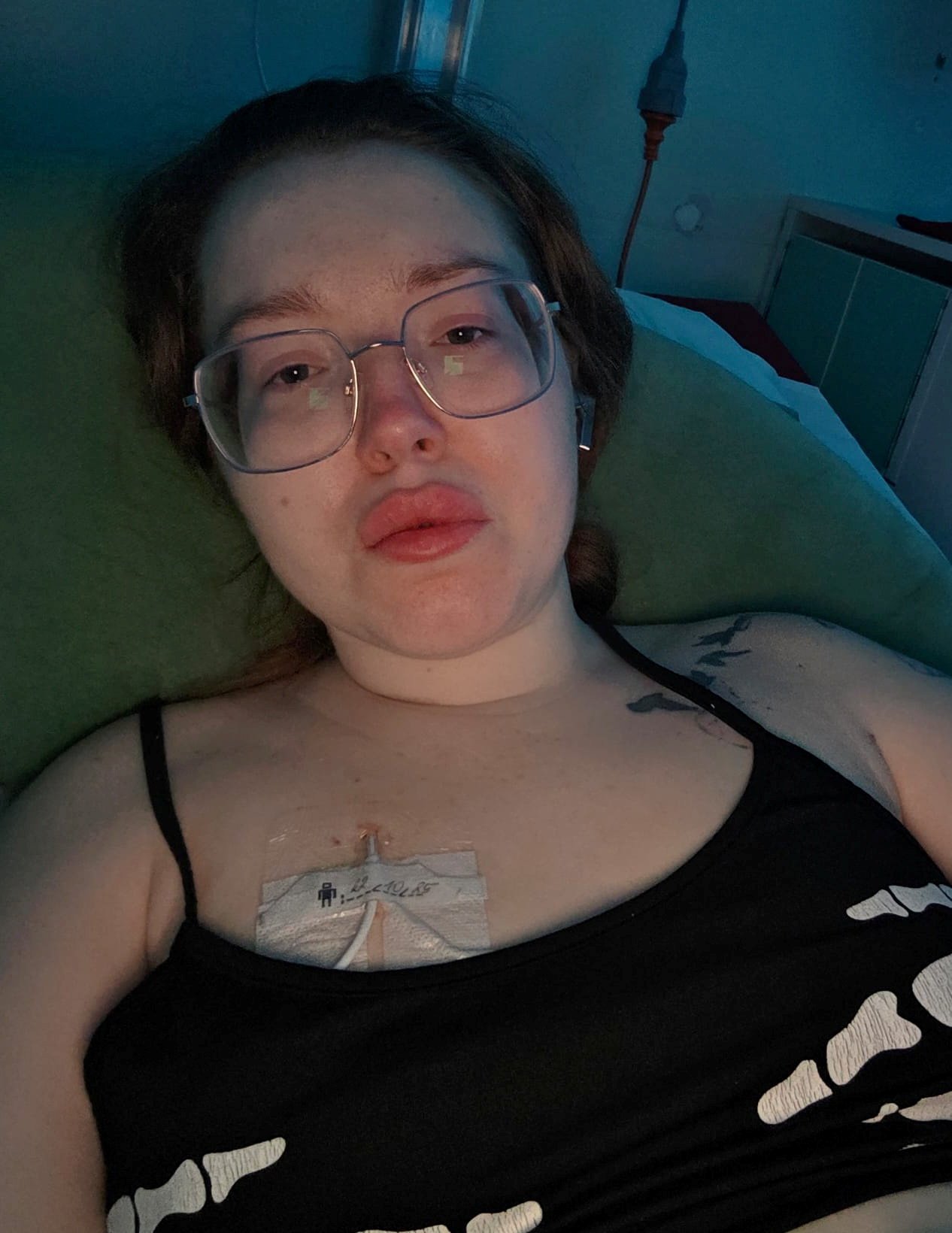
Despite its severity, Chelsea says the disorder is often dismissed or “not taken seriously.” “The main symptom for me is brain fog, which is quite bad when you have young children,” she adds. “I have a lot of weakness in my legs, so 99% of the time I walk with a stick or crutches. There are times when I can’t feel my legs and I can’t physically walk. I take about 20 tablets per day and suffer with constant pain. I’ve gone from a fully functional mum of three to feeling like I’m a 90-year-old. Three months ago, I never thought this would be my life.”
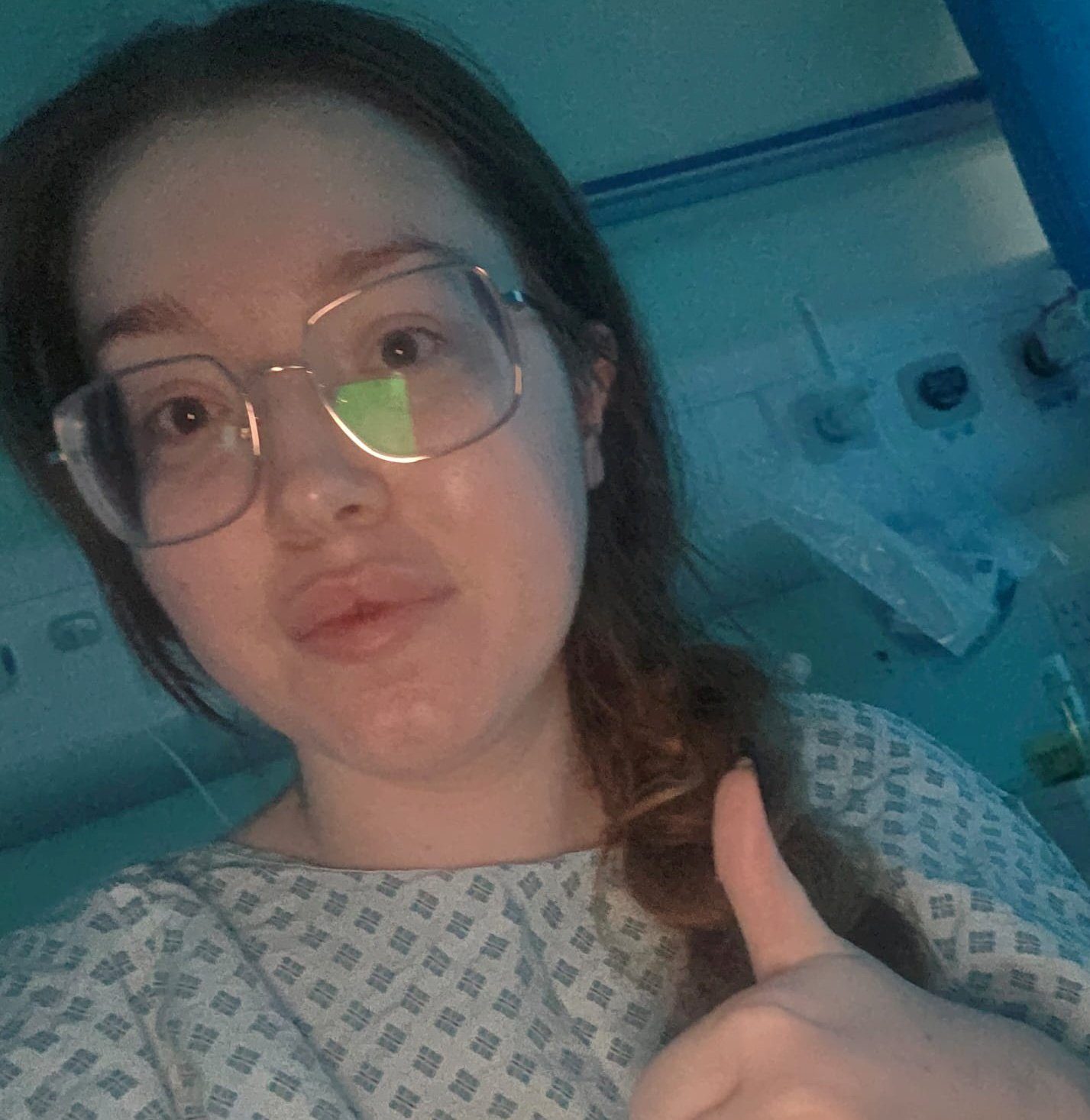
Determined to fight back, Chelsea has launched a Facebook page to vlog her journey and shine a light on FND, hoping her story will resonate with others battling the same illness. She plans to regularly post videos documenting her daily reality with the condition, between the rigorous medication routines and how it impacts her mental health.
“I can’t work, so I’m putting all my time into raising awareness,” Chelsea adds. “I want to share everything, because I know it will help people.”
Do you have a story to share? Get in touch by emailing LifestyleTeam@.co.uk.
