COP Climate Sites Emit 10x More Carbon Than Average Pages – Study Reveals
The Growing Carbon Footprint of COP Conference Websites
A recent study has revealed that websites produced for the United Nations climate summits, known as the Conference of the Parties (COP), emit up to 10 times more carbon than average internet pages. As this year’s climate summit begins in Brazil, researchers have highlighted a significant increase in the carbon emissions generated by these conference websites over time.
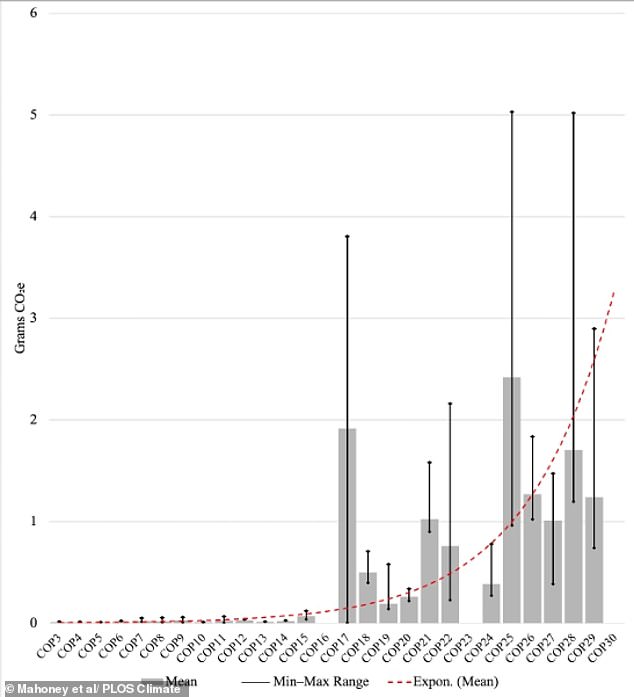
The analysis shows that between 1995, when the first COP was held, and 2024, the average emissions from COP host websites have increased by more than 13,000 per cent. This year’s website is expected to emit the equivalent of 313kg of CO2—enough to be absorbed by 15 mature trees in a year.
While part of the increase is due to the growth in computing power and internet use, the carbon footprint of COP sites remains significantly higher than that of average webpages. Scientists suggest this is because COP pages increasingly use content that requires more computing power, such as high-resolution images and videos.
Professor Melissa Terras, from Edinburgh University, said: “We chose to look at the COP conferences themselves, given they are the focus of so much discussion on climate change. Our research shows that the carbon cost of digital presence is often overlooked by even those who care about, and are meant to protect, the environment.”

Research Methodology and Key Findings
For their study, the team analyzed web archive data to assess changes in the carbon footprint of COP websites over a 30-year period. Their findings, published in the journal PLOS Climate, showed that emissions remained relatively low until COP14 in 2008, with sites emitting the equivalent of 0.02g of carbon per page view. However, from COP15 onwards, emissions rose sharply, with pages emitting an average of 2.4g of carbon per visit, with some sites emitting much more.
In contrast, the average website emits 0.36g of carbon per page view. PhD student David Mahoney, who worked on the study, said: “While AI rightly captures much of today's attention, websites remain the longest-standing and most widespread form of human-computer interaction, and one of the largest contributors to the internet's environmental impact. Our work shows how reusing web archives can expose this growing blind spot, even among organizations at the heart of climate discussions, and help identify practical ways to cut digital emissions.”
Design Elements and Environmental Impact
The homepage for last year’s COP, held in Baku, Azerbaijan, features a moving video at the top of the screen along with photographs that expand when a mouse is hovered over them. Meanwhile, the homepage for COP28, held in Dubai, includes three main videos and a moveable sliding 'status report'.

According to the study, the conference with the highest average CO2 emissions per page view was COP25, held in Madrid. The website created for that conference was described as "heavily media based...with some individual webpage links dynamically updating content." This kind of multimedia requires greater computing power than older, more basic websites.
Strategies to Reduce Website Carbon Footprints
The team suggests several ways to reduce the carbon footprint of websites, including placing strict limits on page sizes, optimizing layouts, and hosting websites on servers powered by renewable energy.
Understanding the Internet’s Carbon Footprint
Every website on the internet has a carbon footprint that comes from three main sources: manufacturing and running the devices used to access the web, building and maintaining the networks that provide Wi-Fi, and powering the data centers that host every page. This energy is often generated from fossil fuels, which leads to harmful greenhouse gas emissions.
The carbon footprint increases with the complexity of a website, with high-res images and videos boosting the amount of energy needed to run a page.
Earlier this year, researchers warned that including email signatures at the end of messages could harm the planet. Dr. Joshua Pearce, an IT professor at Western University in Canada, said signatures put an extra, unnecessary strain on IT infrastructure that burns energy 24/7 to operate.
In a recent study, he looked at the impact of including gender pronouns in email signatures. According to his results, these additions could contribute to the premature deaths of one person a year in Canada. Based on these findings, Dr. Pearce is calling for email signatures to be banned entirely.
Ongoing Concerns and Questions
As the COP summit continues, there are ongoing concerns about its environmental impact. Will the dramatic carbon footprint of the recent COP summit in Dubai eclipse previous events amid accusations of backdoor oil deals? Are private jets landing at COP29 skyrocketing, doubling last year’s numbers amid global climate change discussions?
Was Britain’s delegation to the COP29 summit a staggering display of hypocrisy and excessive spending despite the Net Zero agenda? How can COP30 claim environmental progress amid the hypocritical high-flying habits of world leaders? Which elite corporations are responsible for a staggering share of the globe’s carbon emissions, with just 36 firms making up the majority in 2023?
