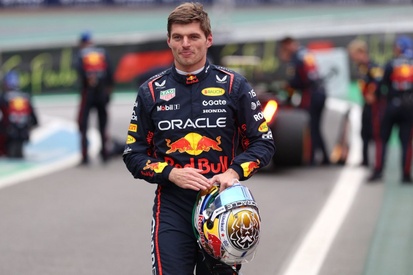
Could Verstappen Have Won F1 Brazil GP From Pitlane?
Max Verstappen's Heroic Sao Paulo Drive
One year after securing a remarkable victory from 17th on the grid, Max Verstappen once again delivered a stunning performance in Sao Paulo, making his way from the pitlane to the Formula 1 podium. But could the world champion have claimed the win?
Last year, Verstappen benefited from favorable weather conditions that allowed him to showcase his wet-weather skills, creating new racing lines on the Interlagos track and overtaking multiple competitors. This year, however, he achieved an impressive feat in the dry conditions.
Red Bull made significant changes to Verstappen’s car, including a fresh power unit, which led to him starting the Brazil GP from the pitlane. Despite this, Verstappen displayed exceptional pace throughout the race, but not without challenges.
Verstappen encountered an early puncture due to debris, forcing him to pit under a virtual safety car on lap 6. This change in strategy pushed him onto a three-stop plan. According to McLaren's Lando Norris and Andrea Stella, Verstappen's performance was so strong that he could have potentially won the race had he started higher up the grid.
"Without the situation in qualifying, I think Verstappen would have been there for the victory," said Stella, with similar sentiments from Norris highlighting the potential for a different outcome.
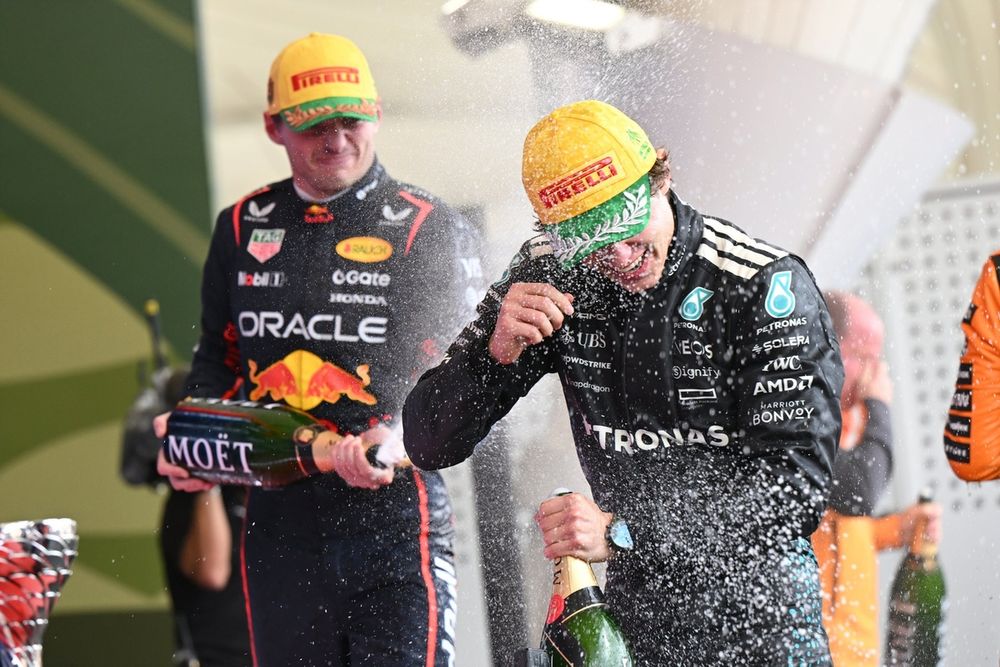
Starting from an unprecedented 16th position, Verstappen's performance was hard to explain, but it likely stemmed from Red Bull's incorrect choice of ride heights during qualifying. The team opted for a pitlane start to adjust the car's setup, which provided a straight-line speed boost that helped Verstappen overtake cars at the main overtaking zone at Turn 1.
The RB21's pace was such that Verstappen twice overtook Norris after the championship leader pitted, leading the race by 10 seconds with 17 laps remaining. This raises the question of whether Verstappen should have considered a two-stop strategy instead of a third stop for soft tyres.
The Real Impact of Verstappen's Puncture
Interestingly, Verstappen's early puncture might have actually worked in his favor. Starting on hards, he was one of the few drivers who used the C2 compound, while others tried to switch to softer tyres as soon as possible. Alonso's poor performance on the hard tyre also influenced McLaren's decision to avoid a one-stop strategy for Oscar Piastri.
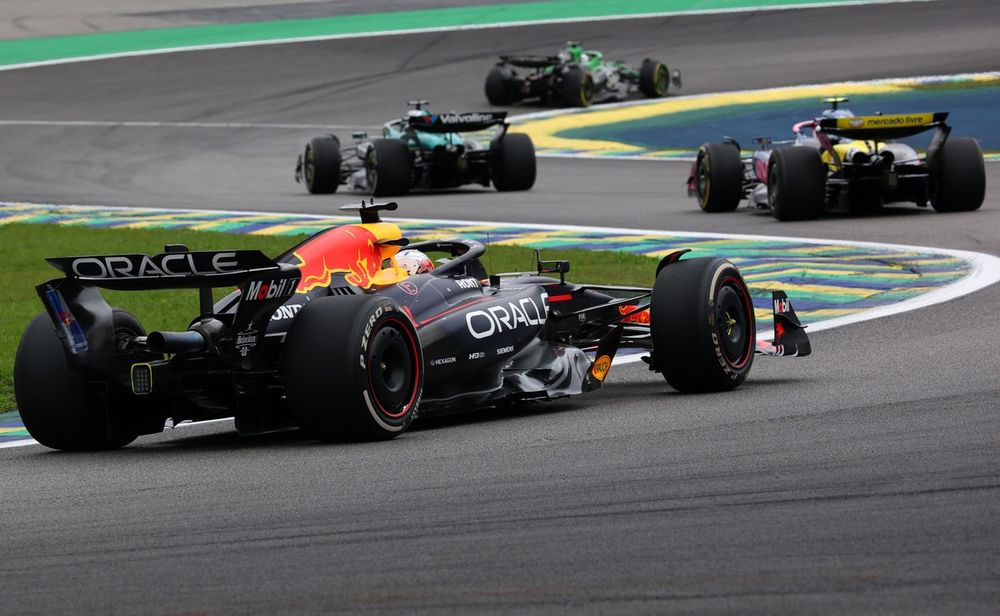
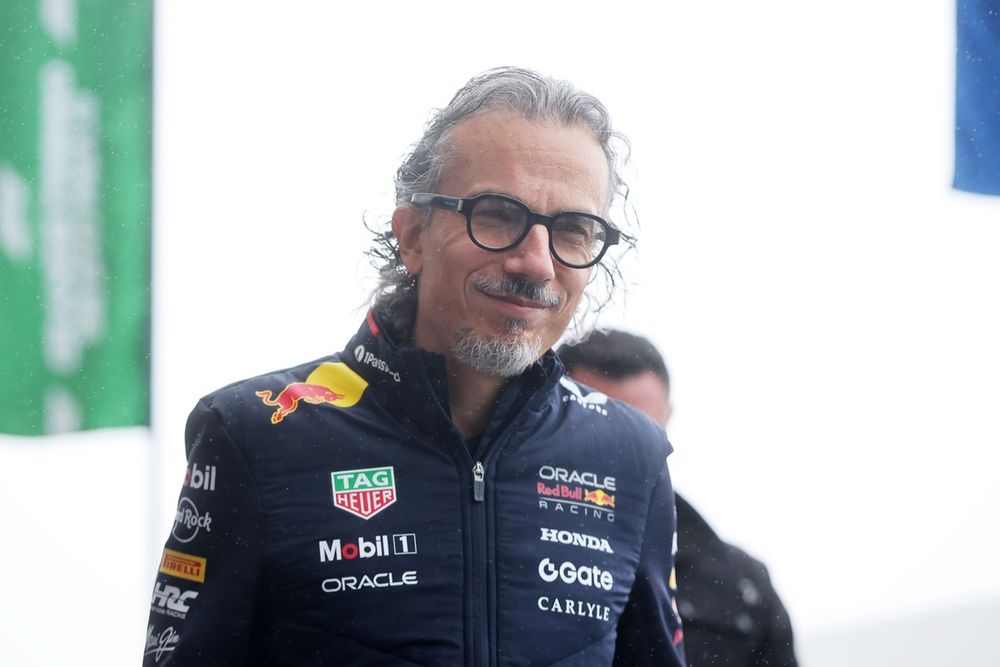
Verstappen's puncture gave him an opportunity to switch to mediums, which proved more effective. However, according to Red Bull team boss Laurent Mekies, the VSC stop forced him into a three-stop strategy, which limited his options.
"If you go a few laps longer in the whole sequence - hard, medium - then maybe at that stage you don't do that final stop," Mekies said, highlighting the challenges of tire degradation.
Liam Lawson's 52-lap stint on mediums showed that a two-stop strategy was feasible, but the high degradation meant Verstappen would have faced intense pressure from Norris and the Mercedes cars.
Verstappen acknowledged the difficulty of the situation, stating that it was impossible to know what his ultimate pace would have been on the hard tyre. He felt comfortable on both the medium and soft compounds, but the need to pass numerous cars wore out his tires more than expected.
"I had to pass quite a few cars, you’re overheating tyres constantly, so that was a bit more of a difficult stint towards the end," Verstappen admitted. "But still, a very strong race for us."
Stella believed that Red Bull's three-stop strategy was the right call, and Mekies agreed, stating that a win was unlikely regardless of strategic decisions.
"No, we don't think it was winnable," Mekies said. "We would probably never know where we would have finished, but obviously it's a discussion that the guys had on the pit wall. At some stage you need to make the call, and the call was made."