Crush: The Truth Behind It All
The Madness of a Crush: Why We Go Insane When We Like Someone
There’s a growing trend on social media where people are openly sharing their experiences of going “insane” when they develop a crush. One such post by Snarly Carly, which went viral this week, stated that she starts to show signs similar to someone experiencing psychosis when she likes someone. This sentiment has resonated with many, leading to countless posts and comments expressing the same feelings.
TikToker Chiara King also shared her experience in a popular video titled “One of my favourite parts about life is when you start to like a guy and then you go insane.” The video has garnered over 3.2 million views and 370k likes, with many viewers relating to her humorous take on the chaos of a crush. Comments range from “I’m telling you never again. I don’t want to like anyone again” to “I’m in the insane part and realize that I will just go back to my celibacy, want my peace back.”
This phenomenon isn’t just limited to social media. In personal conversations, friends often share stories of how they’ve acted out of character during the early stages of liking someone. These include things like checking someone’s business accounts on Companies House, watching a TV show just to bring it up in conversation, or even getting a tattoo to spend time with them at the parlour. Some have gone as far as altering their daily routines to cross paths with someone they’re interested in, such as changing their commute to pass by their favorite pub.
In my own experience, I once paid an Etsy witch to cast a love spell, stalked someone’s Instagram account obsessively, and re-read our texts as if they were literary masterpieces. It was a very intense phase, and I wasn’t alone in feeling this way.
The Science Behind the Madness
Why do we go so crazy when we have a crush? And is it really getting worse?
According to certified clinical sexologist and dating coach Myisha Battle, there's a lot happening in our bodies when we enter “crush mode.” She explains:
“Dopamine, the feel-good hormone, and oxytocin, which helps with bonding, increase. Both chemicals actually occur when we’re in love, too, but at more stable and sustainable levels. In those early days, it can lead to a mixture of anxiety, anticipation and hope, and that’s a very powerful tonic. It makes us feel high.”
Psychologist Dr. Candice O’Neil adds that the adrenaline spike associated with a crush is similar to the fight or flight stress response. This can leave people feeling isolated, anxious, stressed, insecure, and lost. The hormonal changes also make us feel connected to someone we barely know, sometimes leading to limerance—a state of intense and obsessive infatuation.
Dr. O’Neil explains:
“Limerance is an altered biological state that leads to overthinking and can be similar to addiction. If it’s a crush, and it doesn’t work out, you might think ‘Okay, it’s not meant to be,’ but in limerance, it would be more, ‘Why is he doing this to me? If I get hold of him, I can convince him.’”
She has seen clients who become so consumed by limerance that they stop seeing their loved ones and take days off work. People with childhood trauma or neglect issues are more prone to these compulsive behaviors.
Is Crushing Harder in 2025?
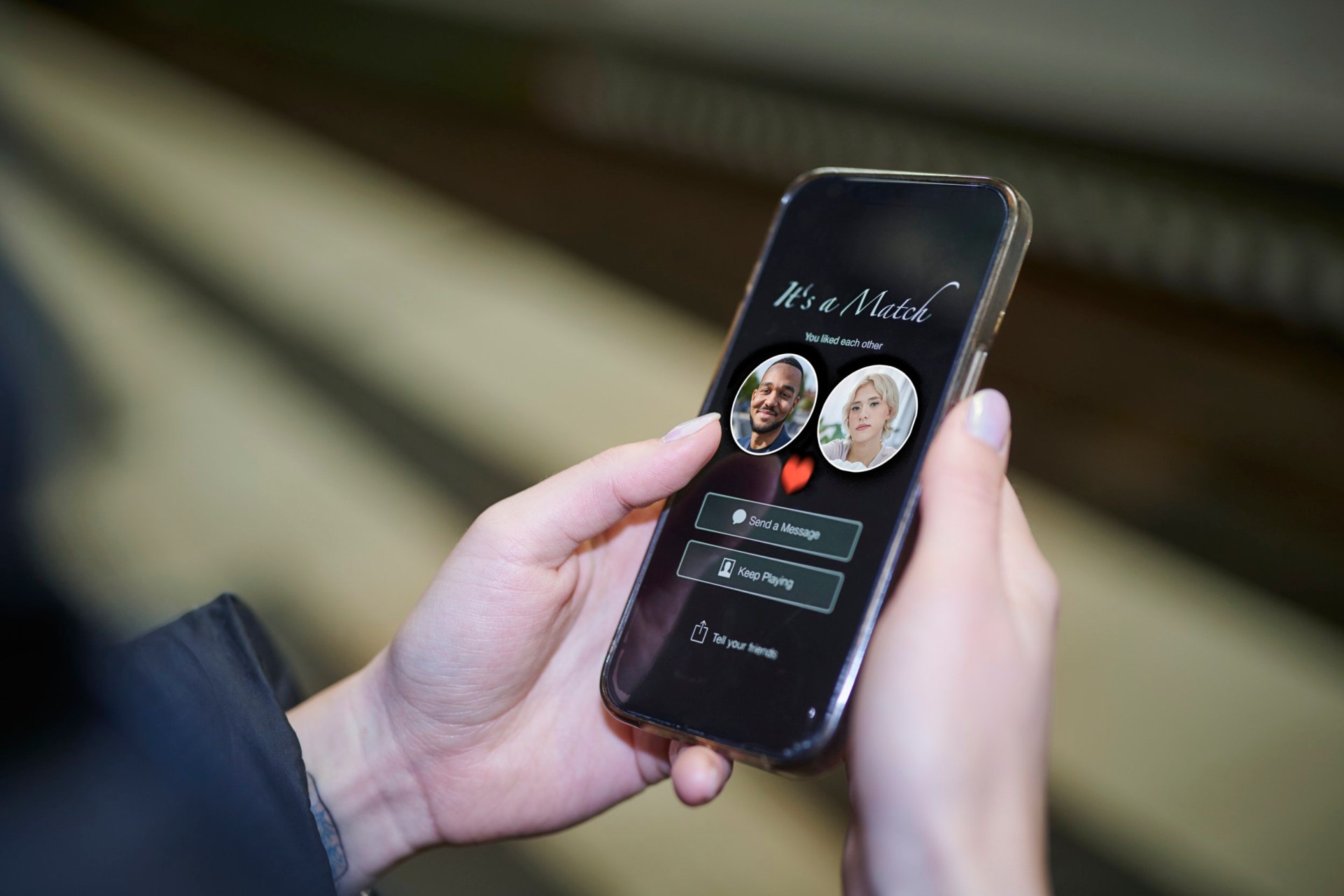
While acting out of character after romantic feelings isn’t new, some experts believe it’s worsening. Dr. O’Neil attributes this to the “transactional way of dating” and the “traumatic and deeply hurtful” way people disappear without explanation, especially with the rise of online dating. A survey by Plenty of Fish found that 80% of single Brits have been ghosted.
Myisha Battle adds that the lack of politeness in modern dating can contribute to the emotional turmoil. She believes people deserve respect and consideration, and more clarity could help reduce the pain of rejection.
Dr. O’Neil also suggests that the increased rarity of in-person meetings might be contributing to the intensity of crushes. When people finally connect in person, it feels extra precious, making the desire for connection even stronger.
The Good News
Despite the chaos, there is good news. Dr. O’Neil points out that the ability to feel intense emotions for someone is a positive sign. She says:
“Isn’t it just really nice that we can create space to feel connection and intimacy with somebody? A crush can make us feel alive, present, and euphoric, rather than just putting one foot in front of the other each day. It takes us out of the mundane and reminds us we’re here on this earth.”
Coping with the impact of a crush is possible. Dr. O’Neil advises starting with self-compassion and recognizing when thoughts about the person are spiraling. Limiting “crush time” to a specific part of the day can help manage the behavior. She also recommends asking oneself, “Who am I? What do I stand for? What am I actually needing in a relationship?” to gain clarity.
Myisha Battle adds that while it’s hard to be completely resilient, there are still benefits to the experience. She suggests reflecting on what qualities you liked in the crush and using that to guide future relationships.