Discover the 'Mona Lisa Bible' in Rome's exhibition
The Unveiling of a Renaissance Masterpiece
A remarkable 15th-century Bible, adorned with gold and Afghan lapis lazuli, has been revealed in Rome as part of the Vatican’s Holy Year celebrations. This two-volume manuscript, usually kept in Modena, is regarded as one of the most stunning examples of Renaissance illuminated manuscripts. It is also believed to have been one of the most expensive books of its time.
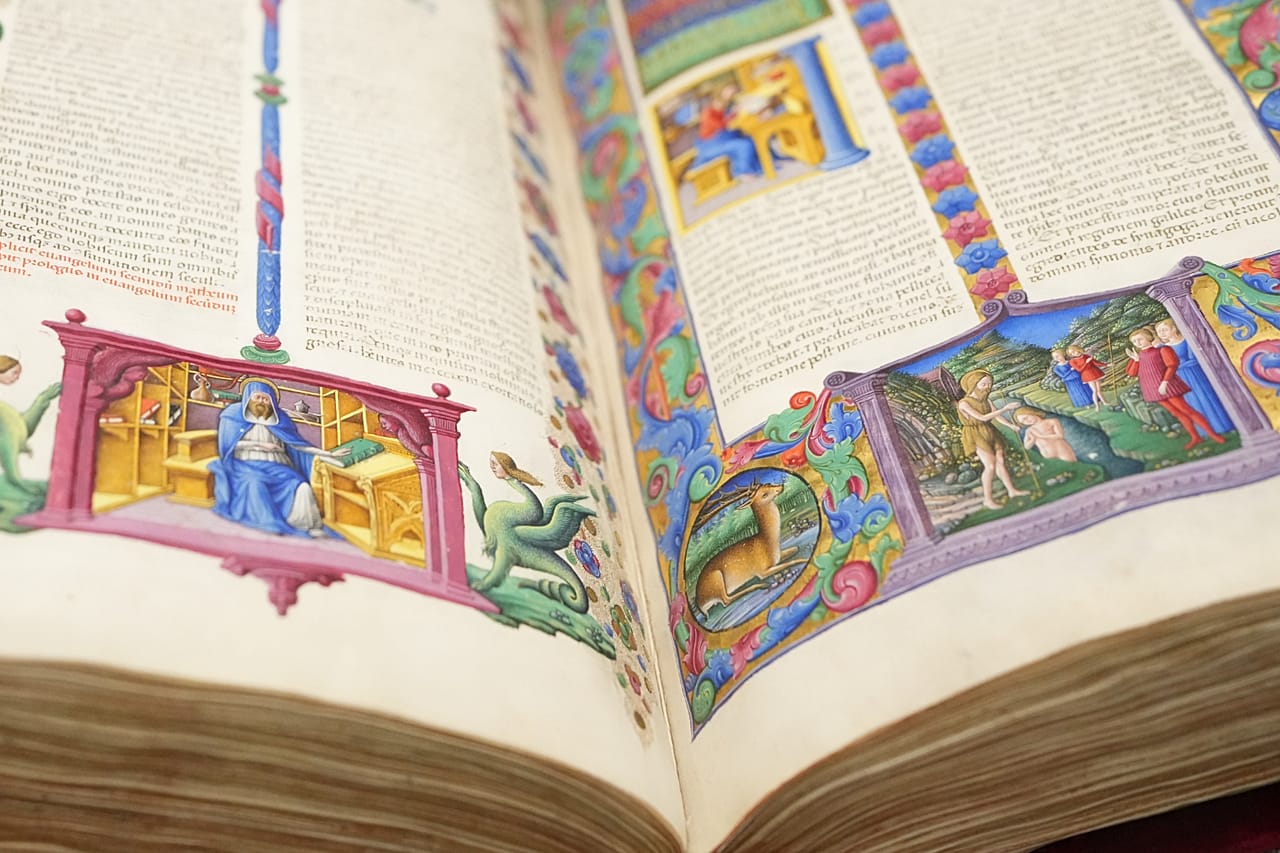
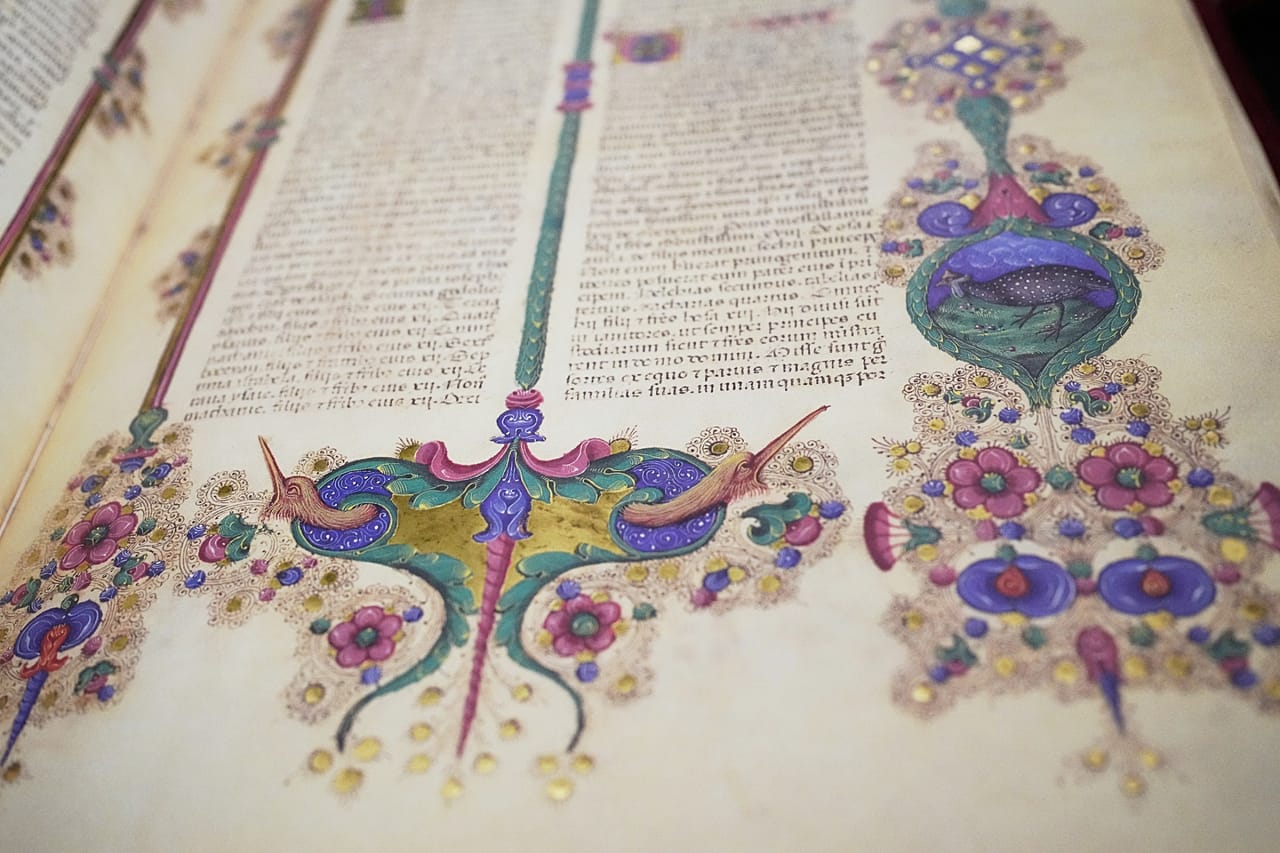
The Bible was commissioned by Duke Borso D’Este and created between 1455 and 1461 by calligrapher Pietro Paolo Marone and illustrators Taddeo Crivelli and Franco dei Russi. Its intricate design and use of precious materials make it an extraordinary work of art. The manuscript followed the Este family from Ferrara to Modena, where it remained until the family lost control of the city in 1859. At that time, the last duke fled to Vienna, and the Bible stayed among noble European families for many years.
In 1922, the Bible was sold by Austria’s last empress to a Parisian antique collector. Later, Italian industrialist Giovanni Treccani purchased the Bible in 1923 for 3.3 million French francs and donated it to the Italian state.
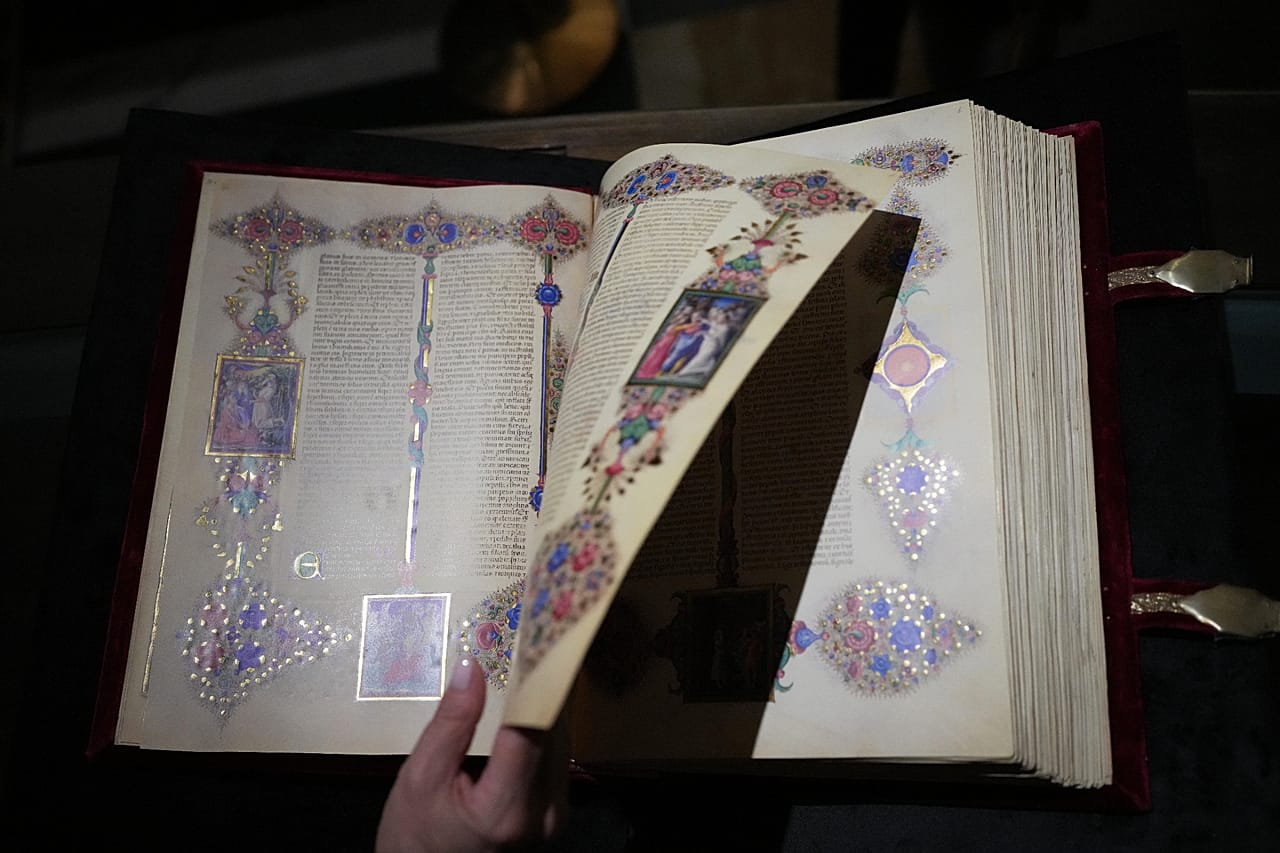
Alessandra Necci, director of Gallerie Estense in Modena, where the Bible is usually housed, describes it as the “Mona Lisa of illuminated manuscripts” due to its exceptional artistry and religious inspiration. The Italian Culture Ministry recognizes it as one of the highest expressions of miniature art, combining sacred value, historical significance, precious materials, and refined aesthetics.
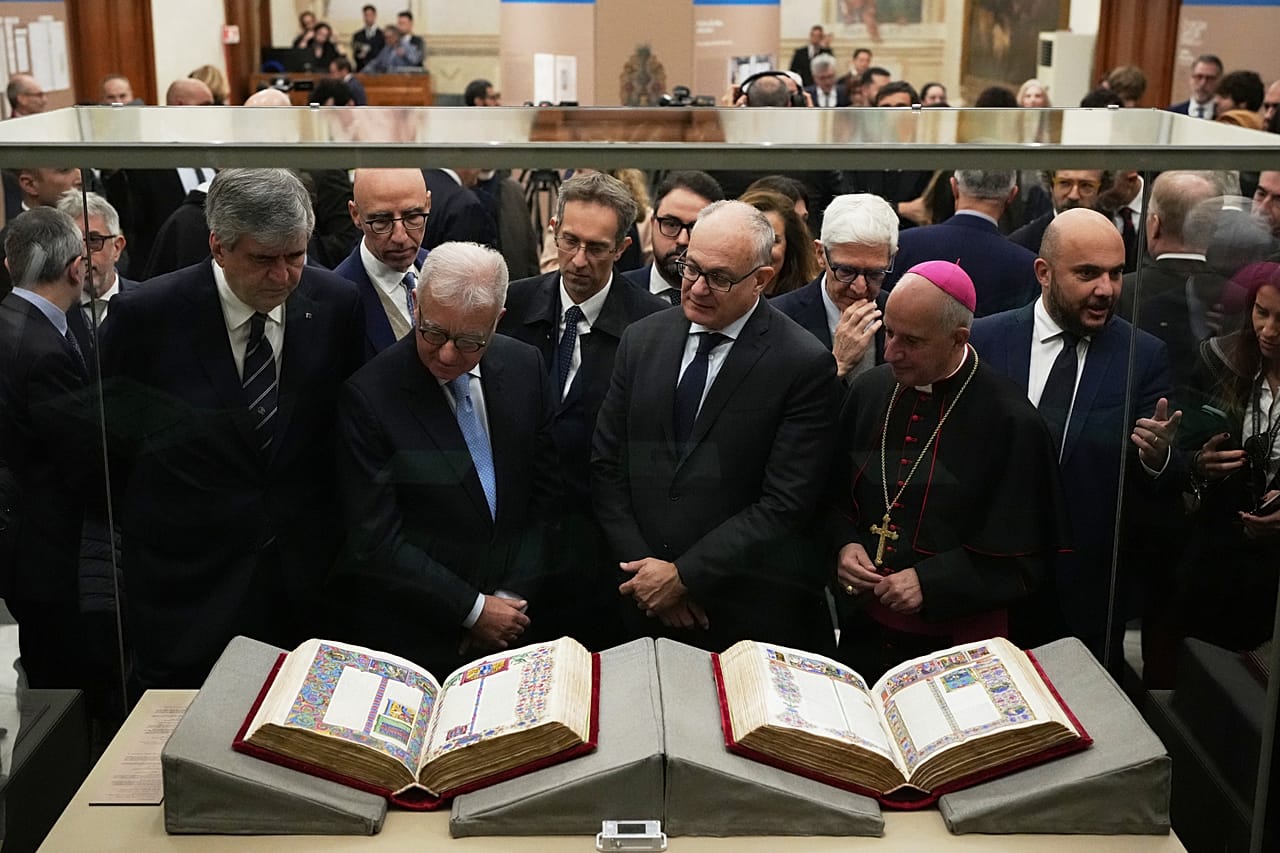
The Bible was transported to Rome under strict security measures, and its arrival at the Italian Senate was broadcast on television. During its stay in Rome, it will be protected behind humidity-controlled plate glass. However, visitors can still experience the Bible through digital touch screen displays that offer ultra-high-resolution images.
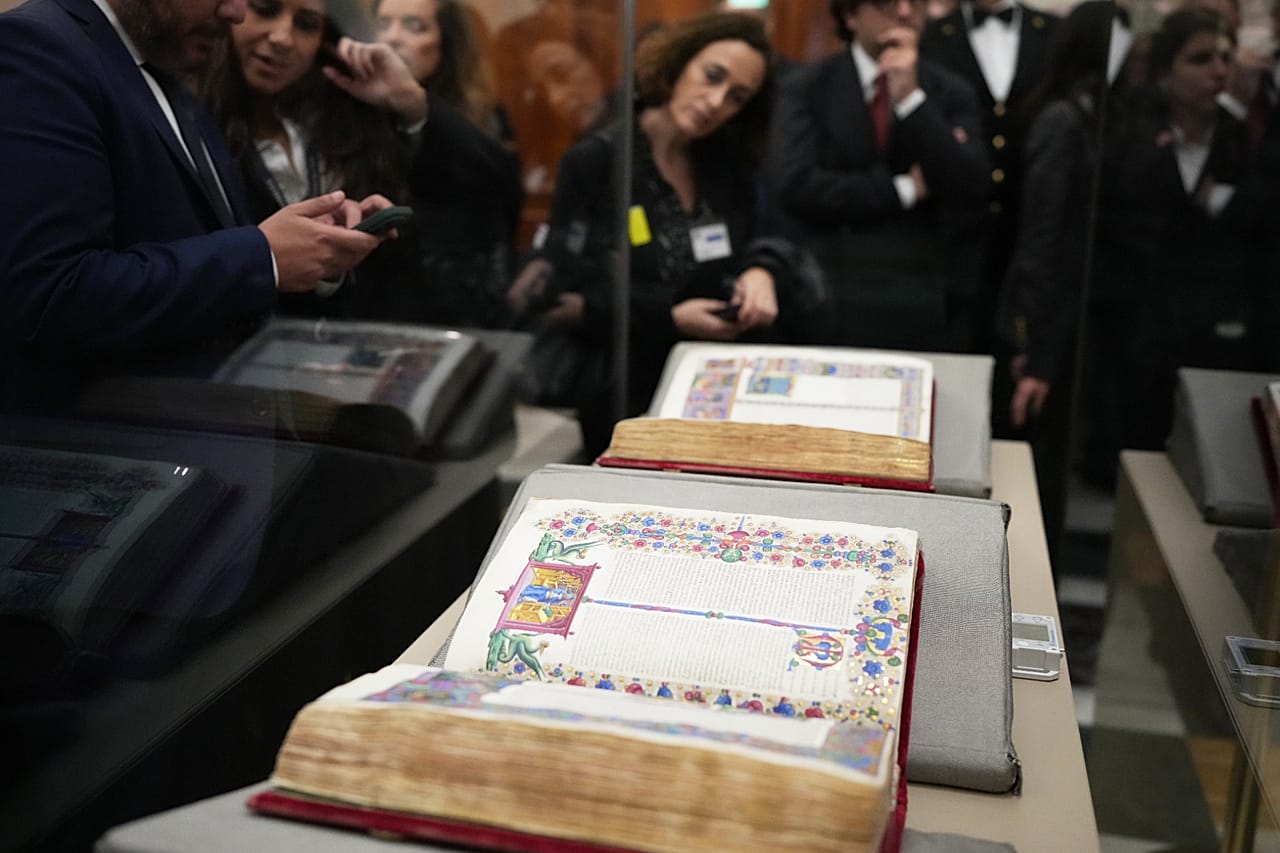
The 'Mona Lisa Bible' is currently on display in the Italian Senate and will remain there until 16 January. This rare opportunity allows the public to appreciate the beauty and historical importance of this magnificent artifact. The exhibition highlights not only the artistic achievements of the Renaissance but also the cultural heritage of Italy.
Key Highlights of the Exhibition
- Historical Significance: The Bible is a testament to the craftsmanship and artistic vision of the Renaissance period.
- Artistic Value: The use of gold and lapis lazuli showcases the luxurious materials used in illuminated manuscripts.
- Cultural Heritage: The Bible has passed through the hands of various noble families before being donated to the Italian state.
- Modern Accessibility: Visitors can view the Bible digitally, ensuring that its beauty and history are accessible to a wider audience.
This exhibition offers a unique glimpse into the past and underscores the enduring legacy of Renaissance art. The 'Mona Lisa Bible' continues to captivate audiences with its intricate details and spiritual significance. As it travels to Rome, it serves as a reminder of the rich cultural tapestry that defines Italy's artistic heritage.
