Double the Joy: The Science Behind Gin and Tonic's Health Benefits
The Legacy of Gin and Tonic: A Historical and Health Perspective
Gin and tonic has long been a staple in British culture, with its roots tracing back to the 19th century. Winston Churchill once humorously claimed that the drink had "saved more Englishmen's lives and minds than all the doctors in the Empire," highlighting its historical significance. Today, the iconic cocktail continues to be a favorite among Britons, both for its taste and its cultural impact.
The origins of the gin and tonic can be linked to India during the 1800s, where the Royal Navy distributed tonic water rich in quinine. Quinine was known for its anti-malarial properties, but the bitter taste made it difficult for sailors to consume. To make it more palatable, admirals suggested mixing it with sugar, lime, water, and gin, giving birth to the drink we know today.
While Churchill may have exaggerated the health benefits of the combination, experts agree that choosing a low-calorie drink like gin and tonic can be a healthier option for those who still wish to enjoy alcohol. Nutritionists emphasize that while no alcoholic drink is entirely healthy, making informed choices can help reduce negative impacts on the body.
Health Considerations and Nutritional Benefits
Registered longevity nutritionist Ruchi Bhuwania Lohia explains that swapping high-calorie drinks for clear spirits like gin can be kinder to the gut and waistline. She notes that one shot of gin contains around 50 calories, compared to about 130 calories in a medium glass of wine or 200-300 calories in a pint of beer. This makes gin and tonic a better choice for those looking to manage their calorie intake.
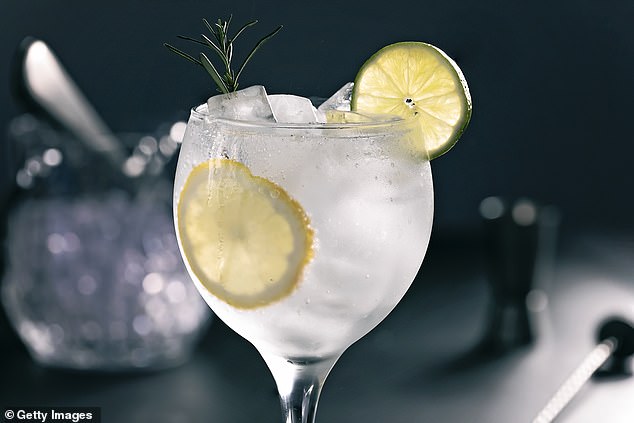
Nutritionist GQ Jordan adds that clear spirits are easier to metabolize, reducing stress on the body. The botanicals in gin also contribute to a bitter flavor that can slow down drinking, helping individuals pace themselves better.
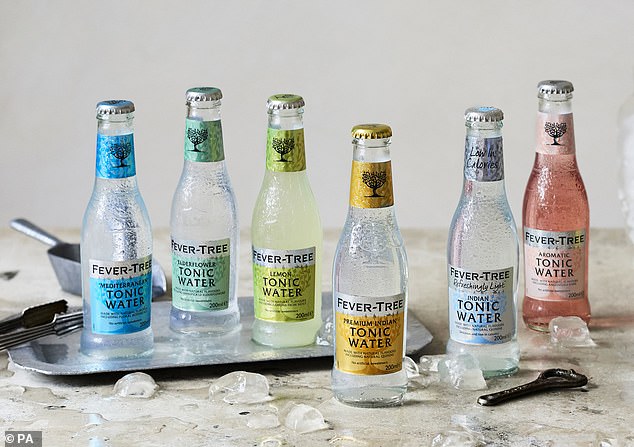
When choosing a mixer, it's important to consider the calorie content. A 200ml serving of light tonic contains around 30 calories, keeping a single G&T under the 100-calorie mark per glass. However, using sugary mixers like cola can add unnecessary calories and affect blood sugar balance, potentially leading to cravings later on.
Calories and Long-Term Impact
According to NHS data, the average British man consumes 17.6 units of alcohol weekly, equivalent to eight to nine pints of lager. Switching to gin and tonics could significantly reduce calorie intake. For instance, replacing eight pints of lager with the same number of G&Ts would save around 900 empty calories per week, potentially leading to weight loss over time.
However, experts caution that there are no actual health benefits from the ingredients in a G&T. While quinine was historically used to prevent malaria, modern tonics contain much less of the compound. Fever Tree tonic, for example, has the highest levels at 0.39 mg/mL, far below the therapeutic dose required for malaria prevention.


Consuming large amounts of quinine can lead to adverse effects such as heart rhythm disturbances, low blood sugar, and allergic reactions. Similarly, while juniper berries used in gin production contain antioxidants and vitamin C, there is not enough of them in a typical serving to provide any significant health benefits.
Myths and Misconceptions
One common myth is that gin is packed with antioxidants due to the juniper berries. While these berries do contain beneficial compounds, the quantities found in modern gin are insufficient to offer any real health advantages. Experts advise focusing on informed choices rather than relying on myths.
GQ Jordan recommends that clients who choose to drink should start with two drinks they truly enjoy before considering non-alcoholic alternatives. She also emphasizes the importance of staying hydrated by drinking water between each alcoholic beverage.
Conclusion
While the gin and tonic remains a beloved drink in Britain, its health benefits are often overstated. Making smart choices about what you drink can help mitigate some of the negative impacts of alcohol consumption. Whether you're swapping beer for gin and tonic or exploring zero-alcohol options, the key is to make informed decisions that align with your health goals.
