EES Border Checks Delayed Until 2026 to Ease Christmas Travel Rush
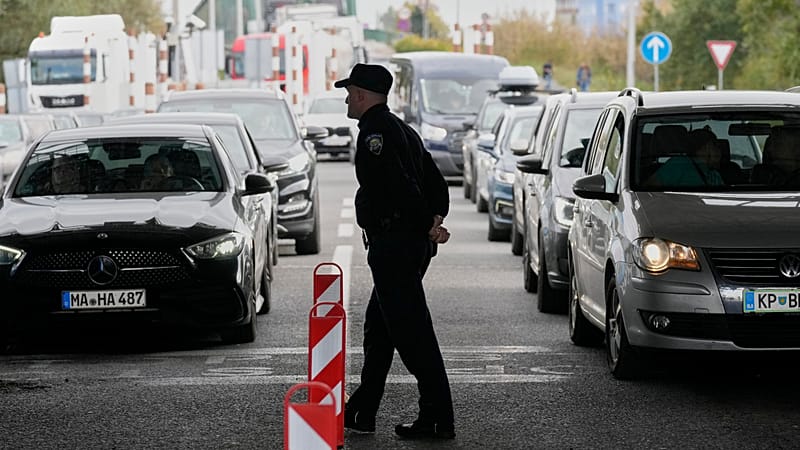
Introduction to the EU’s Entry/Exit System (EES) at Dover
The rollout of the European Union's new Entry/Exit System (EES) for tourists at the Port of Dover has been postponed until 2026, according to recent statements from port officials. Initially planned to commence on 1 November for tourist traffic, the system was paused just a day before its scheduled launch.
This delay is aimed at preventing potential disruptions during the busy holiday season. The EES is already active for ferry passengers traveling in coaches and has been implemented for coaches and freight since 12 October. However, the system for tourists arriving by car will now be introduced in early 2026.
Reasons Behind the Delay
Port authorities have emphasized that they are collaborating closely with their French border agency counterparts to ensure a smooth implementation of the EES for tourist passengers. They mentioned that the decision to push back the launch was made to avoid significant changes for passengers during the end-of-year travel rush.
The gradual rollout of the EES across EU borders is intended to provide countries with sufficient time to install the necessary technology and prepare travelers. This phased approach allows for a more controlled transition and minimizes the impact on daily operations.
Impact on Travelers
Authorities have noted that “significant progress” has been made in streamlining the digital border checks, aiming to reduce disruption for travelers. The EES requires third-party nationals, including British citizens, to provide fingerprints and photos as part of enhanced security measures within the EU.
Since the introduction of the EES for coach, freight, and foot passengers in October, nearly 13,000 traveler profiles have been successfully created at Dover. Despite these achievements, the port has not yet announced a specific date for the launch of the EES for tourist traffic.
What Travelers Should Know
Passengers are advised to stay updated through their ferry operators as the rollout approaches. They should also allow extra time for their journeys during the transition period. Currently, it takes around 60 seconds to process each car at the border. With the EES in place for tourist traffic, this process will involve passengers exiting their vehicles to register at dedicated electronic kiosks.
This change could result in processing times being six times longer for cars, as previously warned by the Port of Dover. Therefore, travelers need to plan accordingly and remain informed about any updates related to the EES.
Summary of Key Points
- The EES for tourists at Dover has been delayed until 2026.
- The system is already live for coaches, freight, and foot passengers.
- The delay aims to prevent travel chaos during the Christmas period.
- Authorities are working with French border agencies to ensure a smooth transition.
- Passengers should allow extra time for their journeys and stay informed via their ferry operators.
- The EES requires fingerprints and photos for third-party nationals.
- Processing times for cars may increase significantly with the new system.
