EU Increases Emergency Aid Following Typhoon Kalmaegi
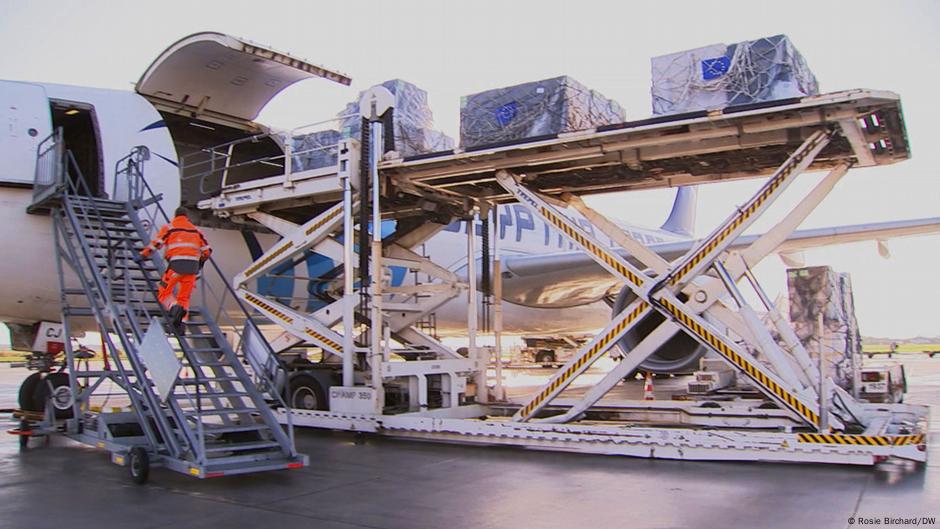
EU Provides Additional Humanitarian Aid Following Typhoon Impact
The European Union (EU) has taken significant steps to support regions affected by the recent natural disasters, particularly following the impact of Typhoon Kalmaegi. On November 13, the EU announced the release of an additional €200,000 (over $230,000) in humanitarian assistance. This contribution comes after the EU had already provided €650,000 (almost $760,000) last month to address the effects of earlier tropical cyclones that led to intensified monsoon rains and widespread flooding across multiple areas.
Support Through Advanced Technology
In October, the EU activated the Copernicus Emergency Management Service, a key tool for disaster response. This service uses satellite-based technology to create emergency maps, which are essential for coordinating relief efforts and ensuring that aid reaches those in need efficiently. The maps help humanitarian organizations and local authorities to plan their operations more effectively, especially in areas where infrastructure may have been damaged or disrupted.
Historical Context of EU Aid
The EU has a long history of providing aid in response to major natural disasters. For instance, after Cyclone Yagi struck last year, the bloc allocated €800,000 (over $930,000) in humanitarian assistance to support communities in Vietnam. This demonstrates the EU's commitment to offering timely and effective support to countries facing severe weather-related challenges.
Collaboration Through the EU Civil Protection Mechanism
Vietnam, one of the countries affected by these natural disasters, has also activated the EU Civil Protection Mechanism. This mechanism allows the country to request in-kind assistance from the EU and its member states. Through this system, the EU acts as a central point of contact, facilitating communication between the affected country and the various member states involved in the response. This ensures that requests for aid are efficiently processed and that resources are distributed where they are most needed.
EU as a Global Leader in Humanitarian Aid
As the world's leading donor of humanitarian aid, the EU views relief assistance as a fundamental expression of European solidarity with people in need. The EU's humanitarian efforts are aimed at saving lives, preventing and alleviating human suffering, and safeguarding the dignity and integrity of populations affected by both natural disasters and man-made crises. This approach underscores the EU's role as a key player in global humanitarian responses.
Key Objectives of EU Humanitarian Aid
The EU’s humanitarian aid initiatives focus on several core objectives:
- Saving Lives: Ensuring that immediate needs such as food, water, shelter, and medical care are met.
- Preventing Suffering: Implementing measures to reduce the impact of disasters on vulnerable populations.
- Safeguarding Dignity: Supporting the restoration of basic services and infrastructure to allow affected communities to rebuild their lives.
These efforts highlight the EU's commitment to being a reliable and effective partner in global humanitarian efforts.
