First Snow Brings Joy to Santa's Village in Lapland
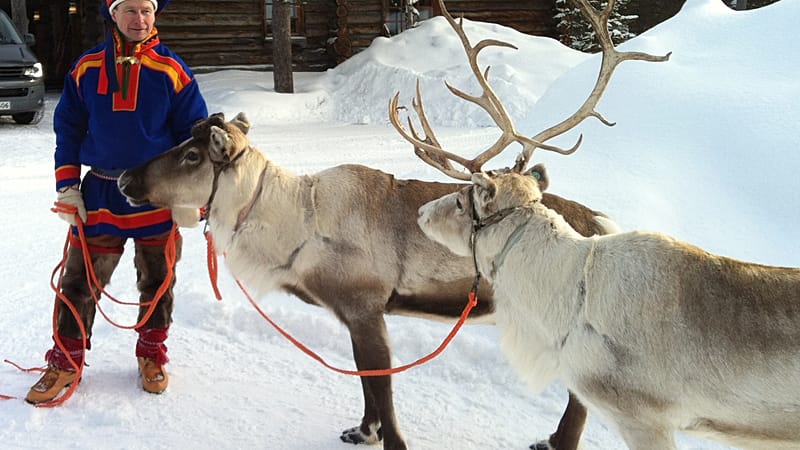
Lapland has experienced its first snowfall of the upcoming winter, sparking joy among children and tourists who visit Santa Claus Village. Many locals and visitors are hoping that the snow will remain, as the region endured an unusually long and warm autumn.
The third-warmest September on record — only surpassed by 2023 and 2024 — extended the anticipation for traditional winter conditions. This delay in the arrival of cold weather has raised concerns about the impact of climate change on seasonal patterns.
Climate Change and Weather Trends
The Finnish Meteorological Institute released data on 1 October indicating that average temperatures were 1.9 degrees Celsius higher than they would have been without the influence of climate change. This significant increase highlights the growing challenges faced by regions that rely on predictable seasonal changes.
The warming trend has not only affected Lapland but also other parts of Finland. The prolonged autumn has disrupted typical activities associated with the season, such as ice fishing, sledding, and the preparation for winter festivals. For many communities, these events are not just recreational but also cultural and economic pillars.
Impact on Tourism and Local Communities
Tourism in Lapland is heavily dependent on the arrival of winter. The snowfall brings a surge of visitors to Santa Claus Village, where people can meet the legendary figure and experience the magic of the North Pole. However, the delayed onset of snow has left some businesses concerned about the season's overall success.
Local guides and tour operators have expressed mixed feelings about the situation. While some see the opportunity to offer unique experiences during the transition period, others worry about the long-term effects of unpredictable weather. The uncertainty surrounding the timing of snowfall makes it difficult for businesses to plan effectively.
Environmental Concerns
The warming temperatures are also raising environmental concerns. Scientists warn that the increasing frequency of unseasonably warm weather could lead to long-term ecological imbalances. For example, animals that rely on snow cover for shelter or food may struggle to adapt to the changing conditions.
In addition, the lack of early snowfall affects the natural water cycle. Snow acts as a natural reservoir, slowly releasing water as it melts. Without sufficient snow accumulation, there is a risk of droughts later in the year, which could impact agriculture and local ecosystems.
What’s Next?
Despite the challenges, there is still hope that the snow will arrive in the coming weeks. Forecasters suggest that colder air masses may move in, bringing the first proper snowfall. However, the unpredictability of the weather means that residents and visitors alike must remain prepared for any outcome.
For now, the community continues to monitor the situation closely. Whether the snow stays or not, the spirit of the season remains strong, and the magic of Lapland continues to captivate those who visit.
