First UK Mini Nuclear Plant Approved for Wales by Rolls-Royce
A New Era for Nuclear Energy in the UK
Britain is on the brink of a major shift in its energy landscape with the announcement of its first-ever mini nuclear power station in Wales. This groundbreaking development, set to be built at Wylfa on the coast of Anglesey in North Wales, marks a significant step toward a future powered by small modular reactors (SMRs). The government has revealed plans to construct three SMRs at this site, which will collectively supply electricity to around 3 million homes.
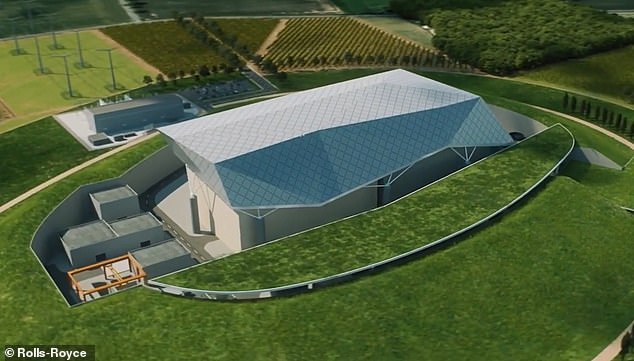
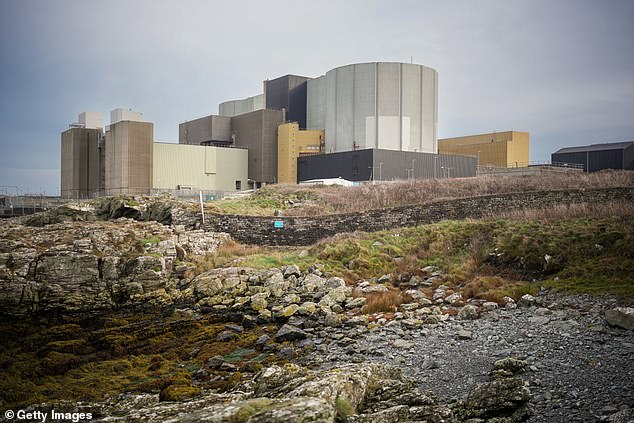
Each reactor, designed and manufactured by Rolls-Royce, is expected to provide enough power for approximately 1 million homes. These reactors are anticipated to operate for at least 60 years, making them a long-term solution to the country's energy needs. An artist’s impression of the facility shows a unique rectangular design that would cover an area roughly equivalent to two football pitches. The location, once home to an old nuclear power station that shut down in 2015, is poised to become a key player in the UK’s energy grid from the mid-2030s.
Simon Bowen, chair of Great British Energy-Nuclear, described the project as a "historic moment for the UK." He emphasized the potential for job creation, training opportunities, and the provision of low-carbon energy for future generations. This initiative is seen as a beacon of a nuclear golden age, with the possibility of expanding to eight reactors in the future.
Understanding Small Modular Reactors
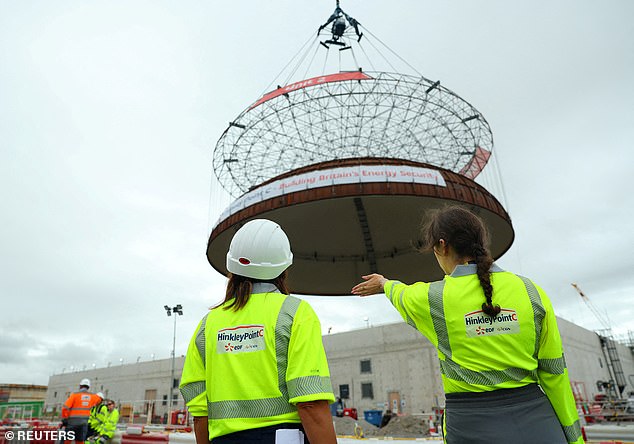
Small modular reactors (SMRs) are advanced nuclear reactors with a power capacity of up to 300 MW(e) per unit, which is about one-third of the generating capacity of traditional nuclear reactors. They are physically smaller than conventional reactors and are modular, meaning they can be factory-assembled and transported to a site for installation. This design allows for quicker and more cost-effective construction compared to larger plants like Hinkley Point C.
The process of generating energy in SMRs involves forcing radioactive elements to undergo fission, a process where the element breaks down into smaller, stable elements and releases heat. This heat can then be used to drive steam turbines, ultimately producing electricity. However, despite their advantages, critics argue that SMRs may not achieve the economy of scale of larger plants and could be unduly expensive.
Controversies and Concerns
While nuclear power is often touted as a safe, clean, and sustainable energy source, there are ongoing debates about its environmental impact. Although nuclear energy itself is renewable, the material used in fission reactions—uranium—is non-renewable and mined from the ground. Additionally, SMRs are likely to produce long-lasting nuclear waste, primarily spent uranium fuel, which remains radioactive and hazardous for extended periods.
Ed Lyman, director of nuclear power safety at the Union of Concerned Scientists, argues that the hype surrounding SMRs is overblown. He points out that SMRs are not more economical than large reactors, nor are they generally safer or more secure. Furthermore, he questions whether they will reduce the problem of managing radioactive waste. With virtually no experience operating SMRs worldwide, concerns about their reliability remain high.
Global Developments and Challenges
Globally, SMRs are currently under construction in China and Russia, while in the United States, TerraPower has applied for a permit to build one. However, this project would not technically qualify as an SMR due to its size. Google is also investing in the construction of seven SMRs from Kairos Power, aimed at supplying energy to its data centers.
Despite these developments, the UK’s decision to proceed with SMRs at Wylfa has sparked controversy. US ambassador Warren Stephens expressed disappointment, advocating for a larger reactor instead. He had been pushing for a gigawatt station at the site, with Westinghouse presenting plans to the UK government. Stephens emphasized the need for quick action to address energy prices and availability, stating that high energy costs could hinder the UK's relationship with the United States.
Economic Impact and Future Prospects
The Department for Energy Security and Net Zero (DESNZ) estimates that the Wylfa project will support up to 3,000 jobs in the local economy during the peak of construction. This highlights the potential economic benefits of the initiative, including job creation and skill development.
As the UK moves forward with its ambitious plans for a nuclear renaissance, the success of SMRs will depend on addressing concerns related to cost, safety, and waste management. The outcome of this project could redefine the country’s energy security and set a precedent for future nuclear developments.
