Flight chaos hits US airports due to staff shortages
Major Airports Face Widespread Delays and Cancellations
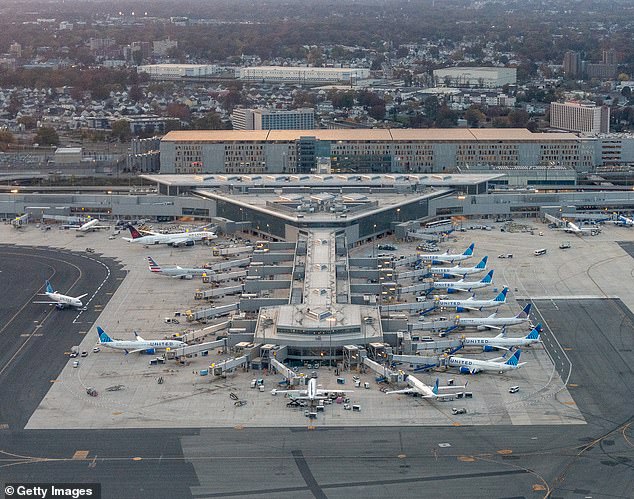
Major airports across the United States are experiencing a wave of delays and cancellations as staffing shortages caused by the government shutdown continue to disrupt air travel. This issue has hit several key airports in the Southwest, including Harry Reid International Airport in Las Vegas, Scottsdale Airport (SDL) near Phoenix, Phoenix Deer Valley (DVT), Phoenix-Mesa Gateway (IWA), and Chandler Municipal (CHD). These airports have all been affected by the lack of personnel, leading to significant disruptions.
The ground delays at these airports are having a ripple effect across the country. The Federal Aviation Administration (FAA) has warned that departure times along nearly all major US routes have been disrupted. Routes on the West Coast, Midwest, and East Coast are all experiencing flight delays due to the staffing problems in the Southwest.
The FAA estimates that the issue will last from 10:30 am ET until at least 5 pm on Monday, potentially affecting thousands of domestic flights. Due to the shortage of air traffic controllers in Arizona and Nevada, only 12 flights per hour are being allowed to take off during this window. This could result in average delays of around 34 minutes per flight, with some passengers waiting up to nearly three hours.
In addition to commercial flights, dozens of other major airports have grounded all private jets and charter flights on Monday. This includes airports in Atlanta, Boston, Chicago, Dallas, Denver, Los Angeles, New York, and Washington DC. The FAA and the US Department of Transportation have warned that airline cancellations will continue to increase each day until the government shutdown ends and air traffic controllers return to work.
Impact of the Government Shutdown on Air Travel
The growing delays and reduction in flights are part of a coordinated ground stop program by the federal government to prevent overcrowding in US airspace. This temporary cap on departures is intended to keep things safe and manageable due to the lack of available controllers to handle the usual volume of planes taking off across America.
Although air traffic control tower workers are considered essential employees and required to work without pay during the government shutdown, many have called out sick over the last month. Transportation Secretary Sean Duffy has noted this trend, highlighting the challenges faced by the aviation sector.
On Tuesday, the next stage of the government's rolling flight cancellations is set to go into effect if a deal to reopen the government is not completed. Last week, the FAA unveiled a plan to begin cancelling domestic flights at 40 of the country's busiest airports, with major airlines forced to ground four percent of their scheduled trips over the weekend. That number is set to grow to six percent on November 11, representing over 2,000 flights tomorrow.
If the government shutdown continues beyond Tuesday, the FAA's plan then calls for an increase to eight percent of domestic flights cancelled on Thursday, November 13, potentially axing roughly 2,800 flights nationwide.
Future Concerns and Potential Solutions
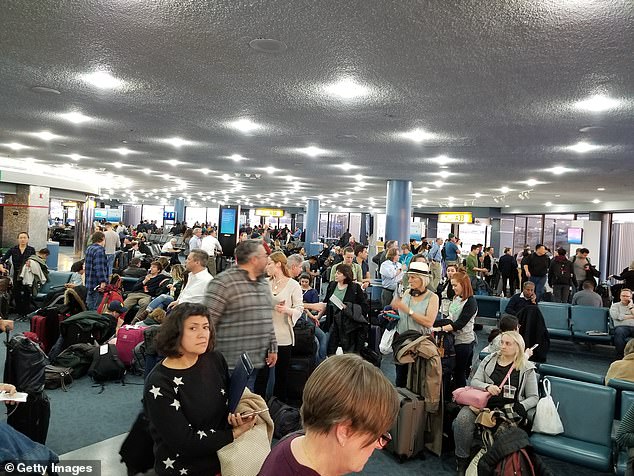
The situation raises concerns about the potential for an unprecedented travel nightmare as the government shutdown continues. With staffing shortages causing alarming flight delays, the safety and efficiency of air travel are under threat. The impact of the shutdown on major US airports is becoming increasingly evident, with more travelers facing the possibility of massive delays and cancellations.
As the situation unfolds, it remains to be seen how long the disruptions will last and what steps will be taken to resolve the staffing crisis. For now, passengers are advised to stay informed and plan accordingly, as the aviation industry continues to navigate the challenges posed by the ongoing government shutdown.
Ongoing Challenges and Public Response
The public has expressed frustration over the repeated disruptions in air travel, with many questioning the effectiveness of the government's response to the crisis. Airlines and airport authorities are working to manage the situation, but the scale of the problem is proving difficult to address.
With the FAA and other agencies continuing to monitor the situation, there is hope that a resolution to the government shutdown will be reached soon. Until then, travelers are urged to remain vigilant and check for updates on flight status and airport operations.
As the situation develops, further details and updates will be provided to keep the public informed about the latest changes and potential impacts on air travel.
