Food Take-Away: Spain's Big No to Daily Bread Habit
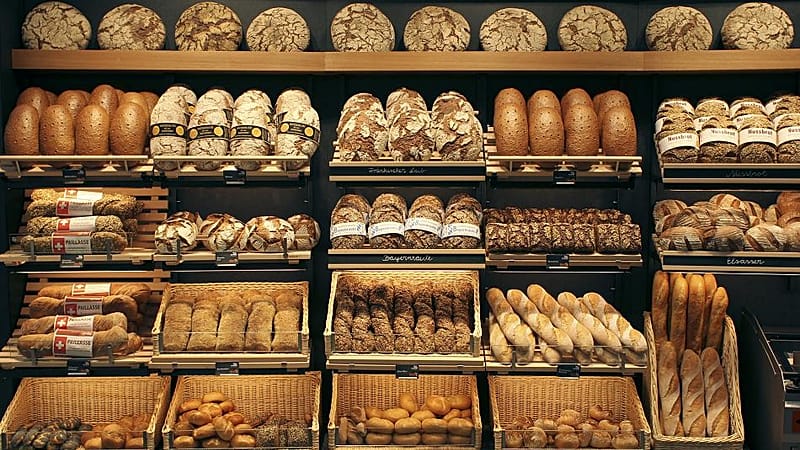
The Decline of Bread in Spanish Culture
Bread, a staple that has long been an essential part of every Spanish meal, is gradually disappearing from the nation’s tables. The statistics are alarming. In the early 1960s, each Spaniard consumed approximately 134 kilograms of bread annually. Today, that number has dropped to just 28 kilograms, marking an 80% decline. This significant drop reflects more than just a shift in dietary habits; it signals a broader cultural and generational transformation.
Generational Shifts and Changing Attitudes
According to José María Fernández, secretary general of the Spanish Confederation of Bakeries, there is a stark difference in how older and younger generations view bread. "My generation cannot imagine eating without bread, but my children and grandchildren can," he explains. Young people have turned to alternative sources of carbohydrates such as pizzas and pasta, often associating bread with weight gain and food intolerances.
This change in perception has contributed to a gradual but persistent shift away from the traditional Mediterranean diet. Over the past decade, bread consumption per capita has fallen by more than 20%, decreasing from 34.9 kilograms in 2015 to 27.82 kilograms in 2025. What was once a daily ritual—shopping for bread—has become increasingly rare.
Misconceptions About Nutrition
One of the main reasons behind this decline is the widespread misconception about bread's nutritional value. Silvia Martín of the Association of Bakery Industries highlights that bread has been unfairly criticized for being fattening. This belief has led to a significant portion of the population avoiding bread altogether. In fact, 29.2% of Spaniards follow a bread-free diet, while 24% do not consider it essential for a balanced diet.
The reality is quite different. Bread has a low fat content, and the industry has long been working to correct these misconceptions. However, many people still avoid gluten products, even if they are not intolerant, further contributing to the decline.
Impact on Traditional Bakeries
The crisis has hit traditional bakeries particularly hard. Four out of ten bakeries have closed since the start of the century, victims of declining consumption and challenges in passing the craft to the next generation. Bread has also become 30% more expensive over the past decade, leading to its increased presence in supermarkets and petrol stations, where industrial production dominates.
As the artisanal bakery 3Letras Pan pointed out on RTVE, the quality of bread has suffered due to industrialization. "What we have now is an industrial-level product with very short fermentation and flat flavors," they noted. This cycle of poor quality leading to reduced consumption and further industrialization is difficult to break.
A Niche Market for Quality Bread
Despite the bleak outlook, there is a growing segment of consumers who are choosing high-quality, wholemeal, or sourdough bread. Those who continue to consume bread are doing so more frequently and with greater awareness, indicating a market that is becoming polarized.
The industry is focusing on quality as a way to revive interest in bread. Escarpa states, "If real bread were made in all places where bread is made, consumption would increase significantly." The challenge lies in rekindling the culture of good bread in a society that has changed its relationship with traditional foods.
The Broader Implications
The decline in bread consumption in Spain is not just a culinary issue; it reflects a deeper social transformation. Changes in eating habits, persistent nutritional myths, evolving lifestyles, and the erosion of traditional gastronomic culture in the face of modernization are all at play.
Bread is not only disappearing from our plates; it is also taking with it a way of understanding food and communal living that has defined Spain for centuries. As the nation moves forward, the question remains: will the legacy of bread survive in the face of these changes?
