Fresh blow for 10 million sports fans in Singapore stuck in TV battle
Disney and YouTube TV's Contract Dispute
Disney's recent fourth-quarter earnings call brought more than just financial concerns for investors—it also raised worries for YouTube subscribers who were hoping to regain access to ESPN. The situation has sparked a significant debate over the terms of a licensing agreement between Disney and YouTube, with both sides presenting conflicting views on what constitutes fair value.
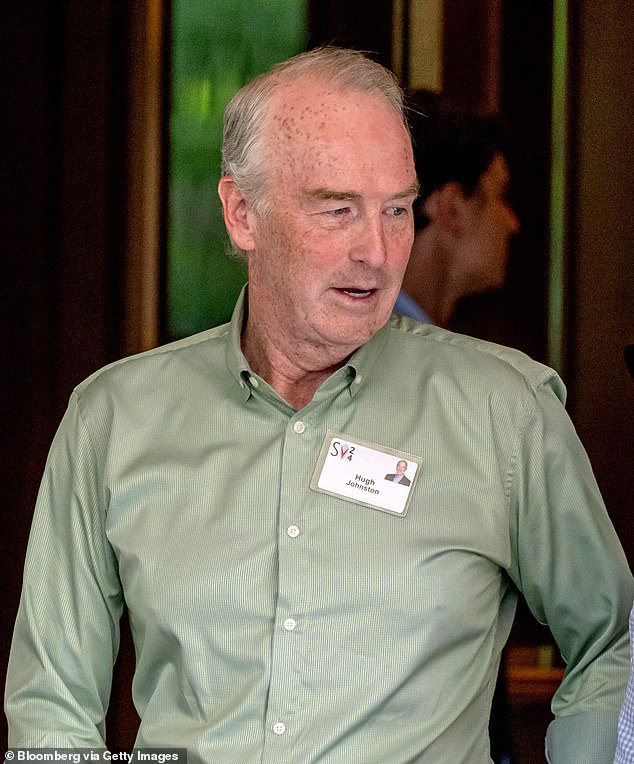
During the call, Disney CFO Hugh F. Johnston stated that the company is "ready to go as long as YouTube TV wants to," according to sports business reporter Joe Pompliano. This statement highlights the ongoing tension between the two companies, as Disney seeks to negotiate a deal that reflects the true value of its content, while YouTube argues that Disney's demands could lead to higher prices and fewer options for customers.
The dispute centers around Disney's networks, including ABC and ESPN, which have been absent from YouTube TV since October 30. In response, YouTube TV has offered a $20 credit to its 10 million subscribers. Despite this gesture, the conflict continues to unfold, with both parties taking strong stances in public statements.
Financial Performance Amidst the Conflict
While Disney faces challenges in cable and at the box office, its streaming business and theme parks have helped offset some of these losses. According to multiple reports, company shares were up 73 cents apiece in the fourth quarter of 2025. This suggests that despite the ongoing issues with YouTube, Disney remains financially resilient.
The situation was further complicated by an internal memo that revealed Disney's willingness to hold out for a better deal with YouTube. The memo, reported by The Athletic, was signed by Disney Entertainment co-chairmen Dana Walden and Alan Bergman, along with ESPN chairman Jimmy Pitaro. It criticized Google's YouTube TV for not engaging in negotiations on a level playing field.
"Rather than compete on a level playing field, Google's YouTube TV has approached these negotiations as if it were the only player in the game," the memo stated. It emphasized that the reason consumers value Disney's programming is due to its investment in top talent, creators, and content. The memo also noted that Disney has offered YouTube TV "fair terms that are in line with the more than 500 other distributors that have renewed their agreements since last summer."
YouTube TV's Response
In response to the memo, a spokesperson for YouTube TV criticized Disney for resorting to tactics like leaking documents to the press and negotiating in public through paid talent. They also accused Disney of misrepresenting the facts regarding the deals they've offered and taking credit for their product proposals.
"Our team stands ready to make a fair agreement in line with their deals with other distributors and we encourage Disney to come to the table and do what's best for our mutual customers," the spokesperson said.
YouTube is the largest internet TV provider in the US with 10 million subscribers. Hulu, owned by Disney, is next, with about half that many subscribers. This dynamic raises questions about the future of content distribution and how major players like Disney and YouTube will navigate their relationships.
The Broader Implications
The ongoing conflict between Disney and YouTube TV has left many wondering about the implications for consumers. With millions of sports fans relying on YouTube TV for access to Disney channels like ESPN, the dispute has created a viewing drought for many. As the battle continues, it remains to be seen whether a resolution can be reached that satisfies both parties and preserves access to valuable content for viewers.