From Nerd to Normal: How Comics Captivated the Masses
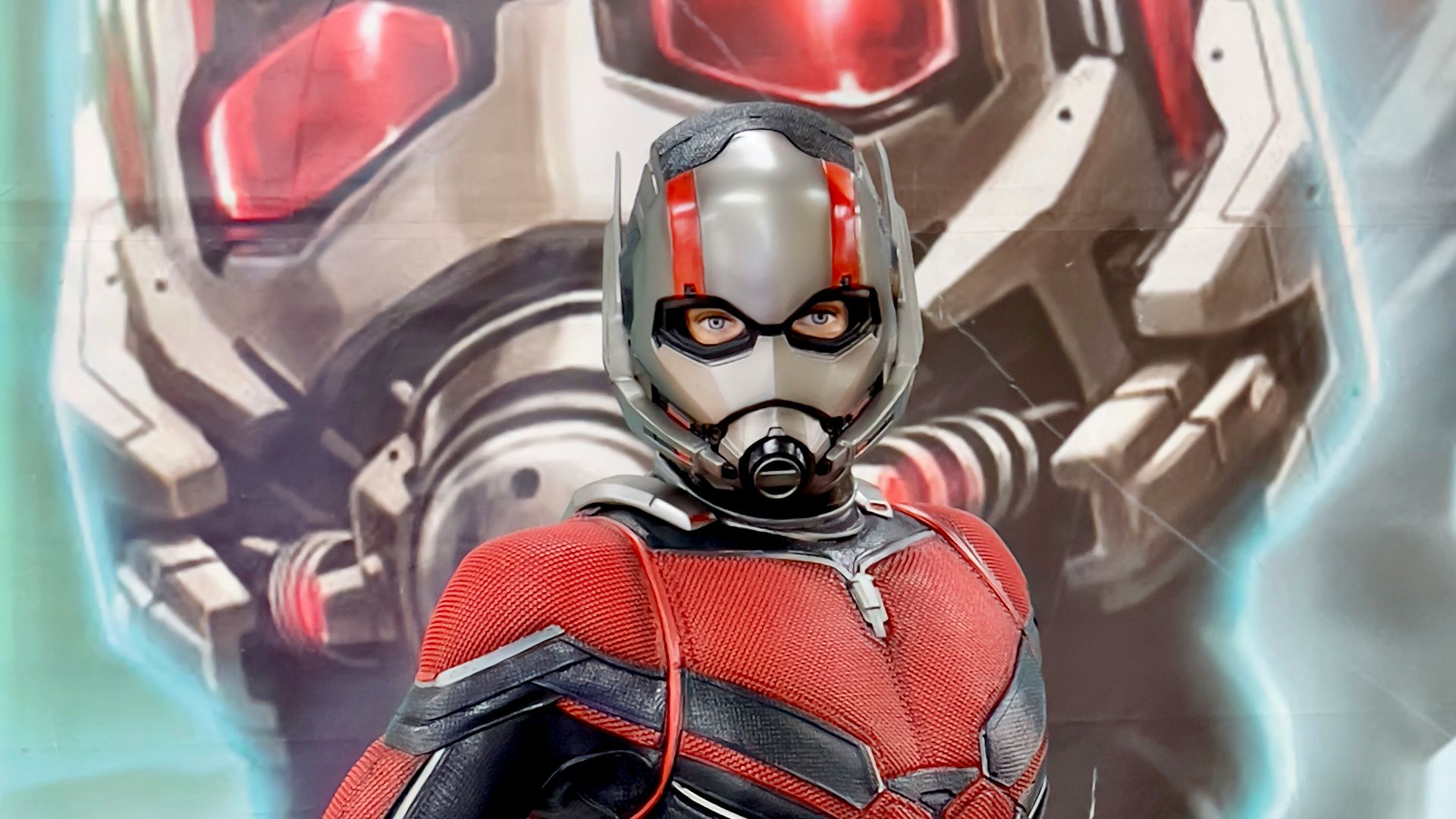
Comic books have undergone a remarkable transformation over the years. Once considered the domain of teenage boys and niche collectors, they have now become one of the most influential storytelling formats in modern culture. In the past, comic books were seen as disposable publications, sold for just a few cents at local newsstands. Today, they have evolved into a multibillion-dollar global industry that impacts blockbuster films, television series, video games, fashion, music, and even political discourse. The industry has given rise to iconic superheroes like Spider-Man, Batman, and Wonder Woman, who have become modern-day myths with international recognition. Additionally, literary works such as Neil Gaiman’s The Sandman and Art Spiegelman’s Pulitzer Prize-winning Maus demonstrate that comics can offer the same depth, emotional resonance, and literary quality as traditional novels.
In the Age of Hollywood
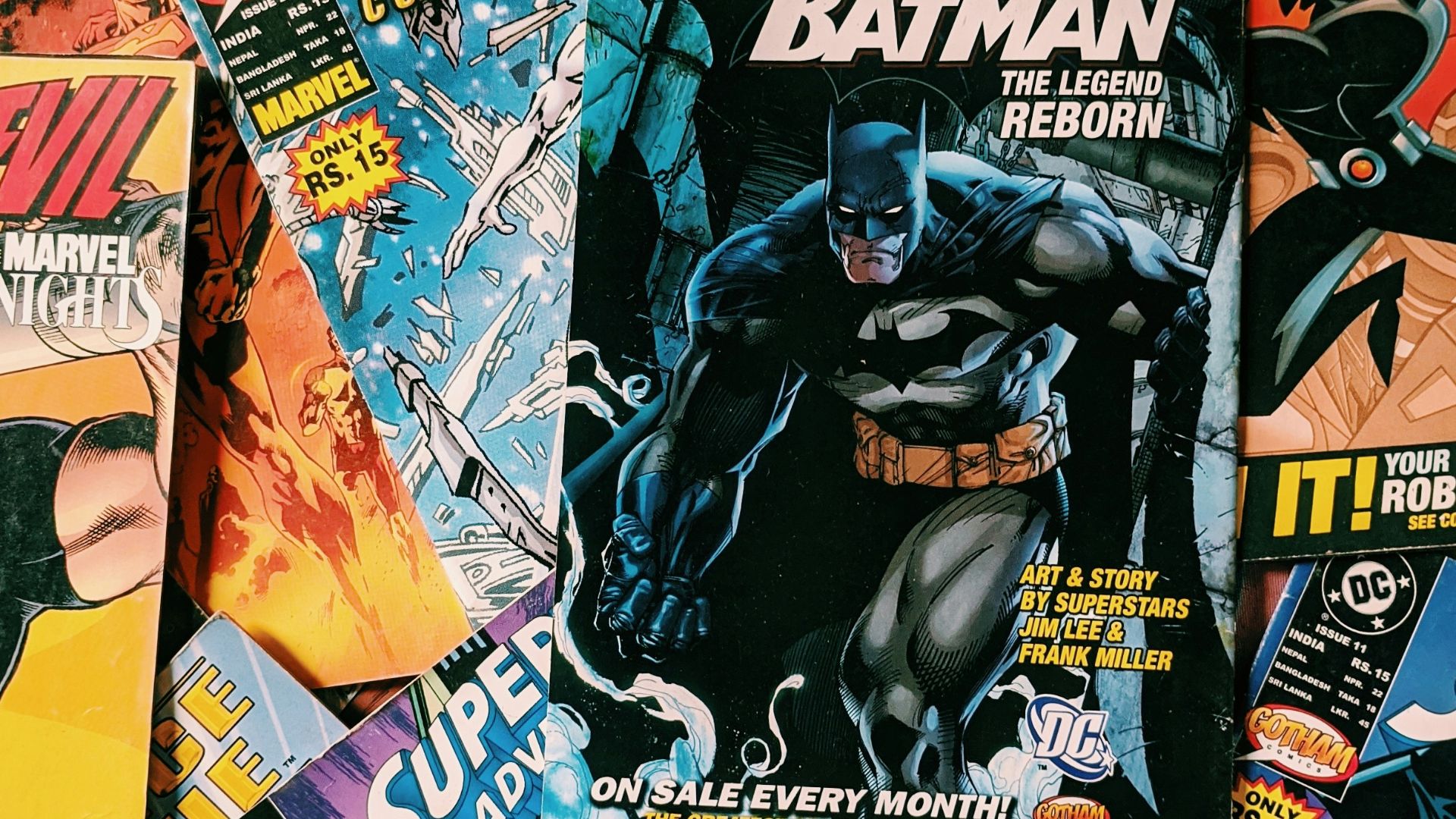
Marvel, DC, and Image Comics are three major players that have significantly shaped the comic book landscape and influenced how these stories transition to film and television. Marvel Studios' journey began with Iron Man in 2008, which marked the start of an era of shared cinematic universes that revolutionized blockbuster filmmaking. Films like Avengers: Endgame and Black Panther not only achieved massive financial success but also became cultural touchstones around the world. Meanwhile, DC Comics has experienced its own reboots and revivals, with the Dark Knight trilogy and the recent The Batman serving as reminders of the enduring appeal of the Caped Crusader. Even Image Comics, a competitor to the "Big Three" and known for its creator-owned titles, has found success with adaptations such as Invincible and The Walking Dead, attracting large audiences across various platforms, including television.
Why We Love Superheroes

Superheroes are more than just entertainment; they are cultural icons that reflect our deepest desires and fears. They embody our yearning for power, justice, and hope in a world that often feels chaotic and unjust. Their popularity stems from their ability to resonate with our need for heroes, especially during times of uncertainty and crisis. People often turn to superheroes for reassurance and inspiration, finding comfort in their stories.
Superheroes are also products of their time. The characters from the Golden Age of comics in the 1930s and 1940s reflected the optimism and patriotism of the United States during World War II. In contrast, the darker and more complex superheroes of the 1960s and 1970s mirrored the social changes and upheavals of the civil rights movement. Today’s superheroes continue to evolve, reflecting the anxieties and challenges of the 21st century, such as environmental disasters and technological dystopias.
The Final Panel
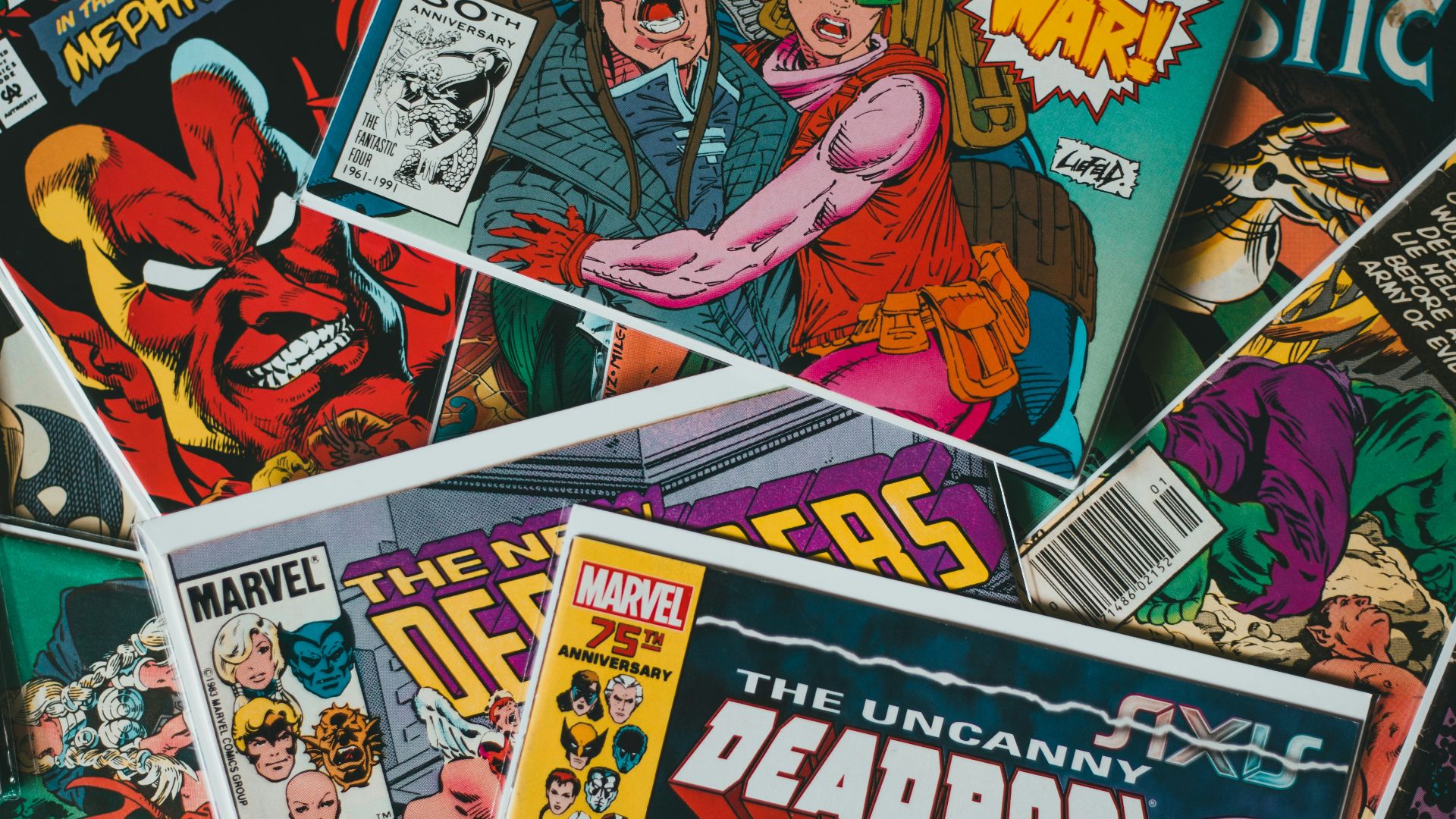
The public's fascination with superheroes goes beyond mere spectacle. These figures tap into a deep-seated human desire for power, justice, and hope. In times of chaos or personal struggle, people project their longing for salvation onto superhero stories, whether it is a desire to escape from corruption, personal inadequacies, or societal issues. Superhero fantasies offer a sense of control, promising the power to do right, to rise above challenges, and to feel significant in an indifferent world.
Comic books have come a long way from the spinner racks of the 1950s. Over the past 70 years, they have transformed from simple entertainment into a global pop culture phenomenon capable of shaping the narratives we tell about ourselves and the world around us. Whether on the page or the screen, superheroes will continue to be symbols of our imagination and identity. They prove that even what was once considered “nerdy” can become mythic when it speaks to the most human aspects of our experiences.
