Gov Warns Against Harming Tourism Revenue With Higher Travel Tax
Travel Industry Warns Against Increasing Air Passenger Duty
As the autumn Budget approaches at the end of this month, key figures in the travel industry are urging the government to avoid increasing the Air Passenger Duty (APD), commonly referred to as the ‘holiday tax’. This call comes amid concerns that the proposed increases could have a significant impact on holiday affordability for families and businesses.
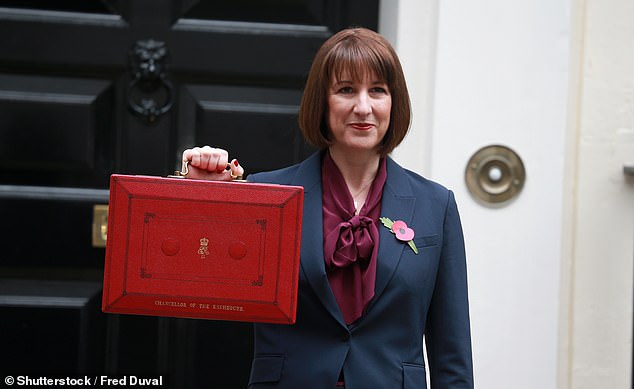
Under the current plans, the levy on air fares is set to rise at a rate much higher than inflation. These hikes were announced by the Chancellor in her Budget last year but will not come into effect until April 2026. However, there is growing worry that further increases might be introduced in the upcoming Budget, scheduled for November 26.
Travel bosses are pushing for the government to consider abolishing last year’s increase to help keep holiday costs manageable for hard-pressed families. The pressure is mounting as industry leaders highlight the potential consequences of additional taxation on the sector.
Industry Leaders Speak Out
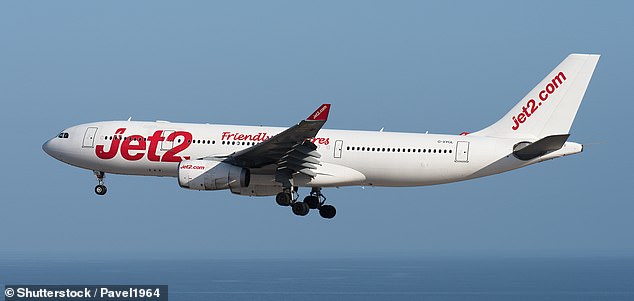
The CEO of Jet2, Steve Heapy, has been vocal in his concerns, warning the government against excessive taxation. He stated, “The government must be careful not to kill the goose that lays the golden egg with excessive taxation.” He emphasized that the travel industry contributes significantly to the economy, paying over half a billion pounds in taxes annually.
He also pointed out that the APD is levied on flights departing from UK airports, meaning it applies to outbound journeys but not inbound. This distinction has raised questions about the fairness of the tax and its impact on the industry.
Impact of Proposed Increases
The proposed increases under next year’s plan would see the APD on short-haul destinations like Spain, Italy, and Greece rise by 15 per cent to £15 per flier. For longer flights to hotspots such as the USA, Dubai, and India, the increase would be 16 per cent to £102. Ultra long-haul destinations like Australia and Thailand would see a 15 per cent increase to £106.
These rates apply only to economy passengers, with Premium Economy and Business Class tickets facing even higher charges. The potential financial burden on travelers is significant, especially for those planning to take advantage of affordable travel options.
Concerns Over Economic Impact
Willie Walsh, a former British Airways boss, has warned that the proposed tax hikes could be a “disaster for Britain.” He joined other airline executives in expressing concerns that the increased taxes could lead to a decline in demand for flights, negatively affecting the economy.
Kenton Jarvis, CEO of easyJet, echoed these sentiments, stating that if APD increases, the company would likely pass the cost onto customers. He added, “My guess is it’ll go down and hit the economy.” Jarvis also mentioned that easyJet could consider moving operations to other locations where taxes are lower, highlighting the potential for a shift in the aviation landscape.
Broader Implications for the Sector
Tim Alderslade, CEO of Airlines UK, which represents major airlines such as Ryanair, Jet2, Virgin Atlantic, and TUI, emphasized the risks associated with further APD increases. He stated that any additional hikes could hinder the growth of the aviation sector, making it more difficult to maintain affordable flights for families, businesses, and international visitors.
The ongoing debate around the APD highlights the delicate balance between generating revenue for the government and ensuring that the travel industry remains viable and accessible for all. As the Budget approaches, the pressure on the government to make informed decisions that support both economic stability and the interests of travelers continues to grow.
