Health Officials Sound Alarm on Deadly Pet Bacteria Causes Deaths and Hospitalizations
Understanding the Outbreak Linked to Bearded Dragons
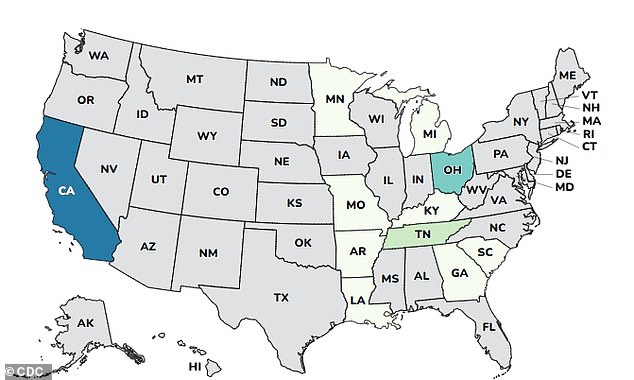
Health officials across the United States are currently investigating a multistate outbreak of Salmonella bacteria, which has been linked to exotic household pets, particularly bearded dragons. As of November 7, 17 individuals have been infected with the bacteria, and the situation has raised significant concerns among public health authorities.
The cases have been reported in 11 states, including California, Arkansas, Louisiana, Missouri, Minnesota, Michigan, Ohio, Kentucky, Tennessee, Georgia, and South Carolina. Among those affected, six individuals have required hospitalization, and one fatality has been recorded.
According to the Centers for Disease Control and Prevention (CDC), bearded dragons and other reptiles can carry Salmonella bacteria in their droppings even when they appear healthy and clean. This means that the germs can easily spread to their skin, habitat, and anything they come into contact with, posing a risk to pet owners who handle them or touch contaminated surfaces before eating or touching their mouths.
The Dangers of Salmonella Infection
The CDC has issued warnings about the potential dangers of handling these reptiles. "Even healthy-looking reptiles can carry Salmonella," the agency stated. "It's important to handle them safely and practice good hygiene to prevent infection."
To reduce the risk of infection, health officials recommend that pet owners wash their hands thoroughly with soap and water after handling their bearded dragon, cleaning its enclosure, or touching anything in its environment.
Salmonella is among the leading causes of foodborne illness in the US, with the CDC estimating that it infects about 1.35 million people every year. This leads to approximately 26,500 hospitalizations and 420 deaths annually.

Symptoms and Risk Factors
Symptoms of Salmonella infection typically appear within eight to 72 hours of exposure and may include diarrhea, stomach cramps, fever, nausea, and vomiting. In some cases, however, no symptoms may appear at all.
Doctors note that the warning signs of the infection generally last a few days to a week, and most patients do not need to see a doctor. However, they warn that infants, young children, pregnant women, and older adults are particularly at risk from salmonella because they have weaker immune systems.
In serious cases, the bacteria can spread from the intestines into the blood and infect other organs, such as the brain, heart, or lungs, which can trigger potentially fatal complications like sepsis. Doctors may attempt to treat the infection using antibiotics in these cases.
Preventive Measures and Recommendations
Children under five years old, adults over 65, and people with weakened immune systems should avoid direct contact with bearded dragons, health officials have warned, as they are more likely to experience severe illness.
Pet owners have also been advised against kissing or snuggling bearded dragons and to keep them out of kitchens and food preparation areas to avoid contaminating household surfaces. The CDC suggests changing clothing after handling the reptiles, especially before holding or feeding infants and young children, who are more vulnerable to severe illness from Salmonella infection.
The CDC further recommends that bearded dragon supplies, including toys, food and water dishes, and habitat accessories, be cleaned outdoors whenever possible. If cleaning indoors is necessary, it should be done in a laundry sink or bathtub, not in kitchen sinks used for food preparation.
Safe Handling Practices
The area should then be thoroughly cleaned and disinfected to prevent bacterial spread. The CDC cautions that reptiles, including bearded dragons, are not recommended for households with young children, older adults, or immunocompromised individuals.
Pet stores are encouraged to educate customers about safe handling practices and provide informational materials to reduce the risk of Salmonella infection. Most people infected with Salmonella experience diarrhea, fever, and stomach cramps beginning 6 hours to 6 days after exposure.
While most recover within a week without treatment, severe cases may require hospitalization, especially among young children, older adults, and people with weakened immune systems.
Reporting and Seeking Medical Attention
Health officials urge anyone who develops symptoms after handling a bearded dragon to contact their healthcare provider and report the illness to their state health department. This helps in tracking the outbreak and implementing effective measures to prevent further infections.
