Heart-stopping instant new Chinese bridge crashes into mountainside
A Bridge Collapse in Sichuan: A Tragic Event Unfolds
A newly constructed bridge in China recently collapsed into a mountainside, causing significant damage and raising concerns about infrastructure safety. The incident occurred on the Hongqi Bridge in Sichuan province, which connects the country's heartland to Tibet. The collapse sent plumes of dust and slabs of concrete into the water below, capturing the attention of people across the nation.
Footage of the partial collapse was widely shared on Chinese social media platforms, showing the moment the bridge gave way and crumbled into the open water. The event took place after authorities had already closed the 2,486ft-long bridge a day prior due to cracks appearing in its structure and nearby slopes and roads. By Tuesday afternoon, conditions on the mountainside worsened significantly, leading to landslides that ultimately caused the bridge to collapse.
Despite the dramatic nature of the incident, there were no reported injuries. However, the collapse has sparked renewed concerns about construction quality and geological surveys, especially given Sichuan province’s history of seismic activity. The area was previously devastated by the 2008 Sichuan earthquake, which claimed nearly 70,000 lives.
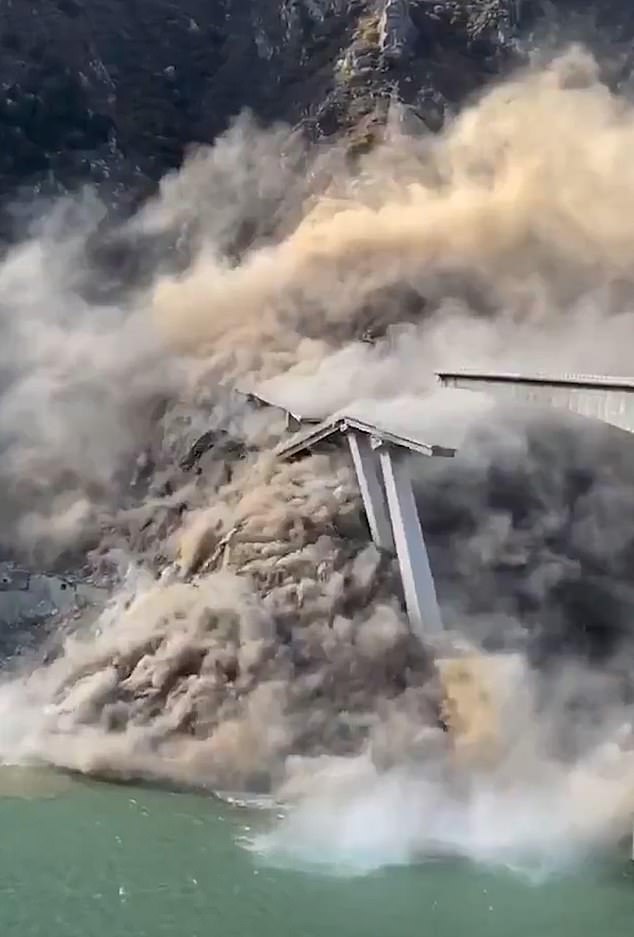
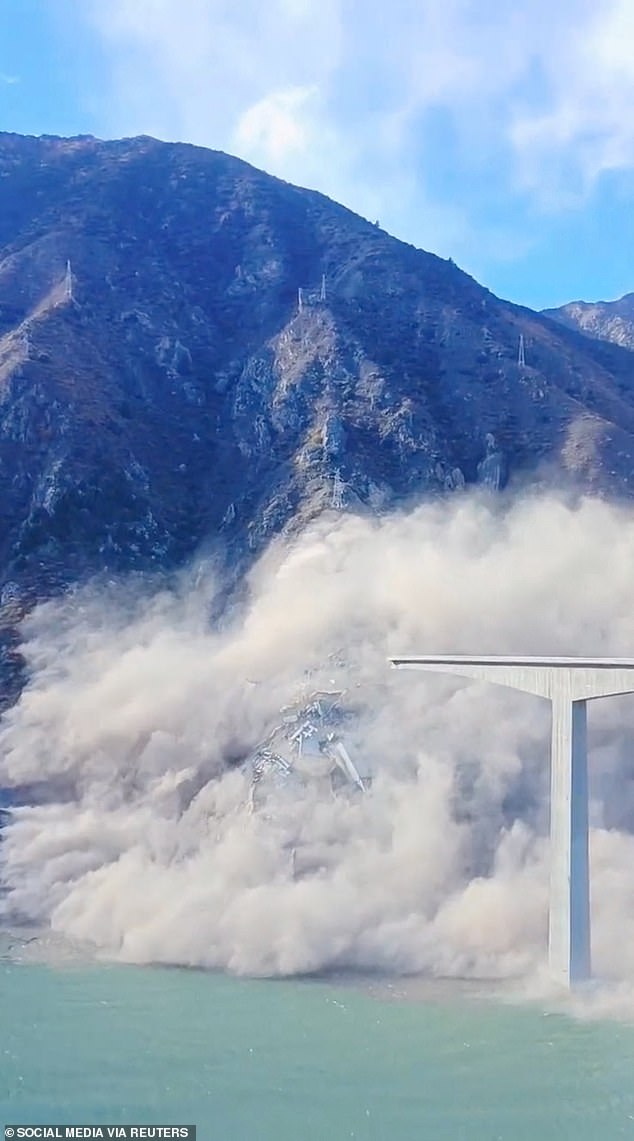
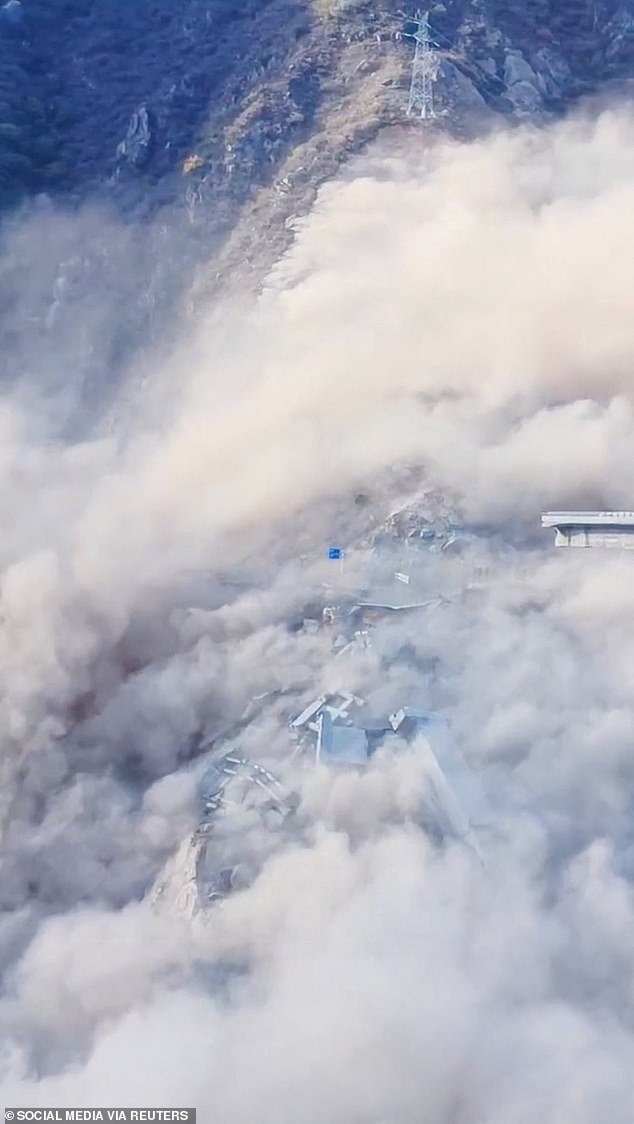
The Hongqi Bridge, completed earlier this year by contractors Sichuan Road and Bridge Group, was part of China’s broader strategy to boost economic growth in poorer mountainous regions. It was intended as a symbol of the country’s infrastructure ambitions. However, the recent collapse has raised questions about whether sufficient precautions were taken during its construction.
This incident follows another major disaster in August when a railway bridge under construction in Qinghai province collapsed, killing at least 12 workers. These events have led to increased scrutiny of China’s infrastructure projects, particularly in geologically volatile areas.
China’s Engineering Marvels: The Huajiang Grand Canyon Bridge
In addition to the tragic events in Sichuan, China has also made headlines for its engineering feats. One such marvel is the Huajiang Grand Canyon Bridge, located in Guizhou province. Standing approximately 2,050ft above the Beipan River, it is the world's tallest bridge. The construction of the bridge took three years and eight months, and it connects major tourist spots in the region.
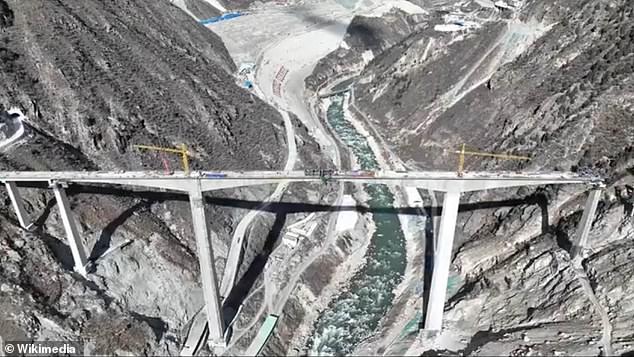
The bridge not only cuts travel time across the canyon from two hours down to just two minutes but also serves as a key driver for tourism and economic growth in the area. One of the highest points of the bridge features a glass coffee shop that stands approximately 2,600ft above the river. Tourists can also take a high-speed elevator to a lookout point to enjoy panoramic views.
However, despite these impressive achievements, China faces increasing scrutiny over its declining quality control and the risks associated with large-scale infrastructure projects in geologically unstable regions.
Ongoing Investigations and Future Steps
Local authorities have attempted to downplay the incident, describing it as an isolated natural event. They have opened a detour route and are conducting an investigation into the collapse. The Sichuan Road and Bridge Group, responsible for constructing the bridge, has stated that there is no timetable for reopening the highway.
As the situation unfolds, questions remain about the safety of similar infrastructure projects in the region. The recent events highlight the importance of rigorous geological surveys and adherence to safety standards in construction, especially in areas prone to seismic activity.
While the collapse of the Hongqi Bridge is a tragic reminder of the challenges involved in building infrastructure in such environments, it also underscores the need for continuous improvement in engineering practices and risk management.
