I Thought I Was Forgetful After Having a Baby... But I Was Diagnosed with Dementia at 46
A Mother’s Journey with Early-Onset Alzheimer’s
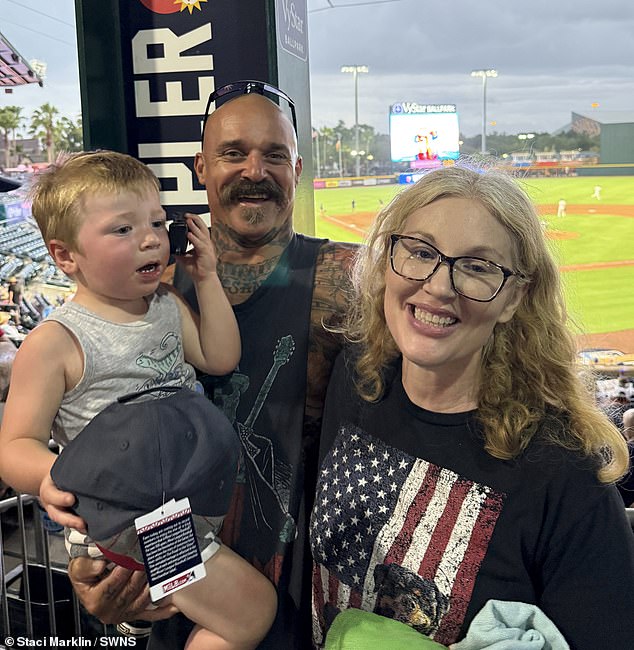
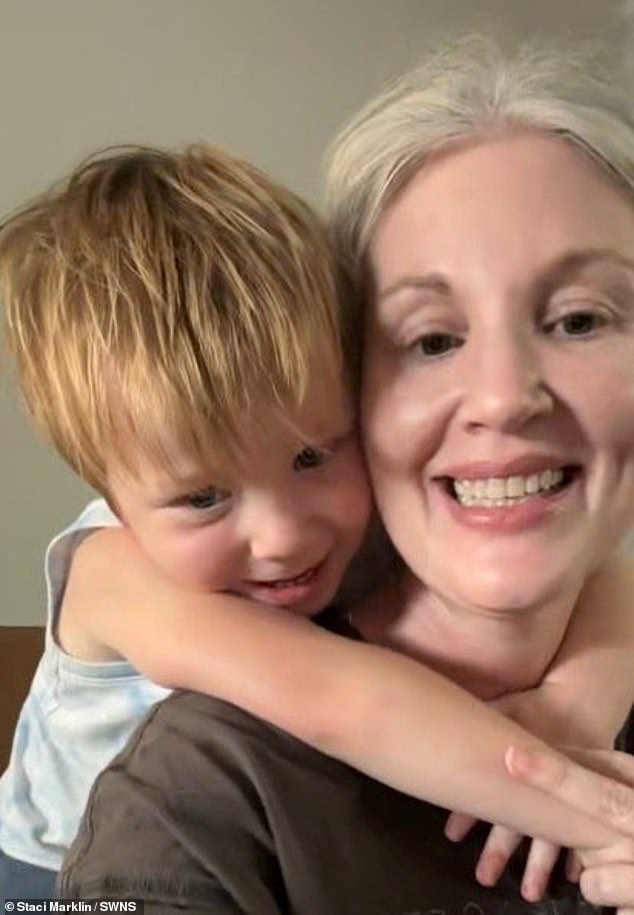
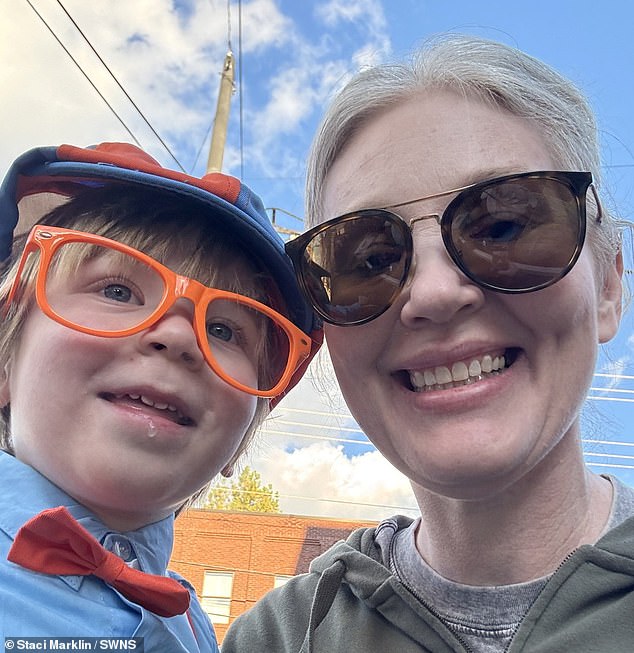
Staci Marklin, a 47-year-old mother of two, never imagined that her struggles with memory and communication would lead to a diagnosis of early-onset Alzheimer’s. The former nurse from Knoxville, Tennessee, initially attributed her forgetfulness to the challenges of motherhood, especially after giving birth to her son, Gunnar. However, as her symptoms worsened, she realized something more serious was at play.
Ms. Marklin described how her memory issues began during her pregnancy and postpartum period. She often found herself struggling to find the right words, such as saying “move the carpet” instead of “move the curtain.” At first, she thought these lapses were simply due to “mum brain,” a common experience for new mothers. But as time passed, the symptoms became more pronounced, leading her to seek medical advice.
Her family history played a significant role in her concerns. Her grandmother had suffered from Alzheimer’s, which prompted Ms. Marklin to consult her doctor. However, the doctor dismissed her fears, stating that it was unlikely she had the disease at her age. This lack of immediate concern made it harder for her to take her symptoms seriously.
Over the next few years, Ms. Marklin experienced increasing difficulty in recalling information and maintaining focus. She mentioned forgetting her son’s birthday frequently and struggling with even simple tasks. These challenges eventually impacted her professional life, as she found it hard to remember colleagues and details about their work.
Despite undergoing various tests, including MRIs, EEGs, and blood tests, the results were initially normal. It wasn’t until further testing revealed high blood markers associated with Alzheimer’s that she received a definitive diagnosis. An amyloid PET scan confirmed the presence of amyloid plaques in her brain, marking her official diagnosis of early-onset Alzheimer’s in October 2024.
The impact of this diagnosis on Ms. Marklin and her family was profound. Her cognitive function level fell within the bottom 10% for her age group, a shocking realization that left her and her husband in tears. The stigma surrounding Alzheimer’s, often seen as an illness affecting older individuals, made it difficult for her to gain recognition and support for her condition.
To cope with the challenges ahead, Ms. Marklin has taken proactive steps. She has started creating videos on TikTok for her son and family, hoping to preserve memories for future generations. Additionally, she has begun a new treatment called lecanemab, sold under the brand name Leqembi. This intravenous therapy is designed to remove harmful plaques in the brain caused by the amyloid protein.
While the treatment is available in the US, it is not covered by the NHS in the UK, though it can be accessed privately. Although it is too early to determine its effectiveness for Ms. Marklin, the side effects have been decreasing with each course. She remains hopeful that this treatment will help slow the progression of her condition.
Navigating life after her diagnosis, Ms. Marklin tries to stay positive and grateful for the time she has with her family. She focuses on creating meaningful memories for her son, knowing that one day he may grow up without her. Her journey highlights the importance of early detection and the need for greater awareness and support for those affected by Alzheimer’s.