Iceland in Peril as Ocean Current Falters: Nation Warns of Existential Crisis
Iceland's Response to the Threat of AMOC Collapse
Iceland has officially identified the potential collapse of a major ocean current system in the Atlantic Ocean as an existential threat, prompting the country to begin planning for worst-case scenarios. This move highlights the growing concern among scientists and policymakers about the stability of the Atlantic Meridional Overturning Circulation (AMOC), a critical component of Earth's climate system.
Understanding the AMOC
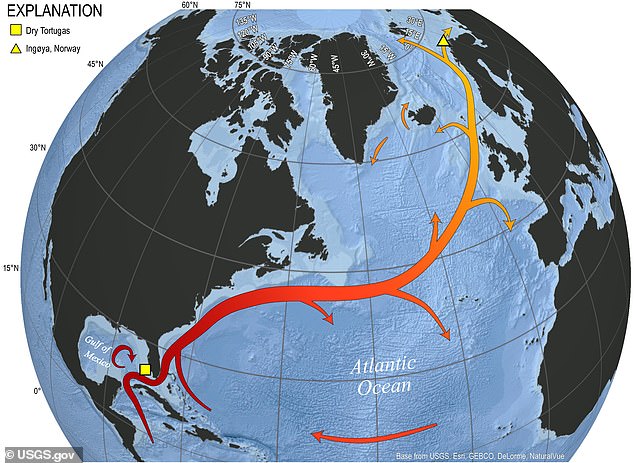
The AMOC is often described as a giant ocean conveyor belt that transports warm water from the tropics to the northern Atlantic. The Gulf Stream plays a key role in this process, carrying warm water along the US East Coast toward the north. This circulation helps maintain milder winters in regions like northwestern Europe and the northeastern United States, while also influencing global weather patterns, including tropical rainfall.
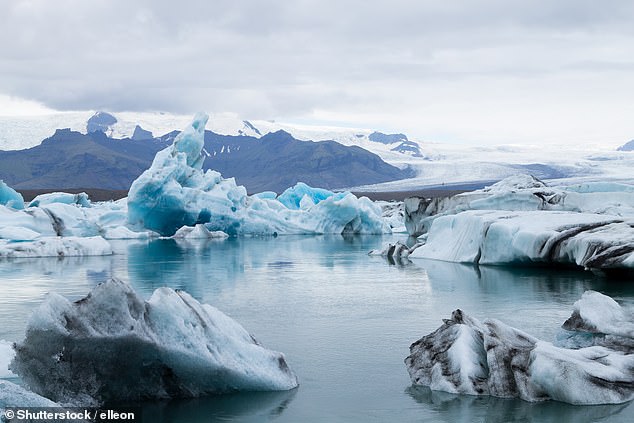
However, rising global temperatures are accelerating the melting of Arctic ice and causing increased meltwater from Greenland’s ice sheet to flow into the ocean. Scientists warn that this influx of cold freshwater could disrupt the AMOC's flow, potentially leading to severe consequences.
Potential Consequences of AMOC Collapse
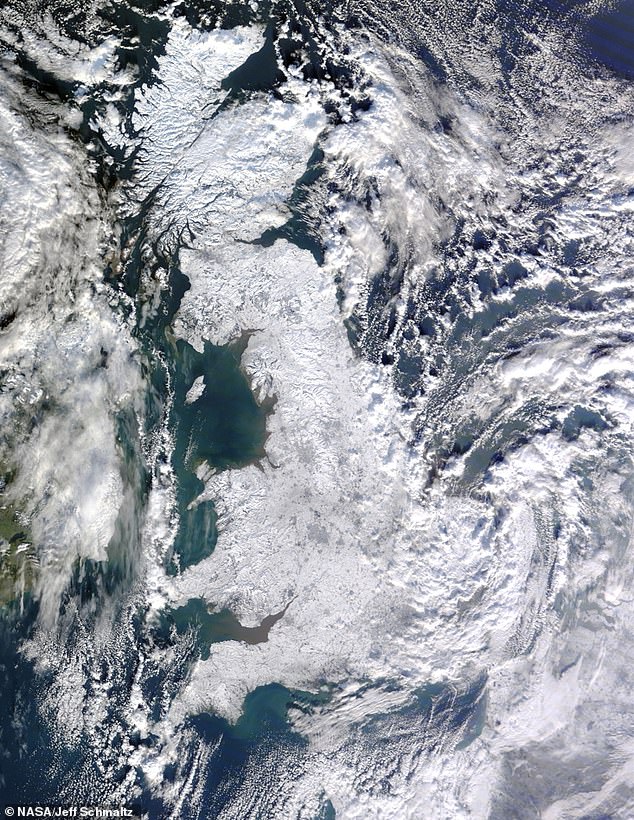
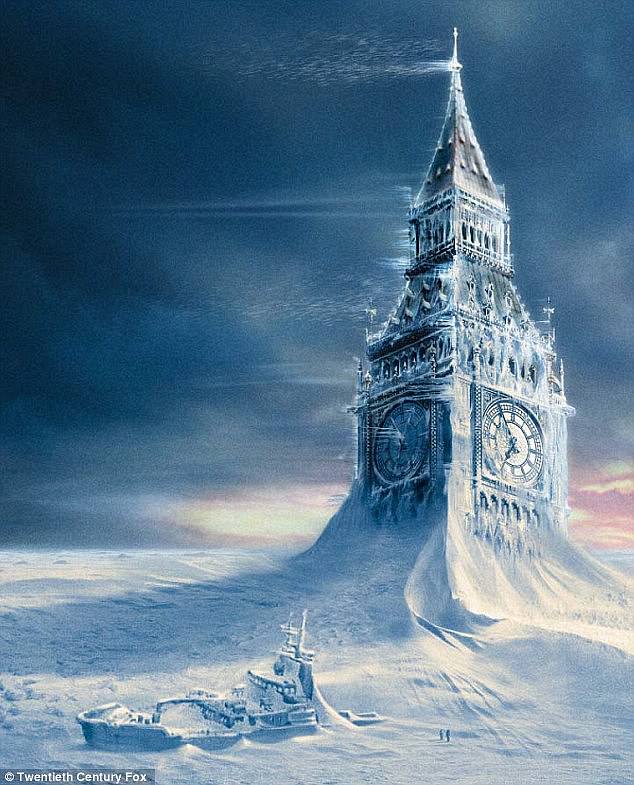
A collapse of the AMOC could trigger a modern-day ice age, with winter temperatures across Northern Europe plummeting to extreme levels, bringing more snow and ice. Historical evidence suggests that the AMOC has collapsed before, notably before the last Ice Age that ended around 12,000 years ago.
Iceland’s Climate Minister, Johann Pall Johannsson, emphasized the urgency of the situation, stating that it is a direct threat to national resilience and security. He noted that this is the first time a specific climate-related phenomenon has been formally brought before the National Security Council as a potential existential threat.
Coordinating a Response
Elevating the issue means that Iceland’s ministries will be on high alert, coordinating a response to potential impacts. The government is currently assessing what further research and policies are needed, with work underway on a disaster preparedness policy. Risks being evaluated span various areas, including energy and food security, infrastructure, and international transportation.
The impact of an AMOC collapse would not be limited to Northern Europe. It could destabilize long-standing rainfall patterns relied upon by subsistence farmers in Africa, India, and South America. Additionally, it could contribute to faster warming in Antarctica, where sea ice and ice sheets are already under threat from climate change.
Global Concerns and Research Efforts
Scientists have warned that the world may be underestimating the threat of an AMOC collapse, which could become inevitable within the next few decades as global temperatures continue to rise. In response, the Nordic Council of Ministers funded a 'Nordic Tipping Week' workshop in October, bringing together 60 experts to assess how societies might be impacted.
Aleksi Nummelin, a physical oceanographer at the Finnish Meteorological Institute, highlighted the need for more research on societal impacts, noting that while there is extensive research on the likelihood of events, less is known about their actual effects.
International Responses
On Monday, scientists from over 30 universities and international organizations raised concerns about the accelerated thawing of Earth's glaciers, ice sheets, and other frozen spaces. Other climate ministries and meteorological offices across Northern Europe are funding more research while evaluating possible risks in their climate adaptation plans.
In Ireland, the weather service has briefed the prime minister and a parliamentary committee on the issue. Norway’s environment ministry is seeking to deepen its understanding of the issue through new research before determining whether to classify AMOC as a security risk. Meanwhile, Britain has stated that it is following scientific reports suggesting an abrupt collapse is unlikely during this century but has allocated over £81 million into research to understand when Earth's climate systems might reach a point of no return.
The Urgency of Action
Stefan Rahmstorf, an oceanographer and climatologist from Germany’s Potsdam Institute for Climate Impact Research, emphasized the rapid evolution of climate science and the urgency of action. “The science is evolving quite rapidly and time is running out to do anything about it because the tipping point may well be quite close,” he said.
Iceland is taking no chances, as the pace of warming accelerates and greenhouse gas emissions continue to rise. Johannsson warned that sea ice could affect marine transport, while extreme weather could severely impact agriculture and fisheries—key components of Iceland’s economy and food systems.
“We cannot afford to wait for definitive, long-term research before acting,” he said.
How Does Global Warming Affect Global Currents?
Scientists believe that melting glaciers could lead to the collapse of the AMOC, a system of ocean currents that acts as the "conveyor belt" of the ocean. This system transports warm water near the ocean's surface northward—from the tropics up to the northern hemisphere.
When the warm water reaches the North Atlantic, it releases heat and then freezes. As ice forms, salt is left behind in the ocean water, making it denser and causing it to sink. This dense water is carried southward in the depths below and eventually rises again through a process called upwelling, completing the cycle.
Scientists suggest that without the AMOC, large parts of Europe could face a deep freeze. Prior studies have shown that due to climate change, the AMOC is weakening, with the engine of this conveyor belt located off the coast of Greenland, where melting ice adds more freshwater to the North Atlantic, slowing down the entire system.
