I'd Seen It All – Until a Child Spoke of Chemtrails
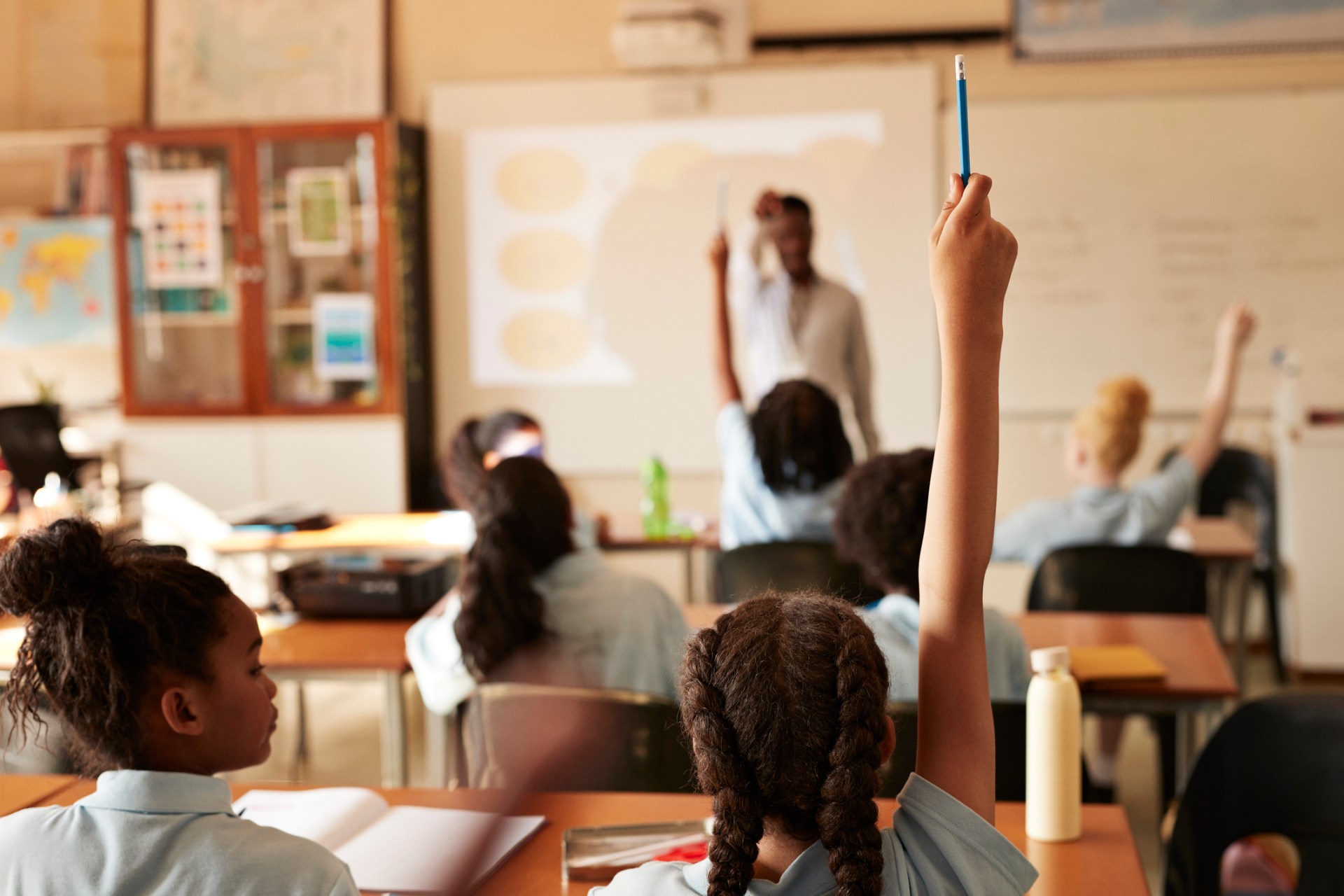
As a secondary school teacher, I have witnessed firsthand the alarming spread of misinformation among students. One memory that stands out is from a sunny school field on sports day a few years ago when a student claimed that aeroplanes were spreading 'chemtrails'. This was shocking, especially since the student was bright, articulate, and high-achieving. It raised questions about how such online conspiracy theories could be so easily accepted as truth.
The issue of misinformation is one of the most pressing challenges in today's educational landscape. I've encountered students who regurgitate misogynistic terms popularized by influencers like Andrew Tate. They use derogatory language to refer to girls or even idolize Tate’s ideas about what it means to be a 'high value man'. There are also students who question whether the Queen died or if the Covid vaccine is a chip implanted to spy on people.
A BBC Bitesize survey in September found that half of 13-18 year olds had been exposed to conspiracy theories online. In many schools, staff are dealing with deepfake videos of both teachers and children being circulated, sometimes leading to serious consequences. I’ve heard of colleagues being provisionally suspended due to accusations based on deepfake videos.
Social media algorithms often feed students content that is extreme and inaccurate, such as hard-right conspiracies about foreigners taking over Britain. During a recent lesson on race riots, I was surprised to find that some students, who themselves come from migrant backgrounds, believed that the government houses anyone arriving in the UK in luxury five-star hotels.
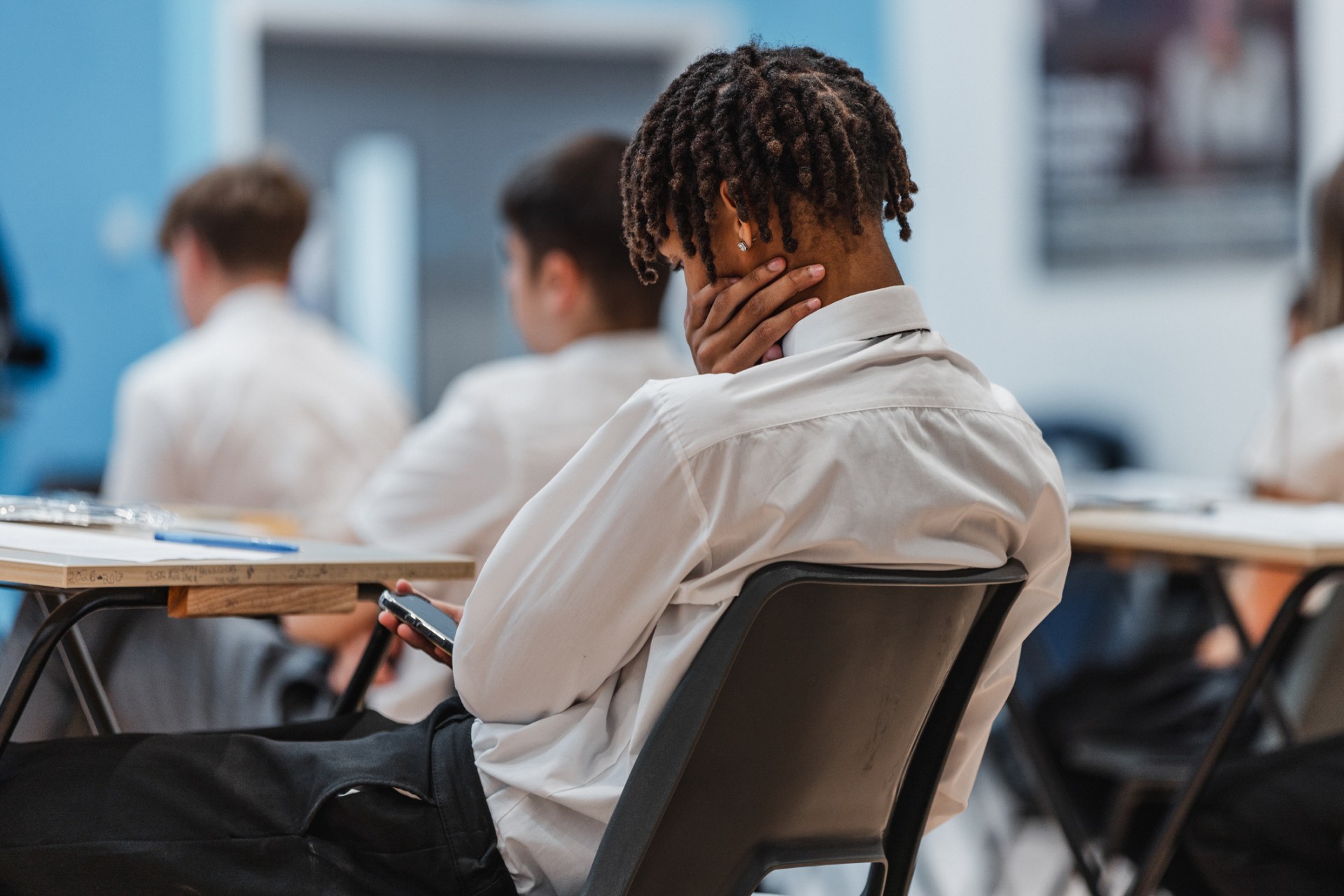
When children receive misinformation from their smartphones, which they trust the most, it can feel nearly impossible to challenge. They also take information from adults around them, who can be vulnerable to misinformation too. However, in educational settings, we can try to address this at the source.
I remember a time after lockdown when I was accused of being a 'government plant' by a student because I confirmed that Covid was real and dangerous. No matter how strong the relationships we build with students are, many still see adults as part of a broader effort to make them accept the status quo, while viewing their phones as a source of objective truth.
This is why I was encouraged to learn that the government plans to integrate education on misinformation, fake news, and artificial intelligence into the national curriculum in England. It is vital that we train the next generation to actively recognize fake news and equip them with the skills to seek out impartial and trustworthy information.
As a society, we are becoming more reliant on technology, and AI is increasingly a part of our lives. Many young people view AI as the ultimate arbiter of truth. Therefore, it is critical that we teach children how to use it safely and effectively – and crucially, to be able to recognize its flaws.
I have already seen the need for this. It is common now for students to trust ChatGPT implicitly, even on topics it cannot know, such as what might appear in an exam. The consequences of this are obvious.
Rather than trying to peel them away from the devices they live their lives on, I believe it is imperative that we teach children how to make technology complement other irreplaceable aspects of life, such as human interaction or the experience and wisdom of parents and teachers.
While I welcome the introduction of misinformation lessons in the curriculum, I wonder how an already overstretched and underfunded education system will cope with these new demands. My colleagues and I barely have time to get through the contents of exam specifications by year 11, let alone find opportunities to train children on spotting fake news.
These changes are necessary but must be fully-funded and part of wider education reforms, such as better incentives to retain teachers, if they are going to be effective. Otherwise, they will become another tickbox exercise, relegated to five minutes a week as we rush through everything else.
There is simply no other time in the day. If the government is really serious about this change, rather than grabbing headlines with a shiny new policy, these sweeping reforms must come with the resources and tools to enable schools to do them justice.
We owe it to the next generation. Do you have a story you'd like to share? Get in touch by emailing Ross.Mccafferty@.co.uk.